 EasyTicket
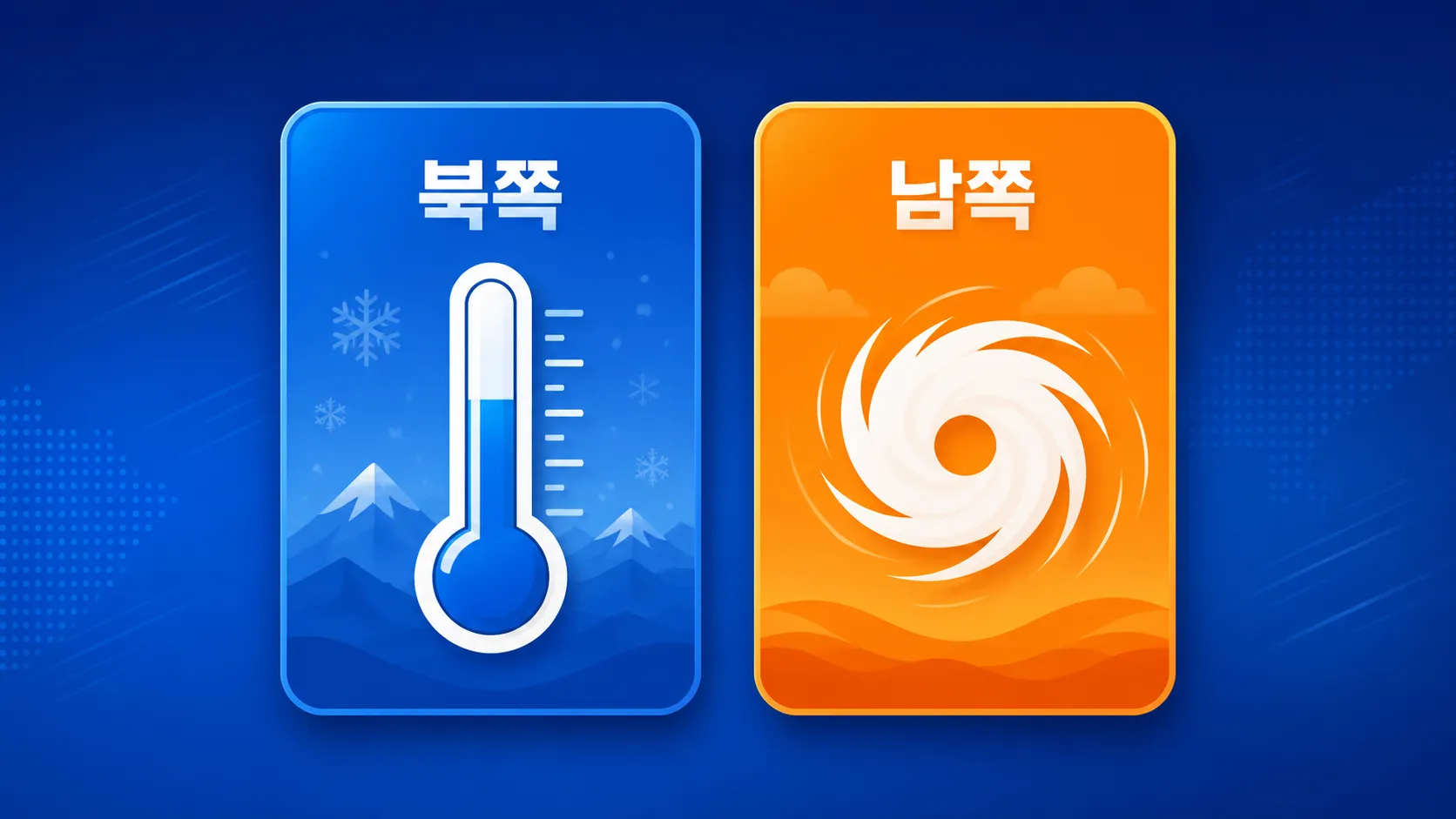
 For a September trip to Japan, plan around the north—Sapporo and similar destinations—if you want to avoid lingering summer heat, or the south—Tokyo and Fukuoka, for example—if cities and food come first. September also brings typhoon risk, so flexible plans matter more the farther south you go.
September Travel in Japan: Compare the North and South at a Glance
While planning, you may wonder, “Isn’t September fall?” But the weather service’s climate normals show that conditions can feel quite different by region. The typhoon approach figures below are September climate normals for 1991~2020, counting the number of times a typhoon’s center came within 300 km of an observation station in the relevant area.
| Region / Representative city | September average temperature | September average high | September typhoon approaches (normal) | Planning takeaway |
|---|---|---|---|---|
| Hokkaido · Sapporo | 18.6°C | 22.8°C | 0.7 times | Prioritize avoiding the heat |
| Kanto · Tokyo | 23.3°C | 27.5°C | 0.8 times | Pair with indoor city activities |
| Northern Kyushu · Fukuoka | 24.7°C | 28.6°C | 1.1 times | Shorten midday travel |
| Okinawa · Naha | 27.9°C | 30.6°C | 1.9 times | Flexible bookings essential |
If avoiding lingering summer heat is your top priority, choose the north
Sapporo’s average September high is 22.8°C, 7.8°C lower than Naha’s. If you’re planning a September trip to Japan with lots of walking, Hokkaido is worth considering first.
Typhoon season is a shared factor
For Japan as a whole, the September climate normals are 5.0 typhoons forming, 3.3 approaching Japan, and 1.0 making landfall. These aren’t the odds for your specific travel dates, but they are a reason not to lock in your itinerary—especially for trips farther south. (Source: Japan Meteorological Agency)
Suggested Sapporo Itinerary for Escaping Lingering Summer Heat
Split a 2-night, 3-day trip between city and outdoor plans
If you choose Sapporo, keep day one focused on an indoor meal and getting around downtown after arrival; plan outdoor activities between 09:00 and 16:00 on day two; and leave day three for an easy-to-change city itinerary in case the weather turns. The average low is also 14.8°C, so pack a light layer.
Keep just one outdoor day fixed
Even if you choose the north for a September trip to Japan, the normal number of typhoon approaches isn’t zero. Make weather-sensitive plans, such as an observation deck visit or a nearby walk, the one key day, and keep the other day as a replaceable option.
Split Southern Plans into Two Activity Windows
Leave midday open in Tokyo and Fukuoka
Tokyo’s average high is 27.5°C, and Fukuoka’s is 28.6°C. Schedule street walks and sightseeing in the morning and after 17:00; from 11:00~16:00, an indoor route built around shopping, exhibitions, and meals will leave you less tired.
Keep Okinawa’s Sea Plans Flexible First
Naha’s average high is 30.6°C, with a September normal of 1.9 typhoon approaches. It’s safer to confirm marine activities after arrival, once you’ve checked the latest forecast. If the sea is the main focus of your trip, switching your September Japan destination to the north is also a reasonable option.
How to Prepare for Typhoons and a Japan Trip
Check the Forecast Starting Five Days Before Departure
The Japan Meteorological Agency issues 24-hour typhoon forecasts every three hours and 120-hour forecasts every six hours. Starting five days before departure, keep your flights, accommodation, and outdoor bookings together on one screen and check for changes.
Pre-booking Checklist
The key to a September trip to Japan is “a setup that keeps the whole trip from grinding to a halt even if a typhoon arrives.” It’s best to check date-change terms for flights and accommodation before choosing them.
- Check the date-change and refund terms for your flights and accommodation before paying.
- For outdoor bookings, prioritize options that allow cancellation or changes up to one day in advance.
- Check typhoon updates, warnings, and advisories both before departure and after arriving locally.
- Make a waterproof pouch your first priority, ahead of a power bank and umbrella.
Northern Travel Food Recommendations
Try Ramen and Genghis Khan in Sapporo
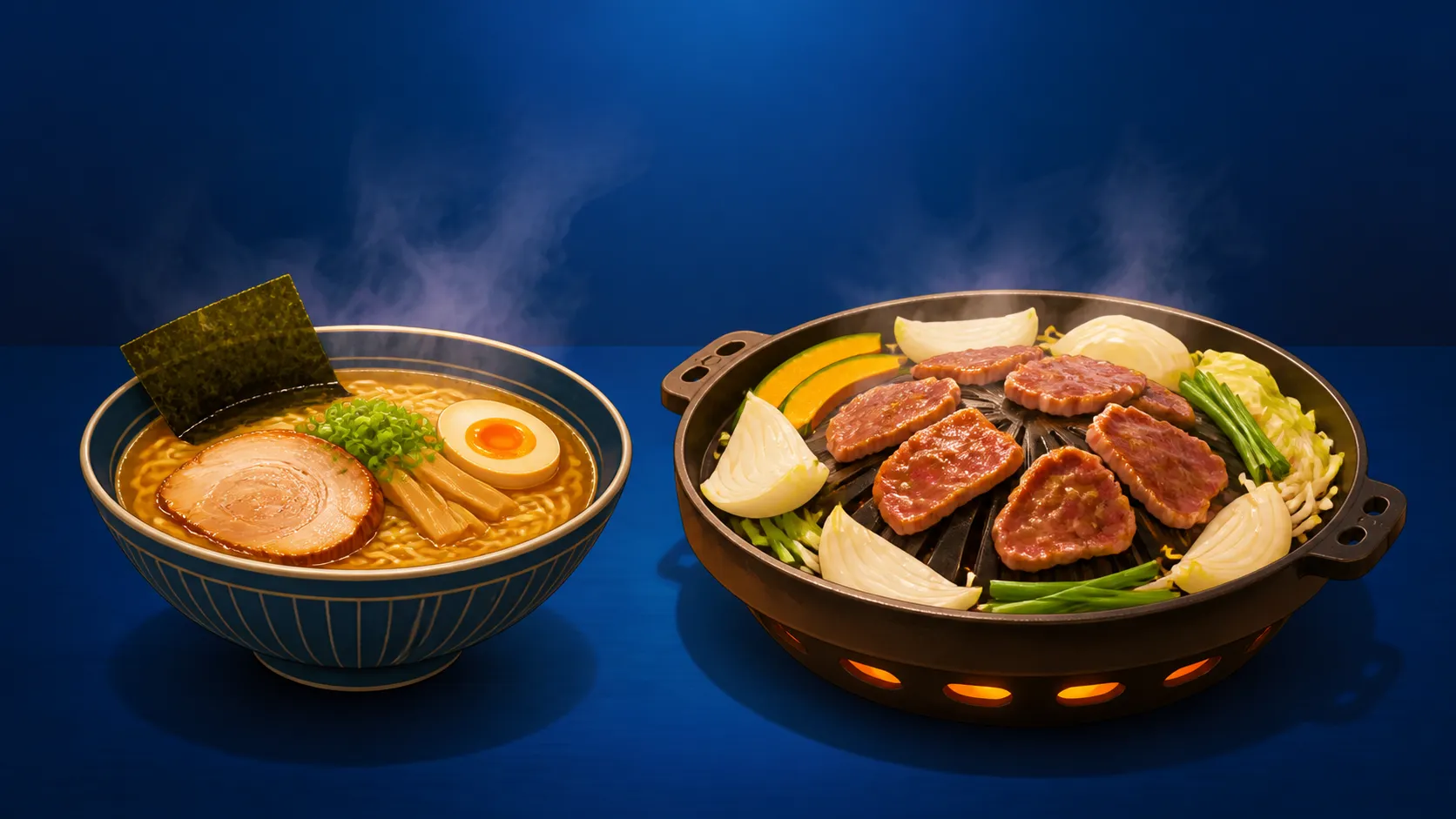
Hokkaido’s official tourism guide introduces ramen and Genghis Khan as signature local foods. If you pick Sapporo to escape the heat, assigning ramen to lunch and Genghis Khan to dinner can save time searching for restaurants.
Give Yourself Longer Meal Windows on Rainy Days
On days with heavy rain, bundle your city plans around restaurants you can reserve instead of forcing yourself to pack in more attractions. Recheck opening days and reservation availability for your restaurant options just before departure.
September Japan Travel FAQ
Is Okinawa Cool in Mid-September?
Naha’s average September high is 30.6°C. Compared with Sapporo’s 22.8°C, you’ll need clothing and plans closer to a summer trip than a resort holiday.
Do I Need to Cancel Immediately If My Destination Is Inside the Typhoon Forecast Cone?
A forecast cone indicates the range where the typhoon’s center could potentially pass. First check whether airlines, transport providers, and accommodations have issued actual service notices, then decide whether to change your plans based on warnings and local conditions.
If I Moved My Japan Trip for Korea’s Liberation Day Holiday to September, Can I Pack the Same Clothes?
Not necessarily. Sapporo can drop to an average low of 14.8°C, while Naha’s average low is 25.8°C. Adjust the balance between short sleeves and a light outer layer by destination.
Bottom Line: Flexibility Matters More Than the Destination
Choose the North If Avoiding Heat Comes First
If walking and cooler weather are your priorities, the north—where average highs are lower, as in Sapporo—will suit you well. For Tokyo, Fukuoka, and Okinawa, secure indoor time and backup plans first.
One Last Check Before You Book
September travel in Japan gets much easier when you choose your region from the temperature table and adjust each day’s route around the typhoon forecast. Once you’ve set the trip length and departure city, compare the change terms before booking.