EasyTicket
 Japanese Covered Bridge
📍 Vietnam Hoi An 민안
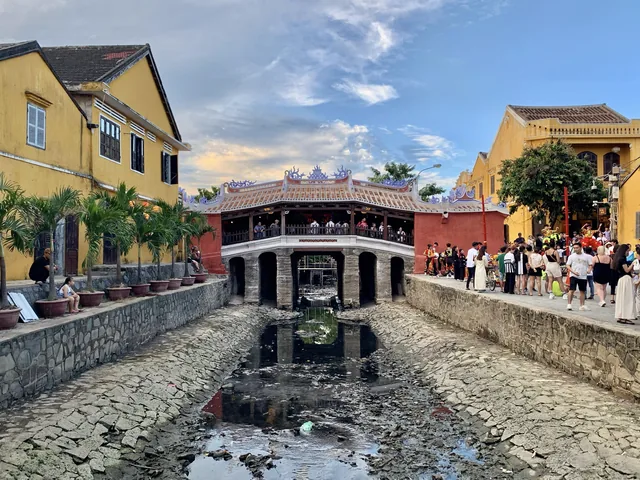
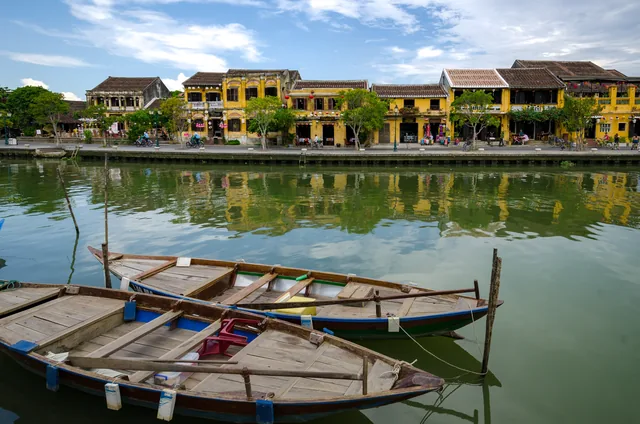
The Japanese Covered Bridge in Minh An, Hoi An, is a symbol of Hoi An Ancient Town, where you can see a roofed wooden bridge crossing a small stream together with its shrine.
It's a good place to add when planning a Hoi An itinerary in Vietnam. Operating conditions can vary by season, so it's safer to check official guidance before visiting.
Visitor information
| Hours | See the official information. |
|---|---|
| Admission | See the official information. |
| Address | Tran Phu Street, Minh An, Hoi An |
| Getting there | Visit on foot while strolling through the center of the Ancient Town; it's nice to see with the lantern streets at night |
Opening hours and prices may change. Please check the official channel before visiting when an item says to check the official notice.
Useful tips
- It can be hot and crowded at midday, so visiting in the morning or late afternoon is more comfortable.
- Inside the Ancient Town, walking is the default; nearby out-of-town spots are more stable to handle separately by car tour.
- When mapping out a walk through Hoi An Ancient Town, the Japanese Covered Bridge is described in official materials as a cultural symbol of Hoi An, so it feels natural to do more than just take a photo and move on. Take a quick look toward the surrounding shops and the stream as well.
- The area around the bridge overlaps with the core Ancient Town route, so you may have to wait for photos when groups are moving through. Ticket coverage and restoration or access-control notices can vary by period, so check the official notice.
Frequently asked questions
What kind of heritage is the Japanese Covered Bridge?
Hoi An Center for Cultural Heritage Management and Preservation materials explain that the Japanese Covered Bridge was built by the Japanese in the early 17th century and has become a cultural symbol of Hoi An Ancient Town.