 EasyTicket
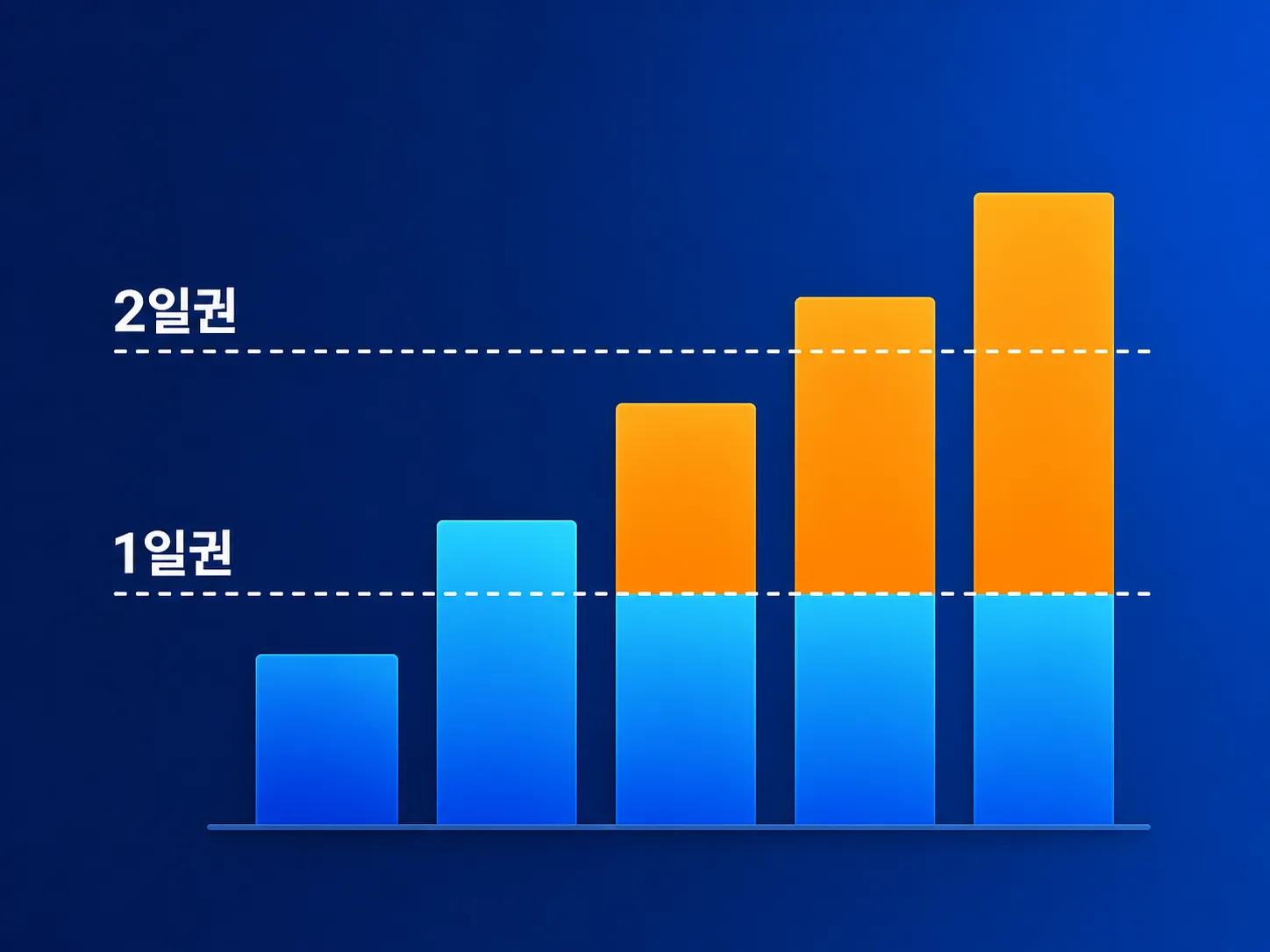
 Let’s start with the bottom line. The Osaka Amazing Pass 1-Day Pass costs 3,500 yen, and visiting just two spots — the Umeda Sky Building’s Floating Garden Observatory (2,000 yen) and Tsutenkaku (1,500 yen) — already breaks even. Everything on top of that — unlimited trains and buses — is pure profit. If this is your first trip to Osaka, the order of operations is to figure out “how many places do I need to visit to come out ahead” first, then build your route around that.
Osaka Amazing Pass Pricing and the Break-Even Point
The pass comes in a 1-Day Pass for 3,500 yen and a 2-Day Pass for 5,000 yen. The Itami Airport version costs a bit more — 3,800 yen for one day and 5,400 yen for two — but in exchange it also unlocks the Osaka Monorail and the Kita-Osaka Kyuko Railway section (Source: Osaka Amazing Pass official site).
Line up the regular admission fees for the major facilities and the break-even point becomes clear.
| Facility | Regular fee | Running total |
|---|---|---|
| Umeda Sky Building Floating Garden Observatory | 2,000 yen | 2,000 yen |
| Santa Maria Day Cruise | 1,800 yen | 3,800 yen |
| Tsutenkaku | 1,500 yen | 5,300 yen |
| Osaka Castle Main Tower | 1,200 yen | 6,500 yen |
| HEP FIVE Ferris Wheel | 1,000 yen | 7,500 yen |
The break-even point is two spots for the 1-Day Pass (3,500 yen) and three spots for the 2-Day Pass (5,000 yen). Visit all five places above and you’ll have used 7,500 yen worth of admission — leaving 2,500 yen in your favor on the 2-Day Pass, with all the transit thrown in for free on top.
A 3-Night, 4-Day Route: Stack the Pass into the Middle Two Days
On a 3-night, 4-day trip, the first day is largely eaten up by arrival and getting settled, and the last day by checkout and the airport. That’s why pairing the 2-Day Pass with day 2 and day 3 works best. This tends to be the trickiest part of planning an itinerary, since the 2-Day Pass is only valid for two consecutive days — there’s no option to use it every other day.
Day 1 — Dotonbori, No Pass Yet
After checking into your hotel, spend the day covering the walkable stretch of Dotonbori and Namba. You’ll only ride the subway a few stops this day, so there’s no reason to activate the pass yet.

Day 2 — Activate the Pass: Osaka Castle and the Harbor
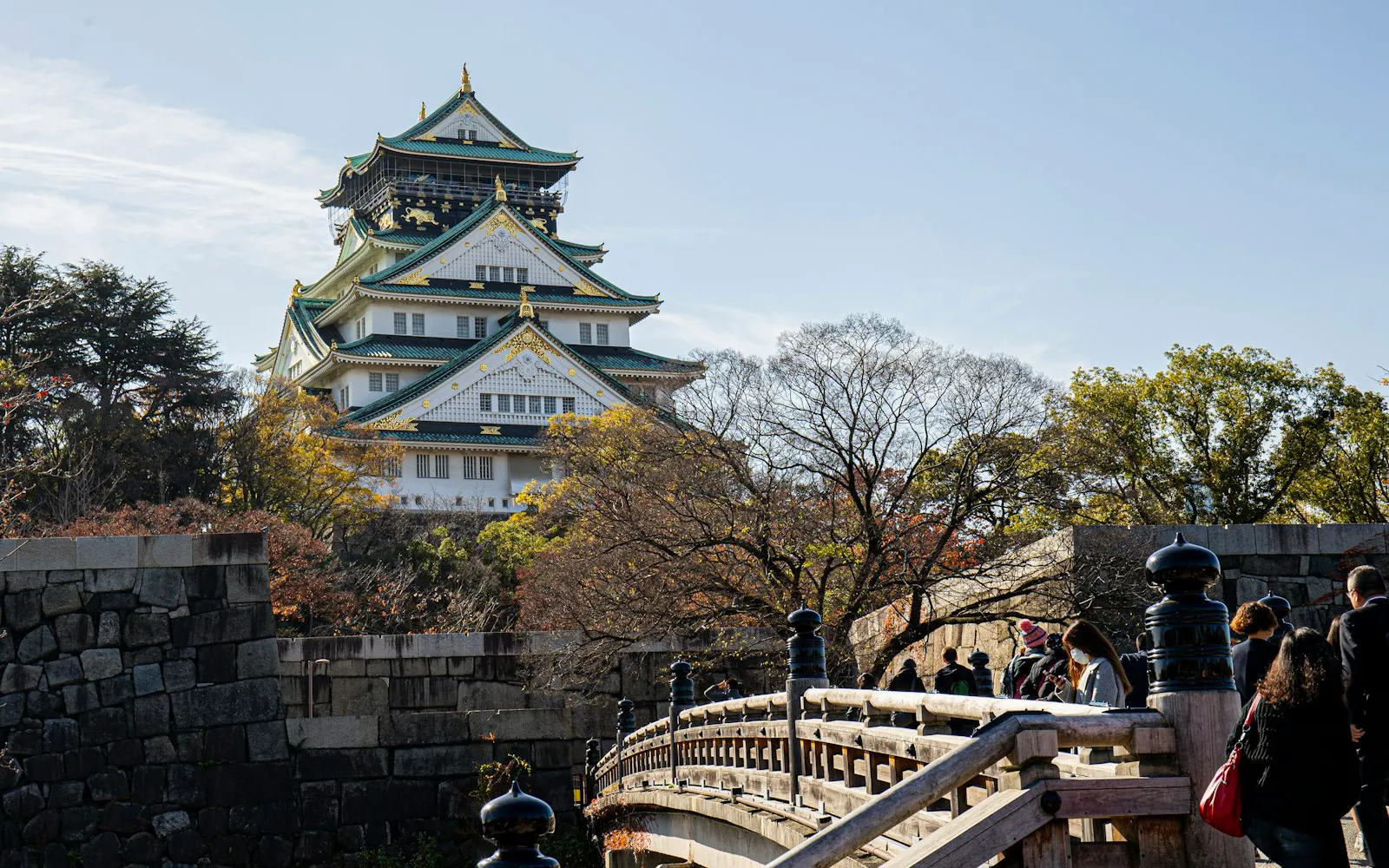
This is the day you activate the pass. Visit Osaka Castle’s Main Tower (1,200 yen) in the morning, then head to the harbor in the afternoon for the Santa Maria Day Cruise (1,800 yen) — that’s already 3,000 yen worth of admission in a single day. Add a day’s worth of transit on top, and you’ve recovered more than half the pass price on day one alone.
Day 3 — From Tsutenkaku to the Umeda Night View
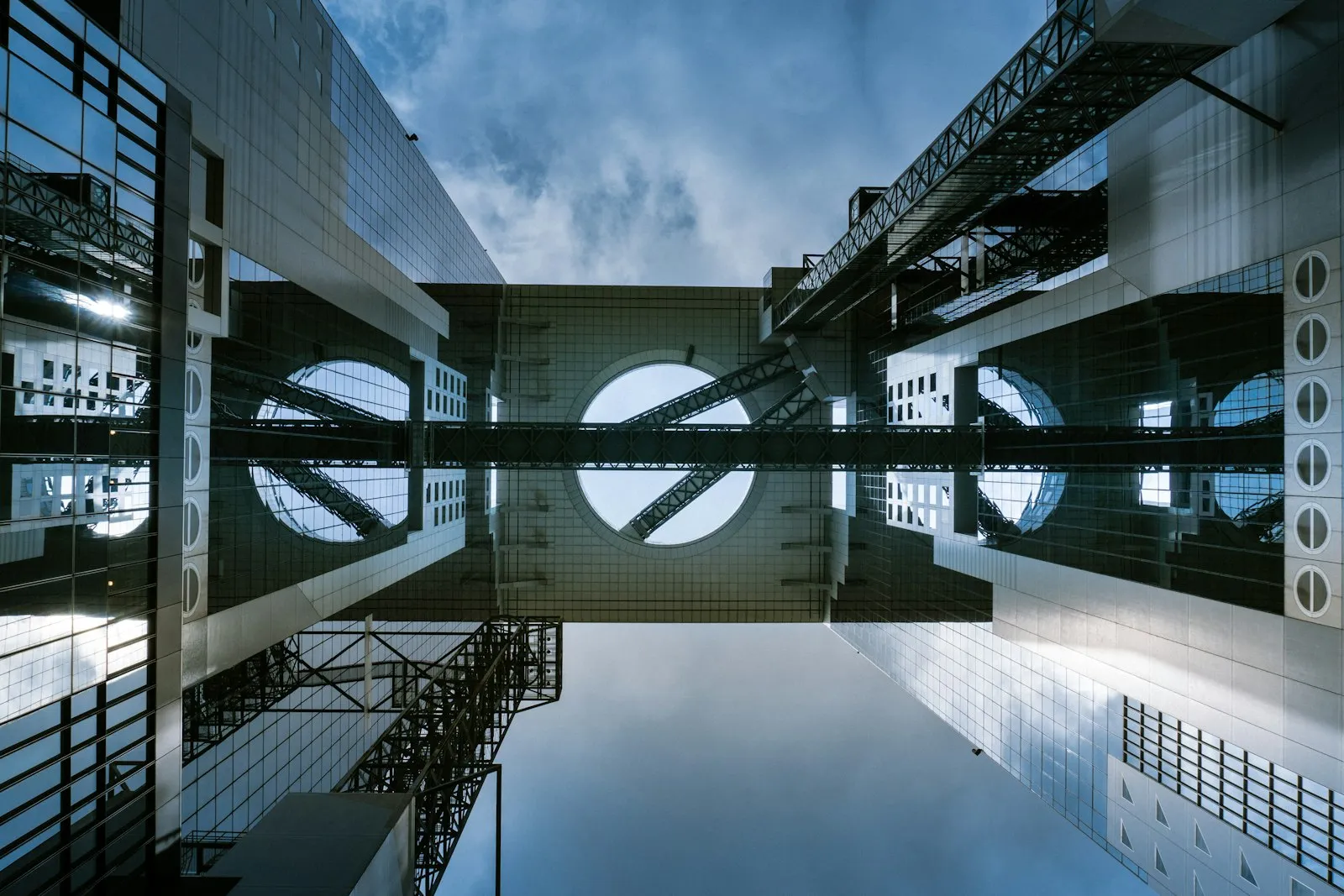
We’d recommend seeing Tsutenkaku (1,500 yen) in Shinsekai during the day, then heading up to Umeda in the evening. The Umeda Sky Building’s Floating Garden Observatory is open 09:30~22:30 (last admission 22:00), so you have plenty of time to catch the night view. At 2,000 yen for an adult ticket, this one spot alone pushes you well past the break-even point. If you have time left, add the HEP FIVE Ferris Wheel (1,000 yen) as well.
Day 4 — Pass Expired, Drop Your Bags and Shop
The pass has already expired by now, so this is a day of paying transit costs out of pocket.
Trip Prep and Costs: Pass, Currency Exchange, Payment, and eSIM
Preparation matters just as much as the route. Run the numbers on exchange rates and you’ll find the money that leaks away here is worth about one whole pass.
- Choosing a transit pass — If you’re not visiting the paid facilities, the Amazing Pass is overkill. The Enjoy Eco Card, which covers unlimited Osaka Metro and bus rides only, is 820 yen (620 yen on Saturdays, Sundays, and holidays) — much cheaper.
- Payment methods — The common combination is to rely mainly on a foreign-currency prepaid card like Travelog or Travel Wallet, keeping cash to around 20% of your total budget in yen.
- Where you’ll need cash — The Amazing Pass can’t be purchased with cash. It’s safer to buy it by card ahead of time.
- eSIM/SIM card — Since the pass works via QR code, losing your data connection can leave you stuck at the ticket gate. Confirming activation before you leave home is essential.
- Screenshot backup — It’s worth capturing your QR code in advance for peace of mind.
Three or more paid facilities plus lots of moving around in a day = Amazing Pass. Just moving around with no paid facilities = Enjoy Eco Card. This one rule of thumb covers most situations.
Pitfalls to Know Before You Buy
The Amazing Pass counts a “day” as running from 3:00 a.m. to 2:59 a.m. the next day. Activate it at 10 p.m. and you’ll burn a full day for less than 5 hours of use.
- The 2-Day Pass means two consecutive days — you can’t pick any two days of your trip to use it on.
- It must be used within 3 months of purchase. Don’t buy it early and then forget about it.
- One visit per facility — you can’t enter the same place twice.
- There’s no separate children’s pass — if you’re traveling with kids, it’s better to calculate each facility’s child admission fee separately.
Frequently Asked Questions (FAQ)
I’m arriving in the afternoon — should I activate it that same day?
If you won’t have time to cover two facilities, activate it the next morning instead. Since the “day” ends at 2:59 a.m., activating it with less than half a day left works against you.
Can I split the 2-Day Pass between day 1 and day 3?
No. The 2-Day Pass is only valid for two consecutive days, so you need to design your itinerary around packing facilities into two days that are back to back.
Should I buy the Itami Airport version (3,800 yen) instead?
If you’re arriving via Itami Airport or plan to use the Osaka Monorail or the Kita-Osaka Kyuko Railway section, the 300-yen difference pays for itself quickly. If you’re flying into Kansai Airport, the standard version is the right choice.
I’m only planning to visit one or two facilities — do I still need the pass?
If it’s just the Umeda Floating Garden Observatory (2,000 yen), buying individual tickets works out better. Add the Enjoy Eco Card at 820 yen for transit and your total comes to 2,820 yen — 680 yen cheaper than the 1-Day Pass.
For a first trip to Osaka, the Amazing Pass isn’t automatically worth it just because you bought it — it pays off when you’re willing to pack two or three paid facilities into a single day. Just plug your planned stops into the fee table above and check whether you clear the 3,500-yen or 5,000-yen line, and you’ll have your answer. Fees and hours are subject to change, so double-check each facility’s official information before you go.
Image credits3
- 📷 Juliana Barquero / Unsplash
- 📷 Paul Cuoco / Unsplash
- 📷 Ken Cheung / Unsplash