 EasyTicket
 Jebudo Island is only accessible by car when its sea route opens, so if you can’t read the tide-based crossing schedule, you could end up waiting for hours right at the water’s edge. This article focuses on just one thing: “reading the crossing schedule accurately and planning your driving route around it.” It’s organized in this order: how to read the schedule → crossing over → wrapping up with the Gungpyeong Port sunset — all as a same-day trip.
Where Can You Find an Accurate Jebudo Tide-Based Crossing Schedule?
The first thing to know is the source. Schedules pinned on personal blogs are often out of date, which makes them risky. The original source for the Jebudo crossing schedule is the official Hwaseong City Hall website. Hwaseong City publishes a monthly crossing schedule as an Excel file every year, and this data is generated from the Korea Hydrographic and Oceanographic Agency’s (KHOA) Smart Tide Prediction service (1-minute predicted tide-level data) (Source: Hwaseong City Hall). In other words, it’s the most reliable primary source available to the public.
If you want to check in real time, you can refer to Hwaseong City Hall’s island transportation info page, or other services that organize and display tide data. Even so, the surest way to confirm is a phone call to the Jebudo Management Office (031-355-3924).
The crossing schedule is a prediction. Depending on weather conditions (strong winds, swells, low pressure), the actual opening and closing times can differ by more than an hour. Make it a habit to check twice — the day before you leave, and again on the morning of.
How to Read the Crossing Schedule — the “From~To” Columns Are the Key
This is the heart of the article. Hwaseong City’s crossing schedule lists two crossing windows per day next to each date and day of the week. Because the sea route opens around low tide — the point when the water has receded the most — you get two crossing windows a day, one for each of that day’s two low tides.
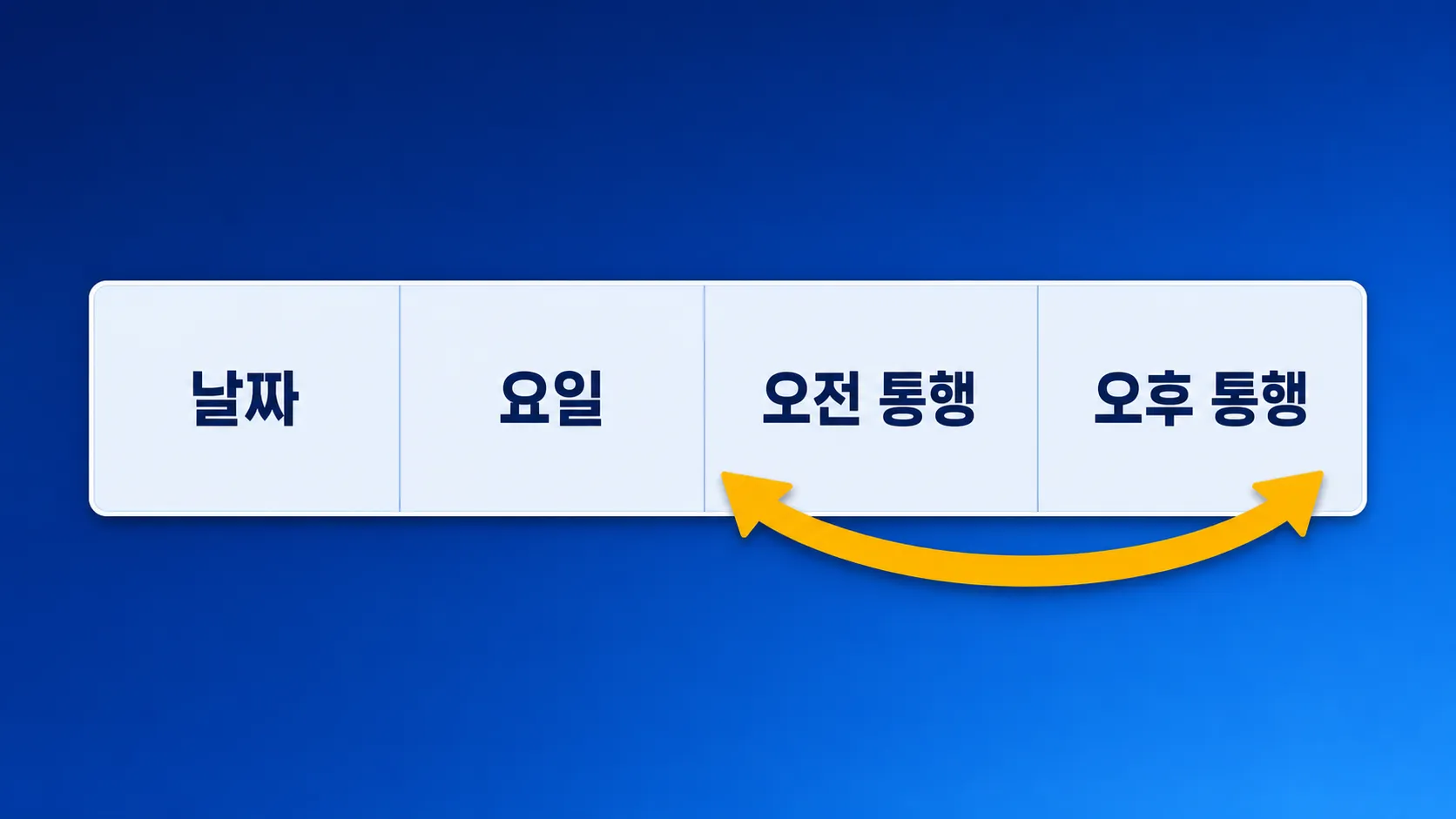
What Each Column Means
| Notation | Meaning | What to Do |
|---|---|---|
| Crossing time (from~to) | You can only cross during that window | Enter between the start and end times |
| Two time windows | Opens twice a day (morning and afternoon) | Pick the afternoon window if you want the sunset |
| ”Continuous” | Crossing is available 24 hours that day | No need to worry about the tide |
| No listing for a stretch | The sea route is submerged | Never enter |
In total, the sea route is generally open twice a day around low tide, for roughly 4~5 hours each time. But this window changes daily depending on the tidal cycle (spring tide vs. neap tide), so “it worked at this time yesterday, so it’ll work today too” doesn’t hold. You always need to check the row for that exact date.
3 Things Drivers Should Note on the Schedule
- Work backward from the closing time: If you enter right before the window closes, the road could submerge again before you get back out. It’s safer to cross between the start and the midpoint of the window.
- Decide whether your round trip fits in one window: Figure out how many hours you want to spend on the island, then check whether that fits inside the crossing window.
- Pair the afternoon window with the sunset: If the afternoon crossing window overlaps with sunset, you can watch the sunset on Jebudo and still make it back out.
Recommended Same-Day Driving Route by Time of Day
This is a one-day route built around the tide schedule, based on a day when the crossing window opens in the afternoon. Adjust the actual times to match the crossing schedule for your specific day.
- 11:00 Arrive at Jeongok Port, ride the cable car — Even before the sea route opens, you can enjoy Jebudo by cable car first.
- 13:00 Lunch — Seafood restaurants around Jeongok Port and Jebudo. Use the tide wait as your meal time.
- 14:00~whenever the afternoon crossing window opens, drive across the sea route — This is the stretch where you drive the road between the exposed mudflats.
- 15:00~17:00 Walk around Jebudo — The beach, Maebawi (Hawk Rock), and the walking trails.
- 30~60 minutes before sunset, head to Gungpyeong Port — Drive from Jebudo to Gungpyeong Port to watch the sunset.
If you ride the cable car in the morning, the time fills up naturally until the afternoon crossing window opens. Pair “tide-waiting time” with “cable car and lunch time” and your day won’t feel like it has dead time.
Seohaerang Cable Car: Visitor Info
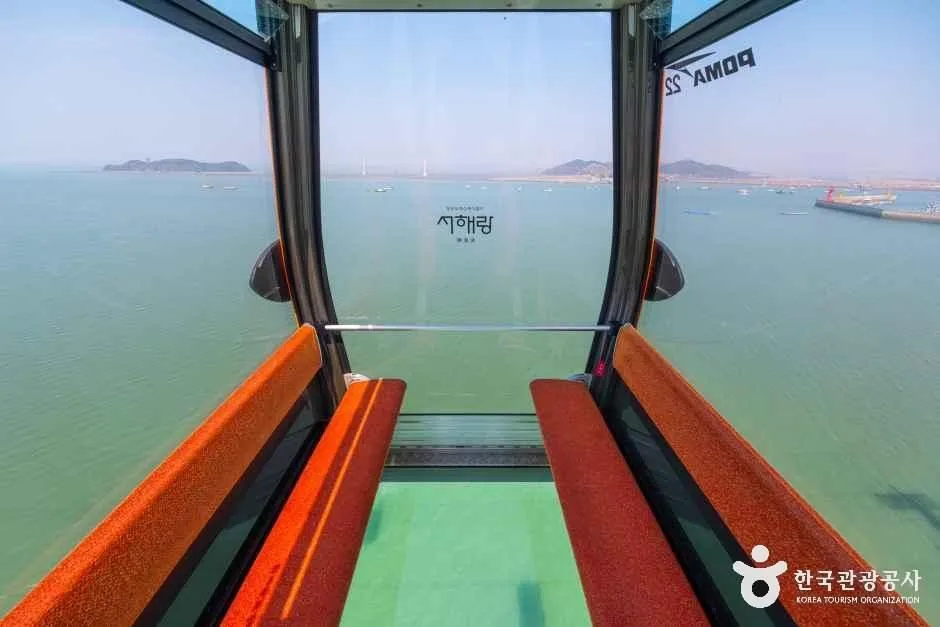
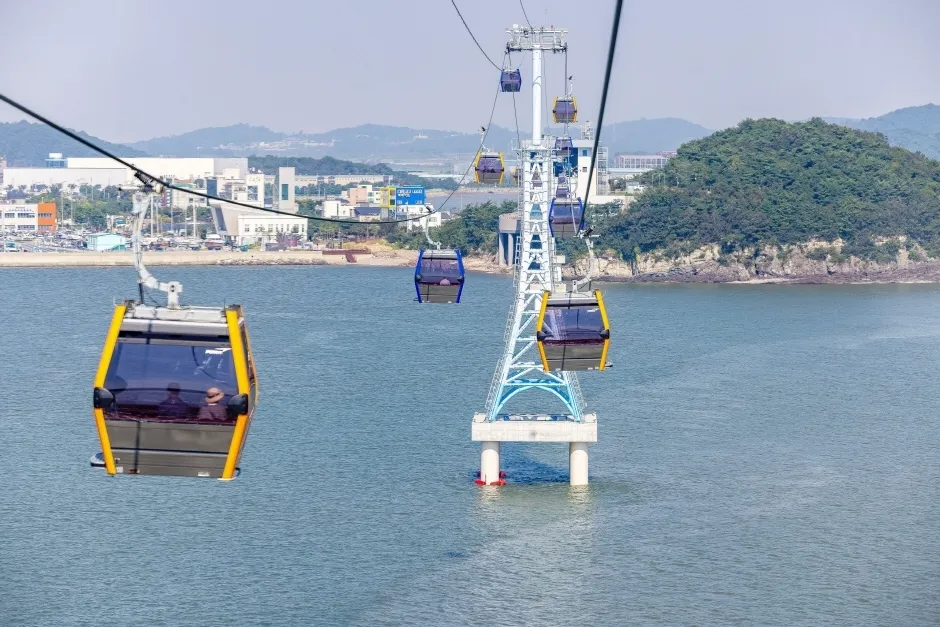
The Seohaerang Cable Car, connecting Jeongok Port and Jebudo, boasts a total length of 2.12km — the longest over-water cable car route in Korea (Source: Korea Policy Briefing). It lets you travel to and from the island regardless of the tide, making it a great alternative when the sea route is closed.
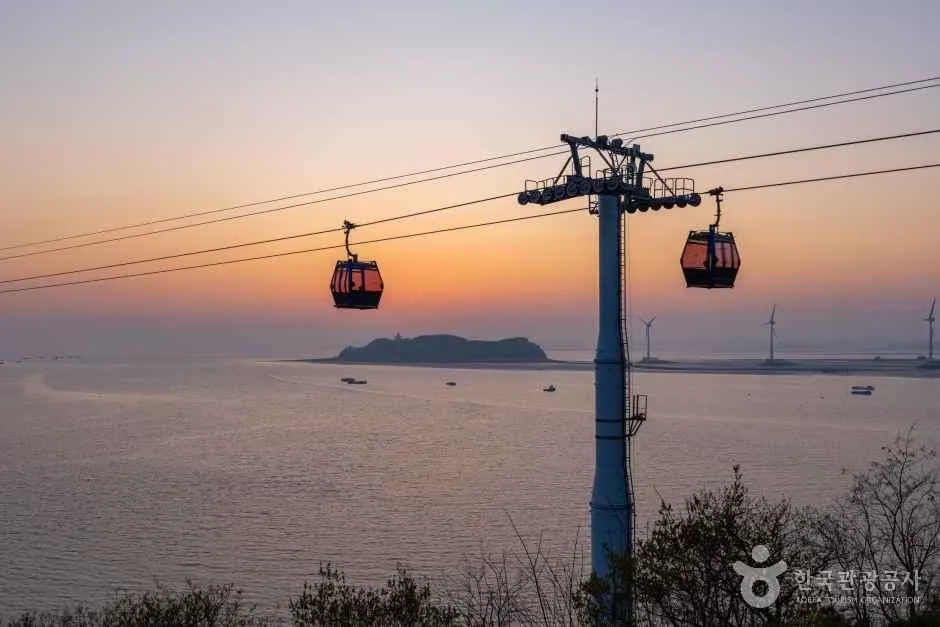
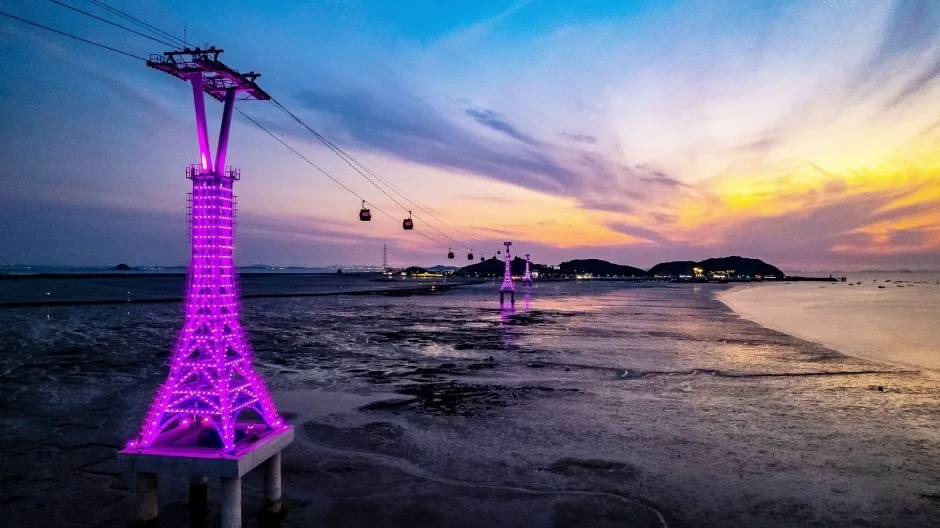
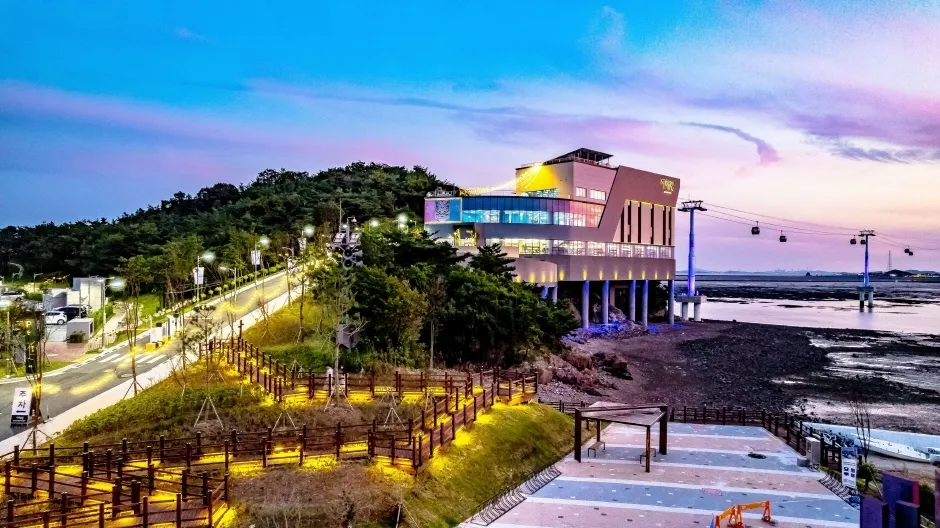
| Category | Round-trip (Adult/Child) | One-way (Adult/Child) |
|---|---|---|
| Standard cabin | ₩22,000 / ₩18,000 | ₩19,000 / ₩16,000 |
| Crystal cabin | ₩25,000 / ₩20,000 | ₩21,000 / ₩17,000 |
- Operating hours: 09:00~19:00 (ticket sales end 1 hour before closing)
- The Crystal Cabin has a transparent floor, so you can see the sea beneath your feet.
Fares and operating hours can change by season, so check the official Seohaerang website once more before you visit.
Wrapping Up With the Gungpyeong Port Sunset
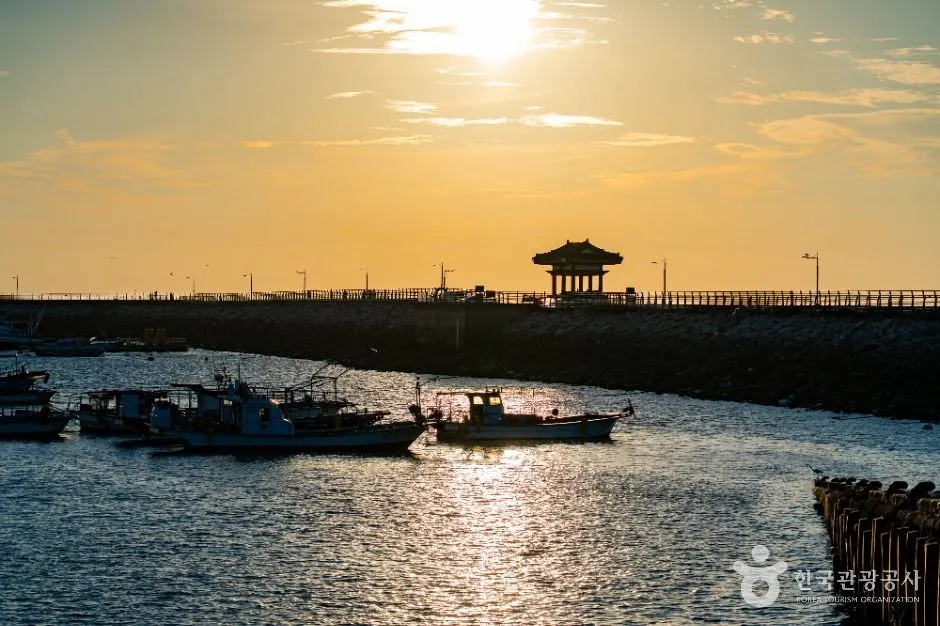
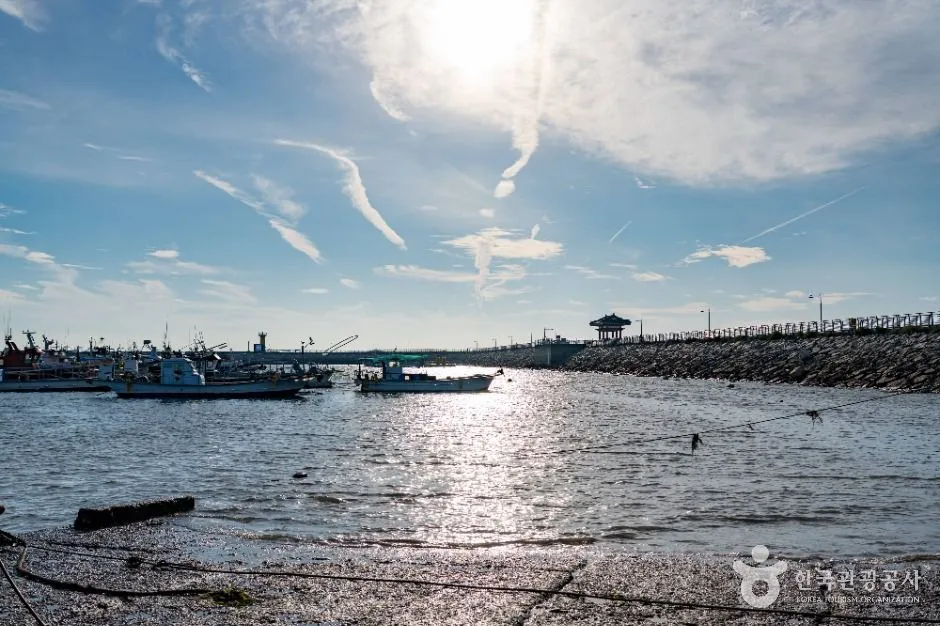
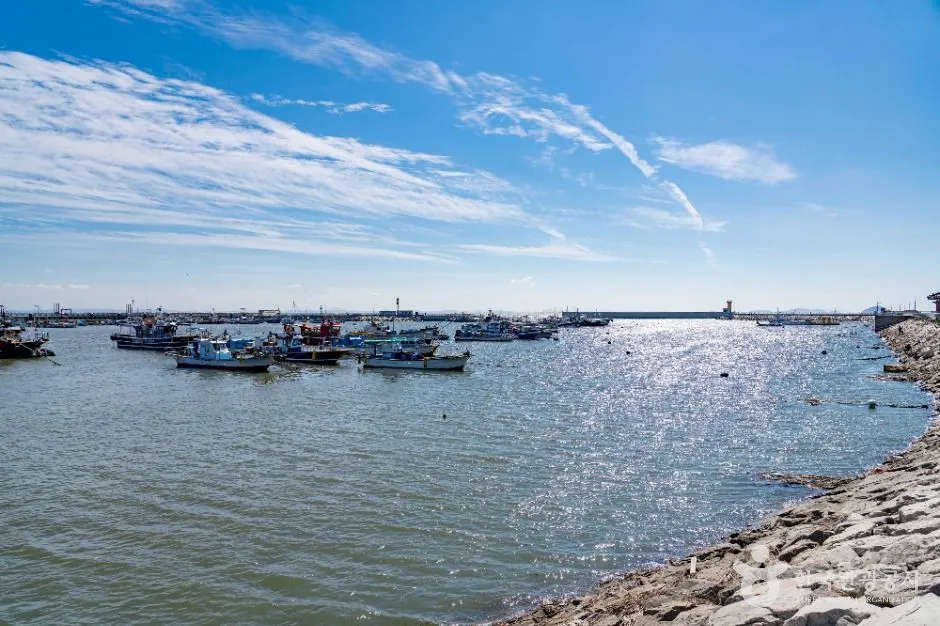
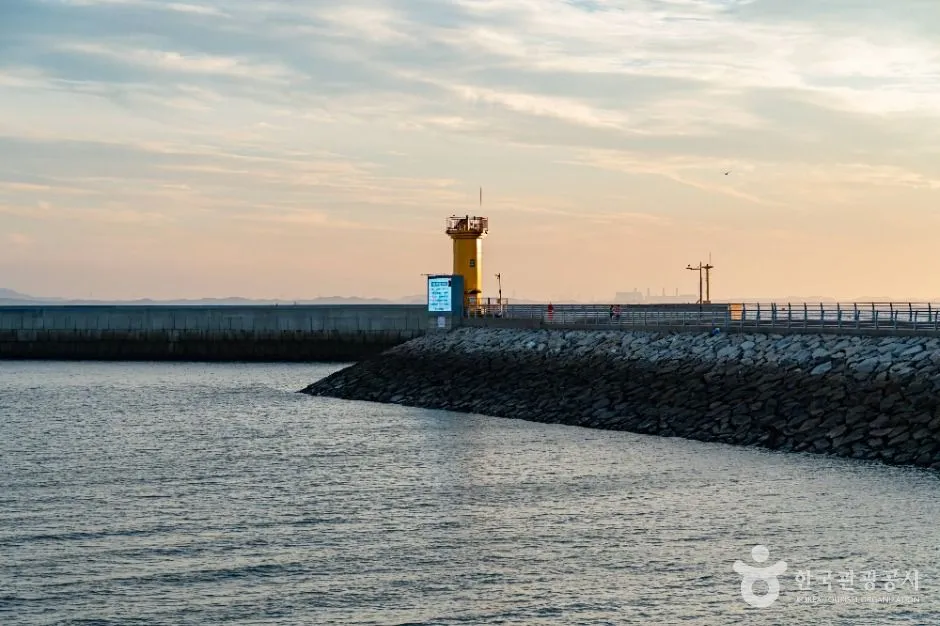
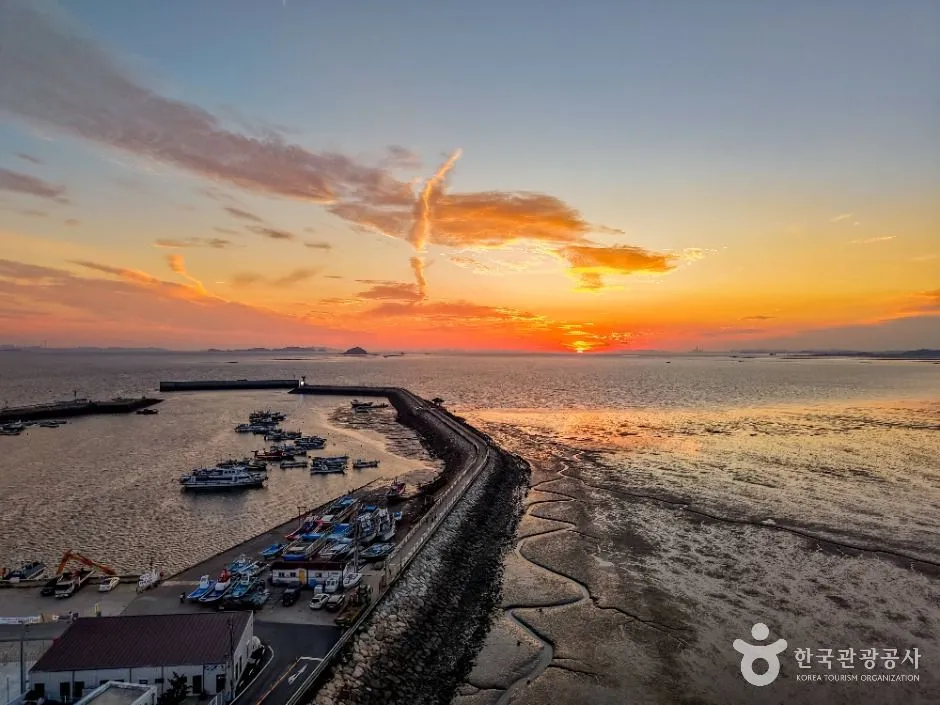
The finale of the day is the Gungpyeong Port sunset. Gungpyeong Port is named the 4th of the Eight Scenic Views of Hwaseong (‘Gungpyeong Sunset’) and is one of the West Sea’s signature sunset spots. The view from the end of the 193m pier (Gungpyeong Nakjo-gil, or “Sunset Walkway”) stretching out over the water is especially famous.
- Address: 1049-24 Gungpyeonghang-ro, Seosin-myeon, Hwaseong-si, Gyeonggi-do
- Admission: Free / open year-round
- Nearby fish markets, fishing spots, and walking trails make it easy to fill the time before and after sunset.
Sunset time varies by season. For example, in mid-January, sunset begins around 17:40, so if you want to watch it without rushing, plan to arrive 30 minutes to an hour early. Check the exact sunset time for your visit date through the Korea Hydrographic and Oceanographic Agency (KHOA) or Korea Meteorological Administration (KMA).
Jebudo and Gungpyeong Port are both on Hwaseong’s West Sea coast, so they combine well into one driving route. If you leave Jebudo during the afternoon crossing window and head straight to Gungpyeong Port, you can time it perfectly for sunset.
Parking and Cost Checklist
Practical details worth knowing ahead of time if you’re driving.
- Jebudo public parking fee: 5 hours ₩1,000 / 10 hours ₩2,000 / full day ₩3,000
- Enter the sea route between the start and midpoint of the crossing window — don’t enter when it’s about to close
- Cable car ticket sales end 1 hour before closing (18:00)
- For the Gungpyeong Port sunset, arrive 30~60 minutes before sunset
- Check the crossing schedule twice — the day before you leave and again the morning of
Frequently Asked Questions (FAQ)
What Does It Mean When the Schedule Says ‘Continuous’ for a Day?
It means the tide doesn’t recede enough that day to submerge the sea route — in other words, crossing is available 24 hours that day. On days like this, you can cross anytime without worrying about the tide. This isn’t common, though, so always check the schedule for the specific date.
Is It Okay to Enter Right Before the Listed Closing Time?
It’s not recommended. The closing time of the crossing window is when the water starts rising again, so if you enter right before it closes, the road could submerge while you’re still doing things on the island. Enter between the start and midpoint of the window, and leave yourself plenty of margin before the closing time when you head back out, too.
I Heard Some People Relied Only on the Predicted Schedule and Couldn’t Cross — Is That True?
Yes — the crossing schedule is a tide prediction, so the actual timing can vary by more than an hour depending on the weather. During strong winds, swells, or low pressure, the road can submerge earlier than scheduled. That’s why calling the Jebudo Management Office (031-355-3924) on the morning of your visit is the surest way to confirm.
If the Tide Doesn’t Cooperate, Can You Not Get to the Island at All?
No, you can still get there. Taking the Seohaerang Cable Car lets you cross from Jeongok Port to Jebudo even when the sea route is closed. Filling your tide-waiting time with the cable car and the Gungpyeong Port sunset can actually make for a fuller day.
Once you can read a single line of the tide-based crossing schedule correctly, a Jebudo day trip really isn’t difficult. Following the flow of crossing during the afternoon window → enjoying the island → wrapping up with the Gungpyeong Port sunset makes for a full, satisfying day on the West Sea. Before you leave, just double-check the crossing schedule for that exact date one more time.
References
- Hwaseong Special City Hall – Jebudo Crossing Times (Island Transportation Info)
- Seohaerang Jebudo Cable Car – Official Website
- Korea Policy Briefing – Traveling to Jebudo via the Seohaerang Cable Car
- Hwaseong Culture & Tourism – Gungpyeong Port / Seohaerang
Image credits11
- 제부도 - 한국관광공사 (출처표시)
- 대표 이미지 - 한국관광공사 (출처표시)
- 서해랑 제부도 해상케이블카 (2) - 한국관광공사 (출처표시+변경금지)
- 서해랑 제부도 해상케이블카 (3) - 한국관광공사 (출처표시+변경금지)
- 경기_화성_서해랑 제부도 해상케이블카_체험_1.jpg - 한국관광공사 (출처표시)
- 서해랑 제부도 해상케이블카 (1) - 한국관광공사 (출처표시+변경금지)
- 화성_궁평항 (10) - 한국관광공사 (출처표시)
- 화성_궁평항 (4) - 한국관광공사 (출처표시)
- 화성_궁평항 (1) - 한국관광공사 (출처표시)
- 화성_궁평항 (8) - 한국관광공사 (출처표시)
- 화성_궁평항 (12) - 한국관광공사 (출처표시)