 EasyTicket
 When you’re putting together a Jeju Island itinerary, the first thing you’ll have to figure out is whether to start in the east or the west. The mood, scenery, and routes are quite different between the two. EasyTicket has gathered the essentials, comparing everything from the differences between the two routes to admission fees, discount passes, and rental car routes, all in one place.
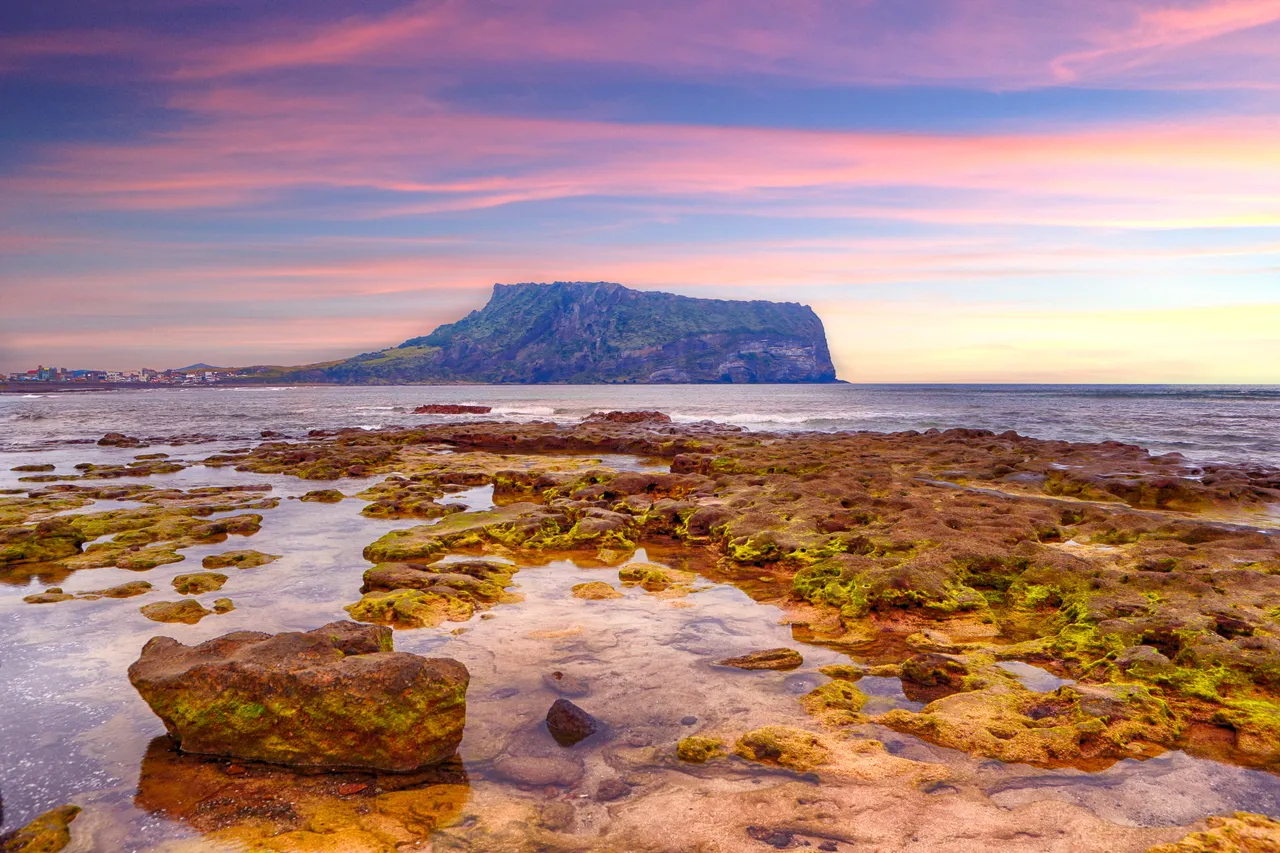
Jeju Island Travel: East vs. West at a Glance
Let’s start with the big picture. Starting from Jeju International Airport, the clockwise route covers the east, and the counterclockwise route covers the west. The two routes differ quite a bit in mood, scenery, and travel flow, so this choice has a big impact on how you plan your itinerary.
| Category | East Jeju | West Jeju |
|---|---|---|
| Signature keywords | Sunrise, oreum (volcanic cones), stone walls | Sunset, beaches, exotic scenery |
| Scenery | Volcanic terrain, grasslands, black rock | Emerald sea, palm trees |
| Mood | Calm, nature-focused | Lively, resort-like |
| Signature spots | Seongsan Ilchulbong, Udo, Bijarim Forest | Hyeopjae Beach, Sanbangsan, Osulloc |
| Best for | Sunrise-watchers and trekking fans | Beach strolls and picture-perfect photos |
If you only have 2 nights and 3 days, it’s more efficient to focus on just the east or the west. For 3 nights and 4 days or more, splitting your trip between east and west works well.
Recommended East Jeju Attractions
East Jeju’s charm lies in its sunrise views and volcanic landscapes. It’s a great fit if you’re an early riser or enjoy nature walks.
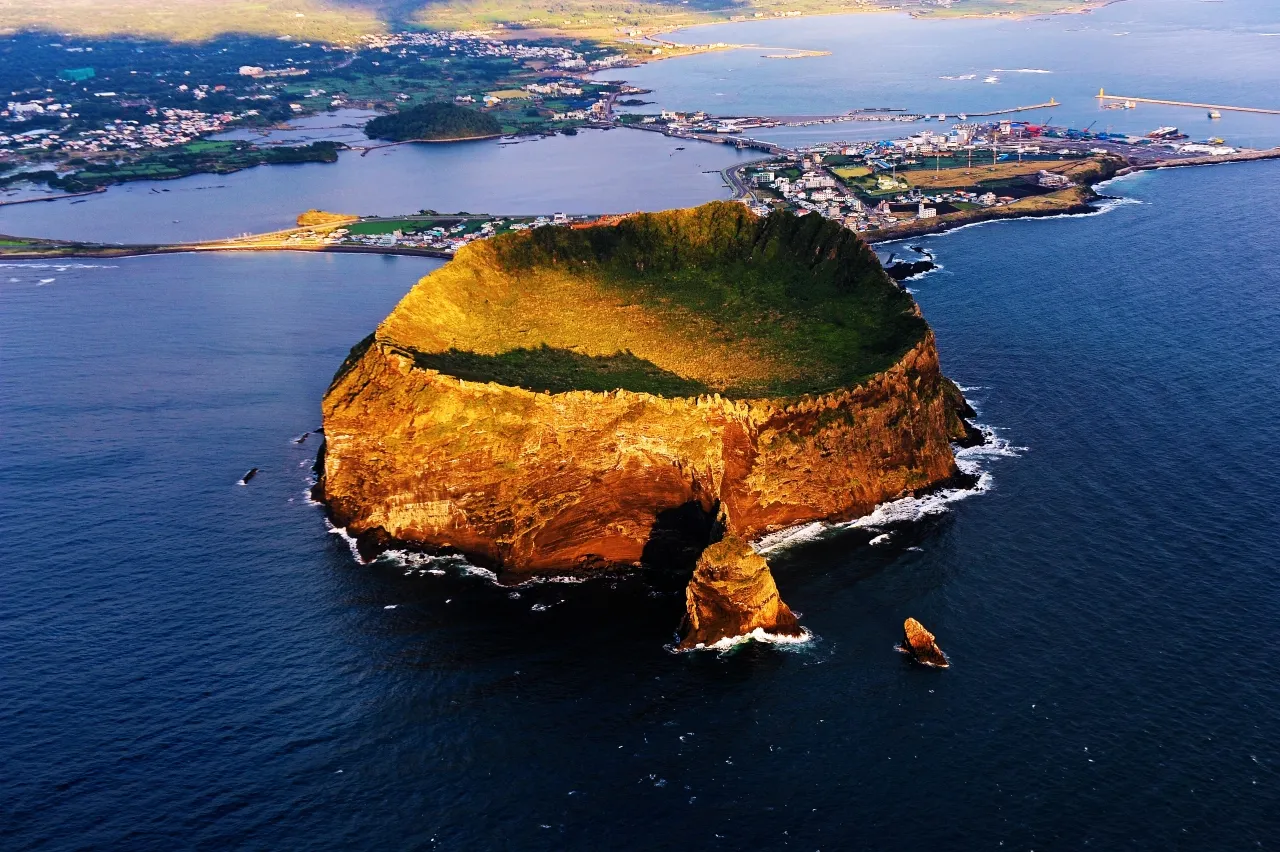
Seongsan Ilchulbong & Udo
Seongsan Ilchulbong is a tuff cone peak designated as a UNESCO World Natural Heritage site. The round-trip walking trail to the summit takes about an hour, and admission is 5,000 won for adults and 2,500 won for teens; children under 6 and seniors 65 and older get in free (bring ID).
Udo is about a 15-minute boat ride from Seongsan Port. The adult round-trip fare, which includes provincial park admission and the terminal usage fee, runs around 5,500 won, with ferries typically departing from 8 a.m. on the hour and half-hour. Once on Udo, you can rent an electric car, scooter, or bicycle to get around.
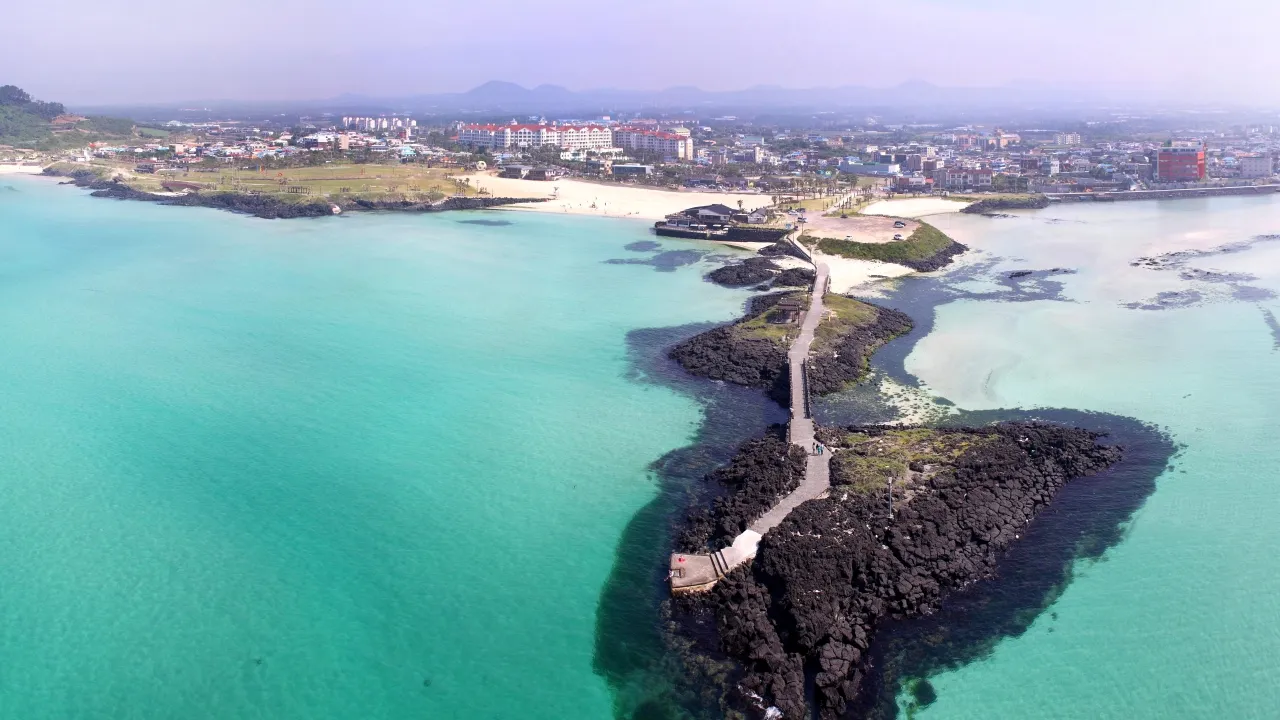
Hamdeok & Gimnyeong Beaches
It’s just 30~40 minutes from the airport, making it a great fit for your first or last day. Hamdeok has a lively cluster of cafes and restaurants, while Gimnyeong is quieter and better for a relaxed walk.
Bijarim Forest & Manjanggul Cave
Bijarim Forest is a designated Natural Monument known for its grove of Torreya trees, making it a great forest-bathing walk. Manjanggul is a lava tube cave and World Natural Heritage site — the inside stays around 11~21℃ year-round, so dress accordingly whether you’re visiting in mid-summer or mid-winter.
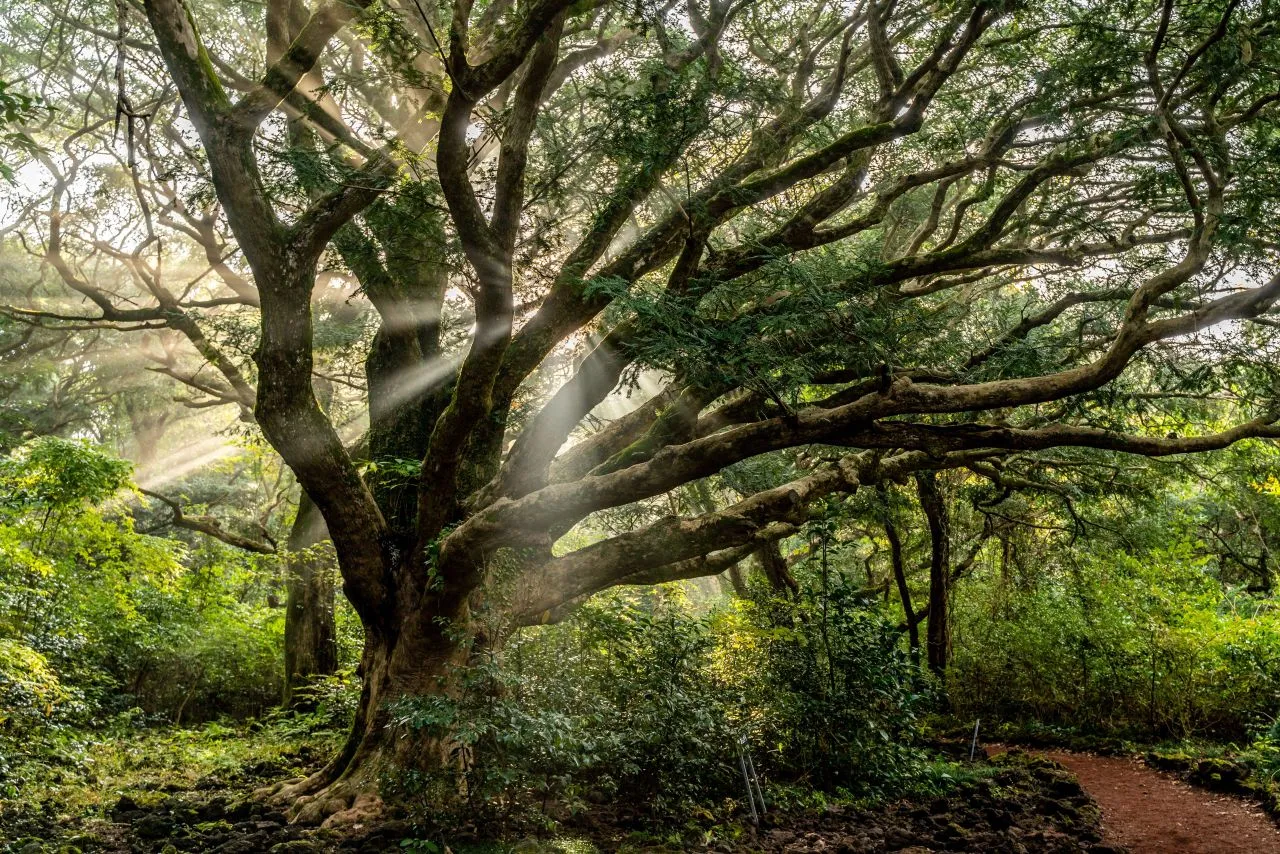
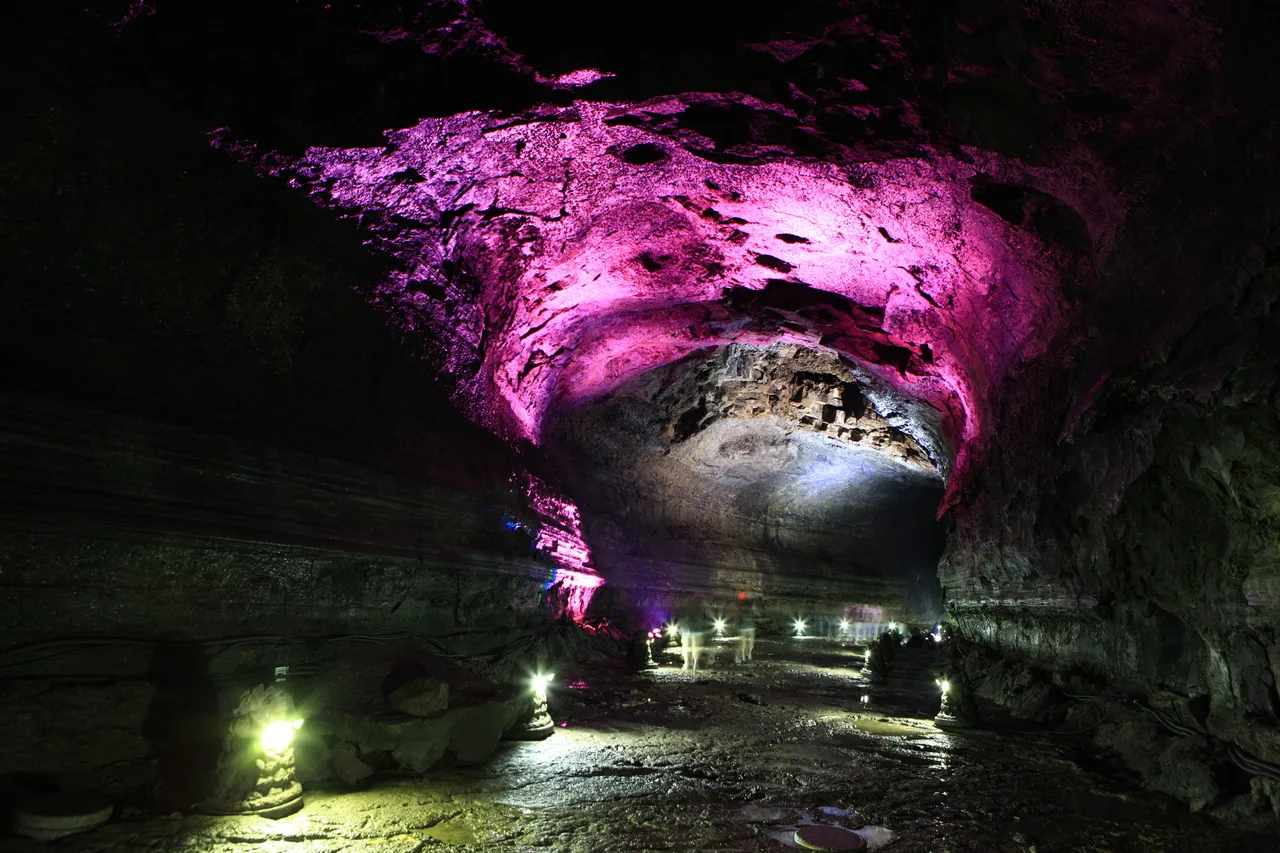
For the east route, a natural flow is: sunrise at Ilchulbong → Udo → Bijarim Forest & Manjanggul Cave → Hamdeok.
Recommended West Jeju Attractions
West Jeju is known for its emerald-blue waters and exotic scenery. If you’re after great photos or a resort-like vibe, go west.
Hyeopjae Beach & Hallim Park
Hyeopjae Beach is popular for its view of Biyangdo Island and shallow waters. Right next door, Hallim Park is an all-in-one park combining palm trees, a subtropical botanical garden, twin lava caves, and a folk village. Admission runs about 12,000 won for adults, 8,000 won for teens and military/police, and 7,000 won for children.
Some public parking lots around Hyeopjae and Hallim switch to paid parking during the summer peak season (June 20~September 20). Fees kick in after 30 minutes, so keep an eye on your parking time.
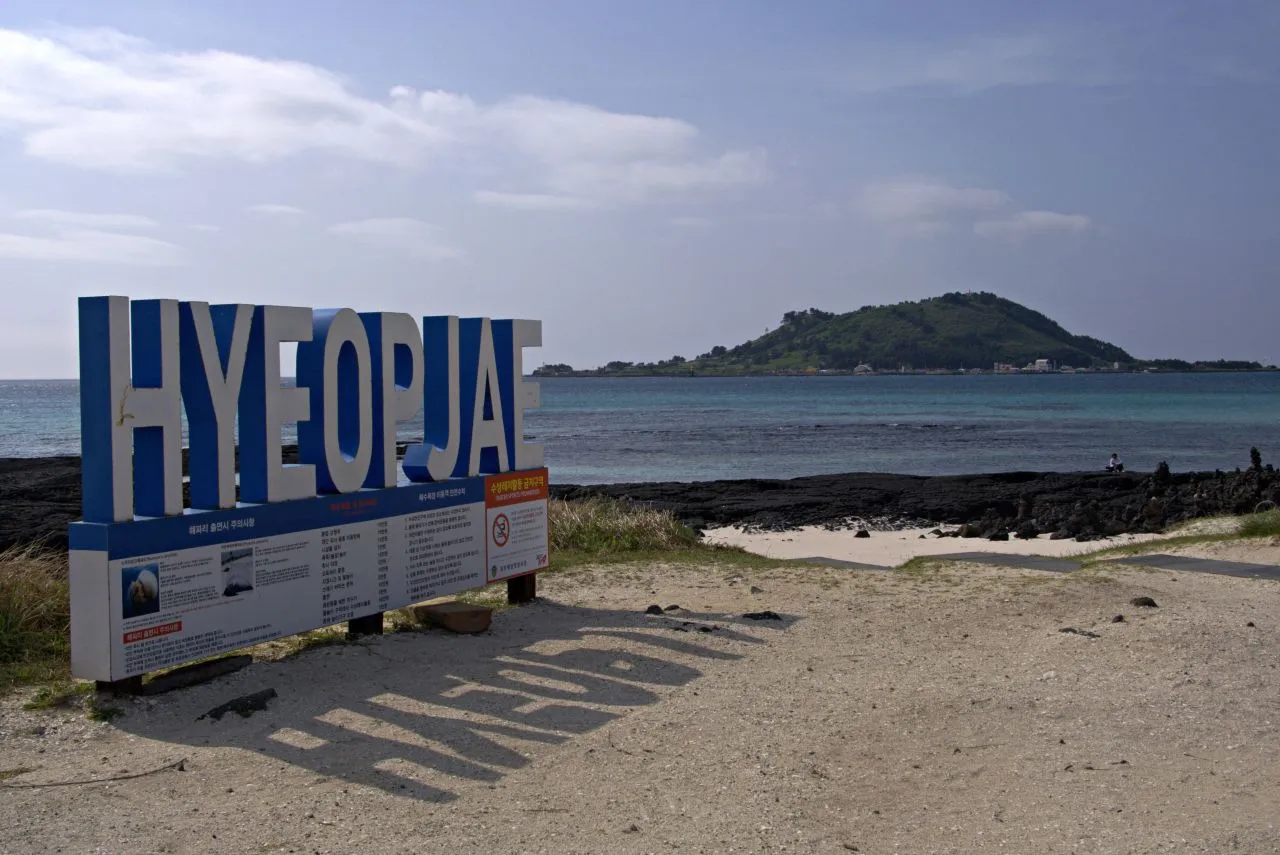
Sanbangsan & Songaksan
Sanbangsan is a massive bell-shaped lava dome and one of Jeju’s signature sights. The Songaksan coastal trail is a flat, easy path along the sea, so it’s manageable even with kids or elderly family members along. The two are within a 10-minute drive of each other, making them easy to pair on the same trip.
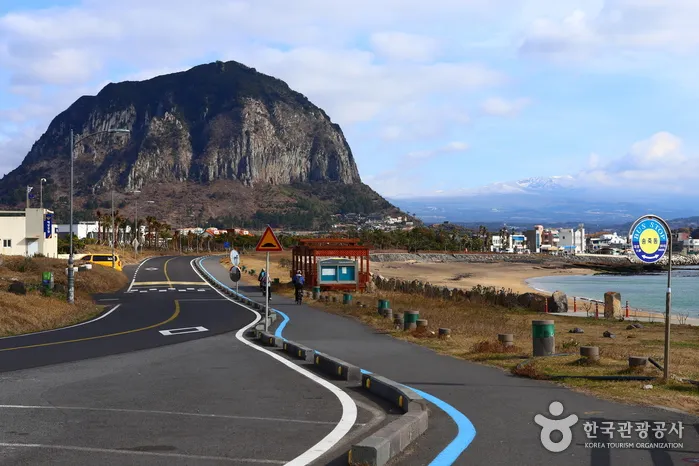
Osulloc Tea Museum & Camellia Hill
Osulloc combines green tea fields with a museum and tea cafe, making it a great photo spot. Camellia Hill is an arboretum where seasonal flowers, camellias, hydrangeas, lavender, and more, take turns blooming, so the mood changes quite a bit from season to season.
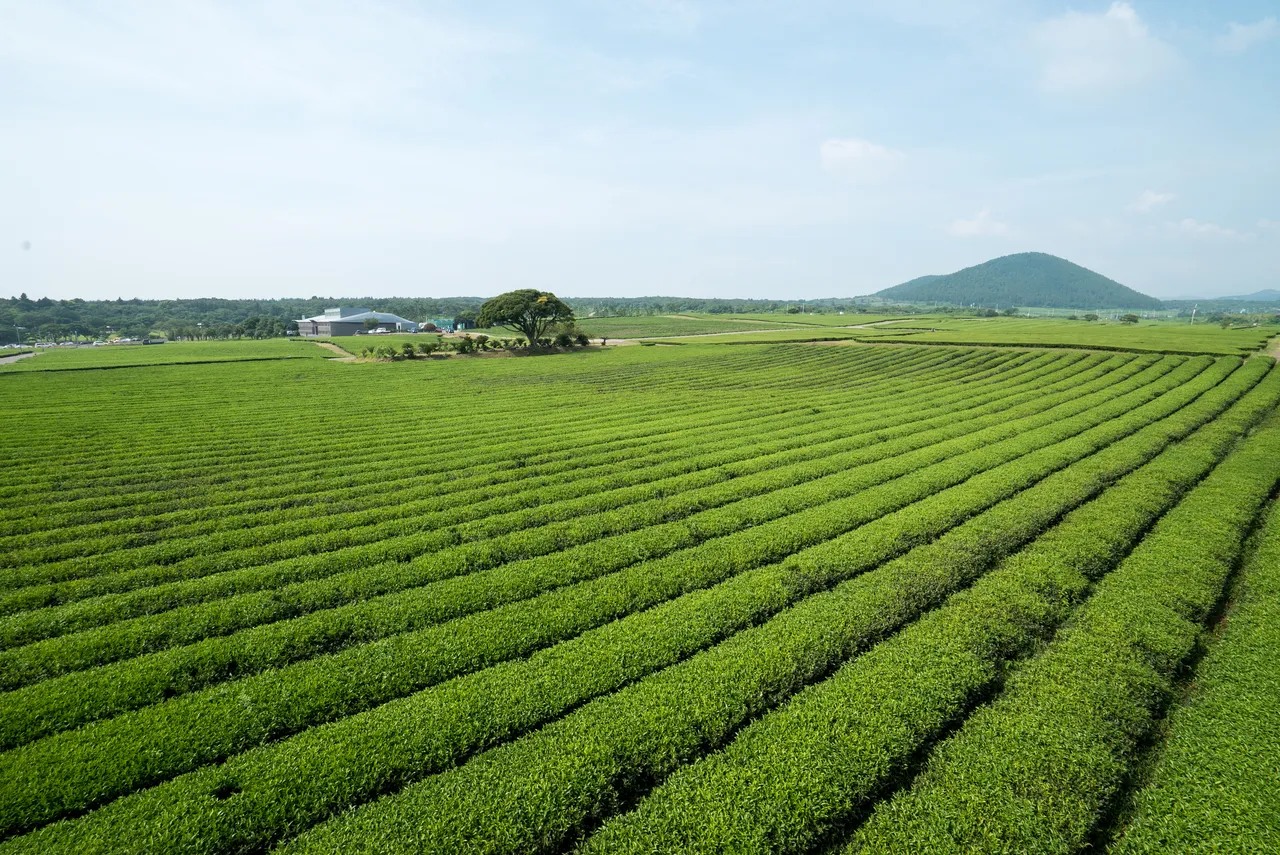
East or West: Which Route Fits You?
If you’re having trouble deciding, use this checklist to help figure it out.
- You want to see the sunrise and early-morning scenery → East
- Your goal is picture-perfect shots at emerald beaches → West
- You’re focused on trekking, oreum, and caves → East
- You’re focused on cafe-hopping, arboretums, and tea museums → West
- You need an easy, flat route for kids or elderly family members → West (Songaksan trail, Hallim Park)
- You prefer quiet spots with fewer crowds → East (Gimnyeong, Bijarim Forest)
If you’re into exciting activities, check out our post The Complete Guide to Using 9.81 Park Jeju’s Attractions in Order too!
If you really can’t decide, plan for 3 nights and 4 days or more, and split your accommodations — one base for days 1-2, the opposite base for days 3-4. Driving to and from the airport to your east or west base every day adds up to real driving fatigue.
Rental Car & Route-Planning Tips
A rental car is essentially the standard way to see Jeju Island. Public transit routes and intervals aren’t very generous, so relying on it can cost you a lot of time.
Basic Rules for Planning Your Route
- Base your accommodations in either the east or the west — saves 1~2 hours of driving each day
- Keep daily travel distance under 100km — pushing further cuts into the time you have to actually enjoy the scenery
- Work backward from sunset time when scheduling your last stop of the day — the west has plenty of great sunset spots
Things to Check While Driving
- Jeju’s roads see sudden fog and gusty winds fairly often. Slow down when driving coastal roads at night.
- Some popular spots (around Seongsan, Hyeopjae, and Sanbangsan) see serious parking crunches during peak season. It helps to check nearby paid parking lots in advance.
- If you’re renting an EV, mark out charging station locations ahead of time.
How to Use Admission Fees & Discount Passes
Jeju offers several kinds of combo passes that bundle discounts across multiple attractions. The key is choosing the right one for your itinerary and group size.
Common Types of Combo Passes
| Pass Type | Features | Best For |
|---|---|---|
| Time-based combo pass (24/48/72/120 hours) | Free entry to partner attractions and experiences within a set time window | Short, tightly packed itineraries |
| Mobile discount coupon for individual attractions | One coupon works across multiple attractions, use anytime | Travelers with flexible schedules |
| Card-linked coupons | Automatic, instant discounts when you meet card payment conditions | Travelers maximizing card perks |
| Rental car combo pass | Bundled discount on car rental + admission fees | Itineraries centered on driving |
A pass isn’t automatically the better deal. Compare the total admission fees for the attractions you plan to visit vs. the pass price first. If you’re planning to visit 3~4 or more paid attractions, a combo pass is more likely to pay off.
Plenty of Free Spots Too
- Seongsan Ilchulbong’s free coastal trail section
- Beaches like Hamdeok, Hyeopjae, and Gimnyeong
- The Songaksan coastal trail, and Gwakji and Iho Tewoo beaches
- Sections of Saryeoni Forest Trail and Jeolmul Natural Recreation Forest
Mixing paid and free spots wisely can cut your costs significantly.
East vs. West: Different Food Scenes Too
The food scene is quite different between the two routes as well. It’s worth pairing your food choices with your route based on what you’re into.
- East: Leans heavily toward traditional local dishes — seafood sold directly by haenyeo (Jeju’s traditional female divers), restaurants themed around Dol Hareubang (Jeju’s iconic stone statues), mackerel, and hairtail. Concentrated around Seongsan, Gujwa, and Sehwa.
- West: Full of cafes, brunch spots, and visually striking restaurants. Hyeopjae, Aewol, and Hallim are the main cafe battlegrounds.
- Both areas: Grilled black pork, gogi guksu (meat noodle soup), bomal juk (top-shell porridge), and braised hairtail are easy to find on either side of the island.
For popular restaurants, checking waitlist apps or making phone reservations ahead of time can save you from wasted travel time. Cafes and restaurants get especially long lines around sunset.
Frequently Asked Questions (FAQ)
Q1. Can I visit both the east and west on a 2-night, 3-day Jeju trip?
It’s possible, but tight. Just the round-trip drive between east and west takes over 2 hours. You’ll likely be more satisfied if you focus on one side this trip and save the other for next time.
Q2. If it’s my first trip to Jeju, where should I start?
For a first visit, the west is a safe bet. It’s packed with visually striking spots like Hyeopjae, Sanbangsan, and Osulloc, which tend to score high on photos and reviews. We’d recommend saving the east’s nature-focused route for your second visit.
Q3. Which is cheaper, the east or the west?
There’s no huge difference, but the east has more free natural attractions (oreum, coastal trails, forest paths), so admission costs tend to run slightly lower there. The west, with its heavier concentration of cafes and indoor facilities, tends to rack up more food and drink spending.
Q4. Where’s the best place to buy a discount pass?
Prices and included attractions vary by travel platform. Decide on the 4~5 attractions you plan to visit first, then choose the pass that overlaps most with that list — that way you’re unlikely to lose out.
Q5. Which is better on a rainy day, east or west?
The west, with its abundance of indoor attractions, handles rain more easily. You can swap in the Osulloc Tea Museum, some of Hallim Park’s indoor facilities, museums, and more. The east has fewer indoor options — mainly Manjanggul Cave.
The real key to making the most of a Jeju Island trip comes down to minimizing scattered driving. Commit to one side, east or west, and sort out your combo pass, rental car, and restaurant reservations ahead of time, and you’ll get a lot more satisfaction for the same budget. Use EasyTicket’s comparison guide to pick the route that matches your style.
Image credits8
- 성산일출봉 촬영:한국관광공사 김지호 / 한국관광공사 포토코리아 (공공누리 제1유형)
- 성산일출봉의 아침 촬영:이항우 / 한국관광공사 포토코리아 (공공누리 제1유형)
- 함덕 서우봉해변 촬영:한국관광공사, 엠엠피 김진규 / 한국관광공사 포토코리아 (공공누리 제1유형)
- 만장굴 촬영:한국관광공사 김지호 / 한국관광공사 포토코리아 (공공누리 제1유형)
- 비자림의 빛 촬영:김정훈 / 한국관광공사 포토코리아 (공공누리 제1유형)
- 협재해수욕장 촬영:천건엽 / 한국관광공사 포토코리아 (공공누리 제1유형)
- 오설록녹차박물관 촬영:한국관광공사 김지호 / 한국관광공사 포토코리아 (공공누리 제1유형)
- 대표 이미지 - 한국관광공사 (출처표시)