 EasyTicket
 Matsue, in Shimane Prefecture, is known as the “City of Water” of Japan’s San’in region. With the national treasure Matsue Castle, the sunset over Lake Shinji, and Tamatsukuri Onsen all packed into one city, it’s a rewarding place to explore whether you go for a day trip or stay overnight. Below, we’ve rounded up 7 must-see attractions in Matsue, along with a recommended itinerary and transportation info.
What Kind of City Is Matsue?
Matsue is the capital of Shimane Prefecture, a city on the water flanked by two large lakes — Lake Shinji to the west and Lake Nakaumi to the east. The old samurai-town atmosphere is still very much intact, making it popular with working professionals who enjoy the quiet charm of a small Japanese city.
Here’s a quick summary of the city’s main highlights.
| Keyword | Highlight |
|---|---|
| History | Matsue Castle, a national treasure built in 1611 |
| Nature | Lake Shinji — one of Japan’s 100 best sunset spots |
| Hot springs | Tamatsukuri Onsen (a “beauty bath” hot spring) |
| Atmosphere | Shiomi Nawate old samurai street, Horikawa Canal |
Matsue isn’t a big city, so most of the major sights are within a 2–3 km radius of Matsue Castle. You can easily get around on foot plus the local city bus.
7 Must-Visit Attractions in Matsue
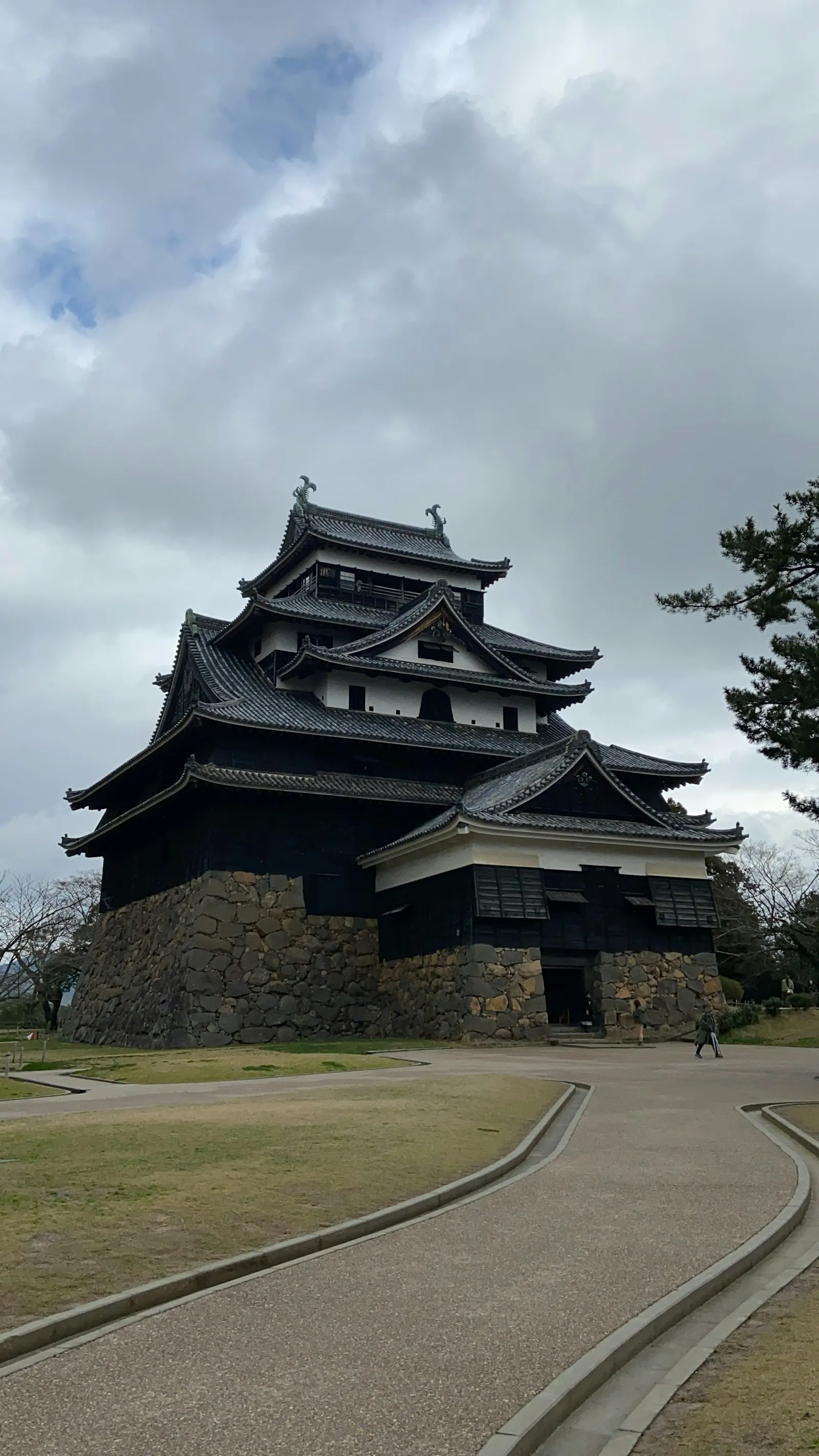
1. Matsue Castle (A National Treasure — One of Japan’s 12 Original Castle Keeps)
Completed in 1611, Matsue Castle is one of only a handful of original castle keeps (tenshukaku) still standing in Japan. Its black exterior has earned it the nickname “Black Castle” (黒い城). Climb to the top of the keep and you’ll get a sweeping view of downtown Matsue and Lake Shinji — it’s considered the number-one stop on any Matsue itinerary.
- Admission: 800 yen for adults / 400 yen for children (Source: Shimane Prefecture official tourism site)
- Hours: Castle keep open 08:30–18:00 (Apr–Sep), 08:30–17:00 (Oct–Mar)
- Closed: None — open every day of the year
2. Horikawa Sightseeing Boat — Touring Matsue by Canal
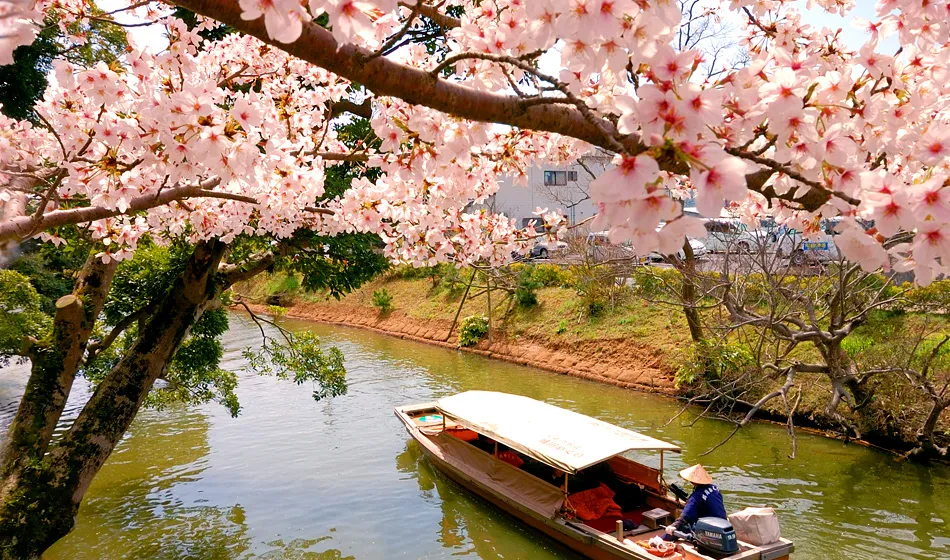
This small boat tour cruises along the moat (Horikawa) that surrounds Matsue Castle. The standard course takes about 50 minutes, passing the Shiomi Nawate samurai district and under 17 old bridges for a relaxed look at Matsue’s scenery. There’s a fun little quirk, too — under the low bridges, the boat’s roof automatically lowers, so you have to duck your head.
- 1,600 yen for adults / 1,300 yen for teens / 800 yen for children (all-day boarding pass)
- Runs 09:00–17:00 in spring and summer, 09:00–16:00 in winter
3. Lake Shinji — One of Japan’s 100 Best Sunset Spots
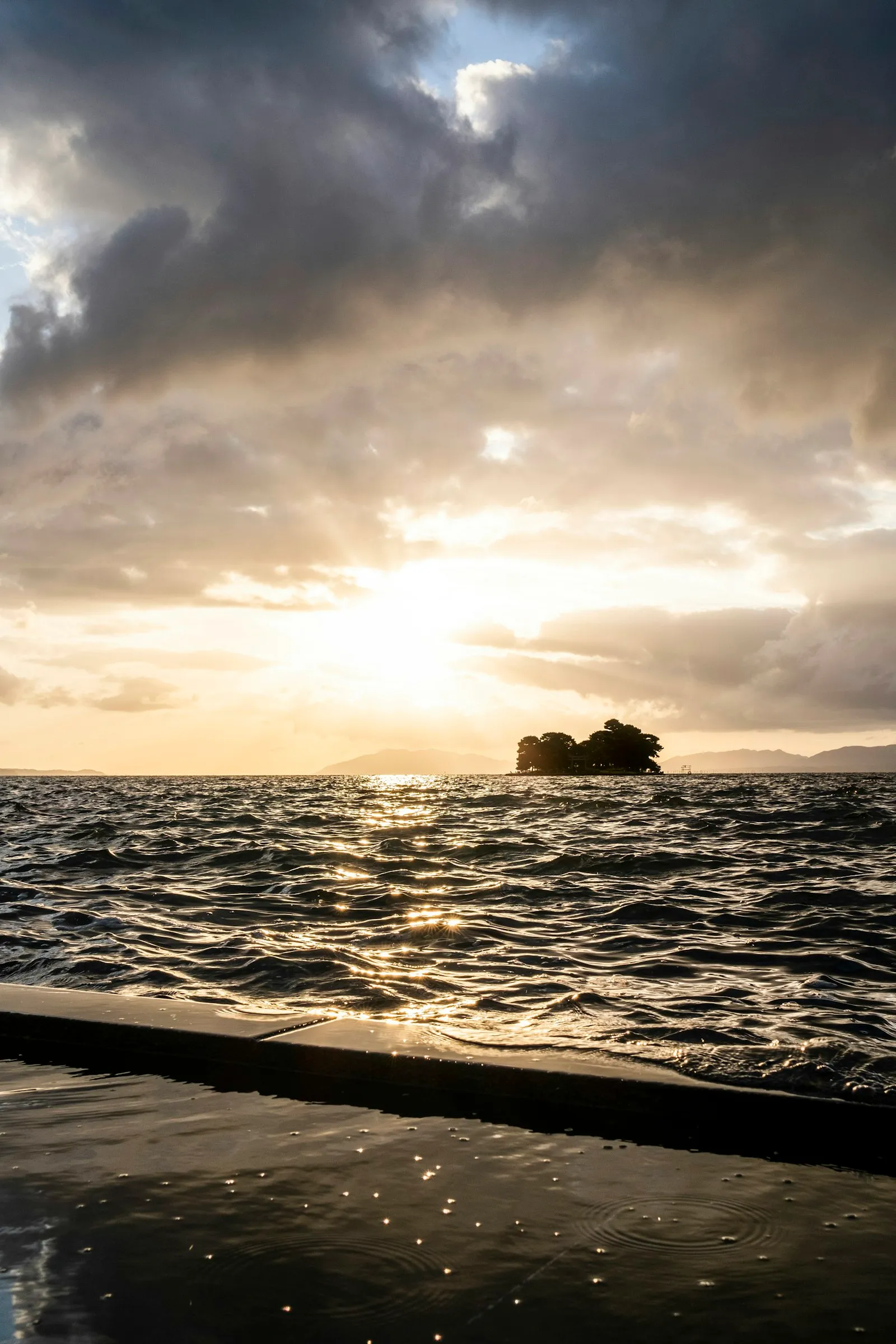
Lake Shinji (宍道湖) is one of Japan’s seven largest lakes and has been named one of the country’s 100 Best Sunsets. The embankment path on the lake’s western shore and the lawn in front of the Shimane Art Museum are the most popular spots to watch the sunset. Time your visit for dusk, and the silhouette of the shoreline against the golden sky is truly picture-perfect.
4. Shimane Art Museum
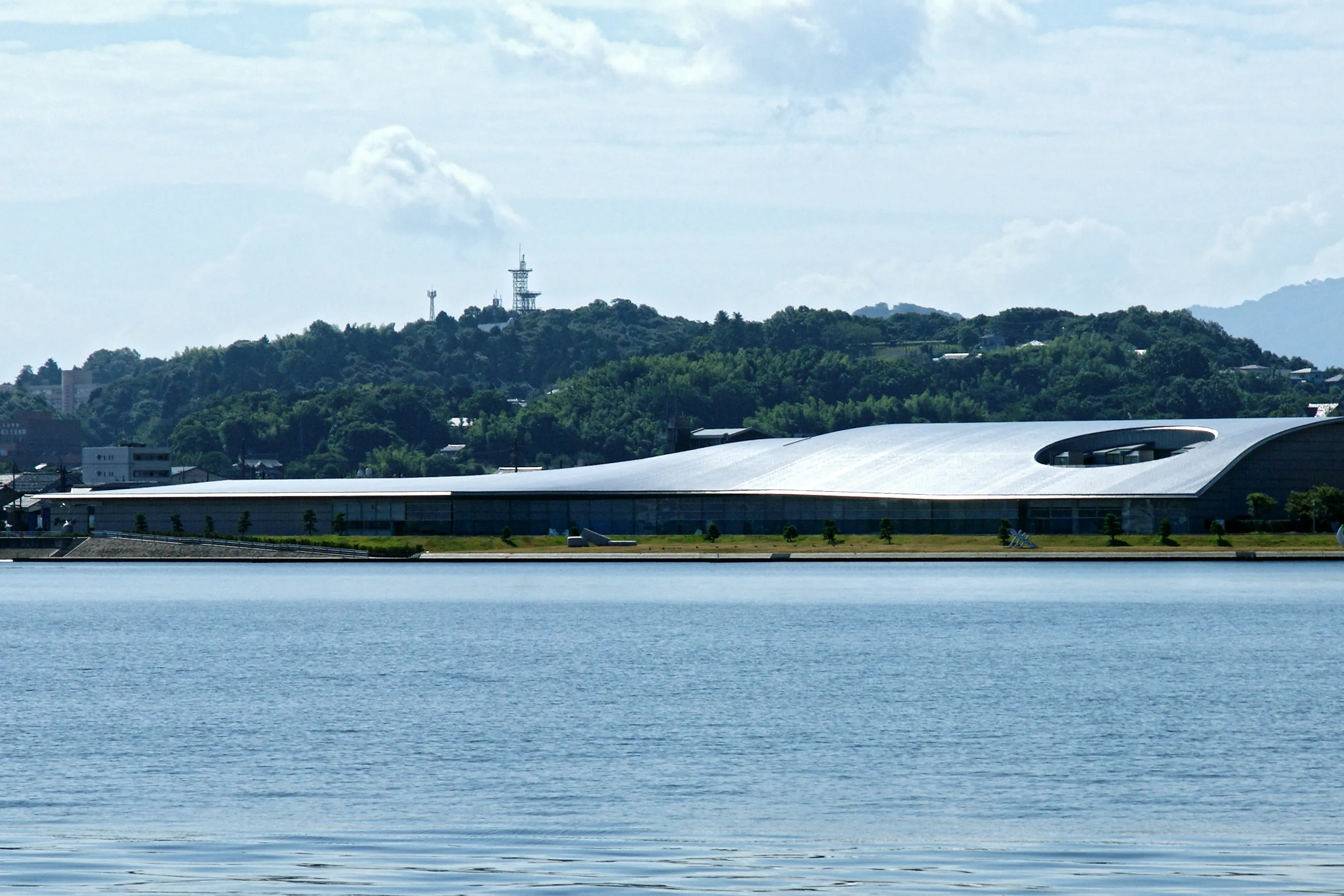
This art museum sits right next to Lake Shinji. The museum itself is worth a look, but the lakeside just in front of it is the best photo spot around sunset, so it fits nicely into a late-afternoon slot after visiting Matsue Castle.
5. Shiomi Nawate Samurai Street
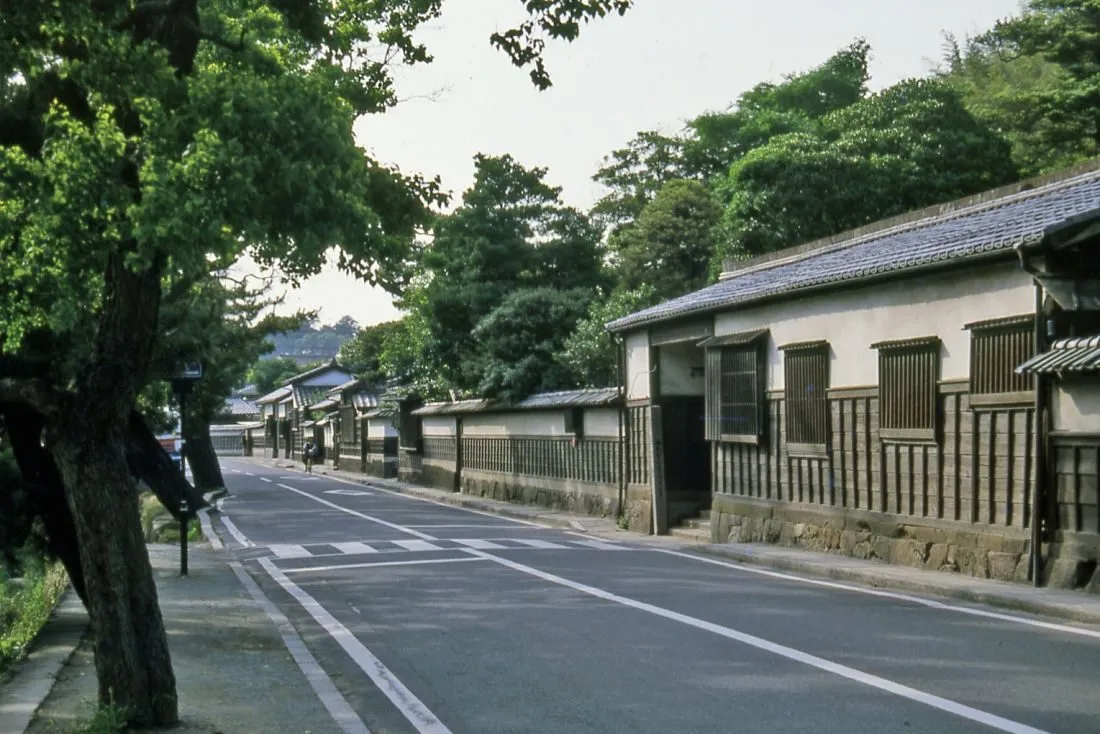
This street of old samurai residences runs north from Matsue Castle. The narrow lane, lined with earthen walls and pine trees, is so well preserved it feels like a movie set — just walking through makes you feel like you’ve stepped back into the Edo period. At the end of the street is the former home and memorial hall of the writer Lafcadio Hearn (Koizumi Yakumo).
6. Tamatsukuri Onsen — One of Japan’s Oldest “Beauty Bath” Hot Springs
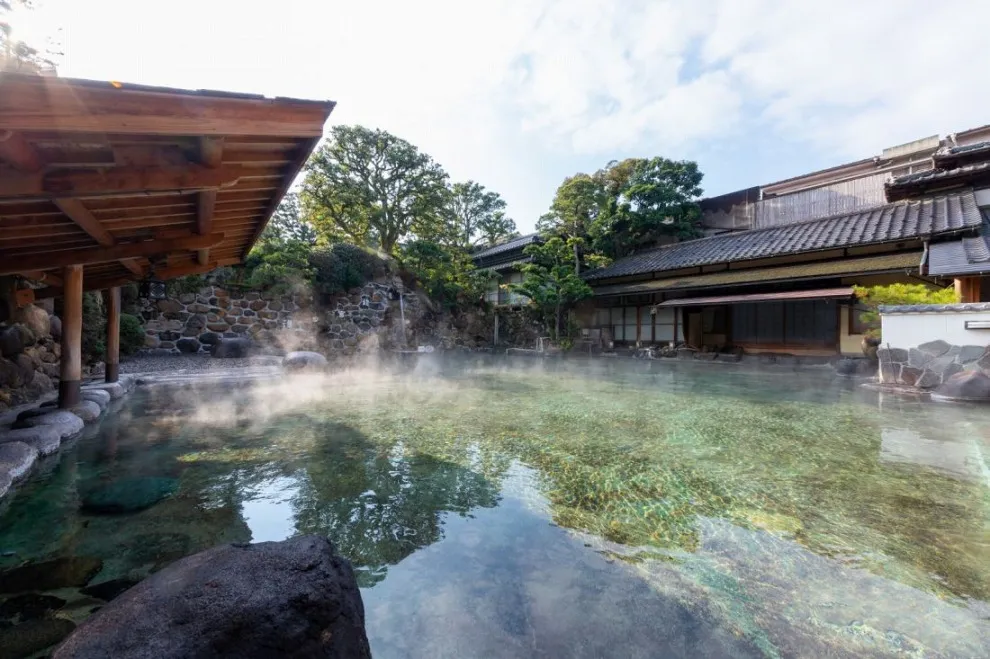
About a 20-minute drive from downtown Matsue, Tamatsukuri Onsen is a renowned hot spring with a history of more than 1,300 years. It’s said to be good for the skin, earning it the nickname “beauty bath” (美肌の湯). Many of the ryokan here offer day-use bathing, so it’s common to stop by in the evening after visiting Matsue Castle.
7. Matsue Vogel Park
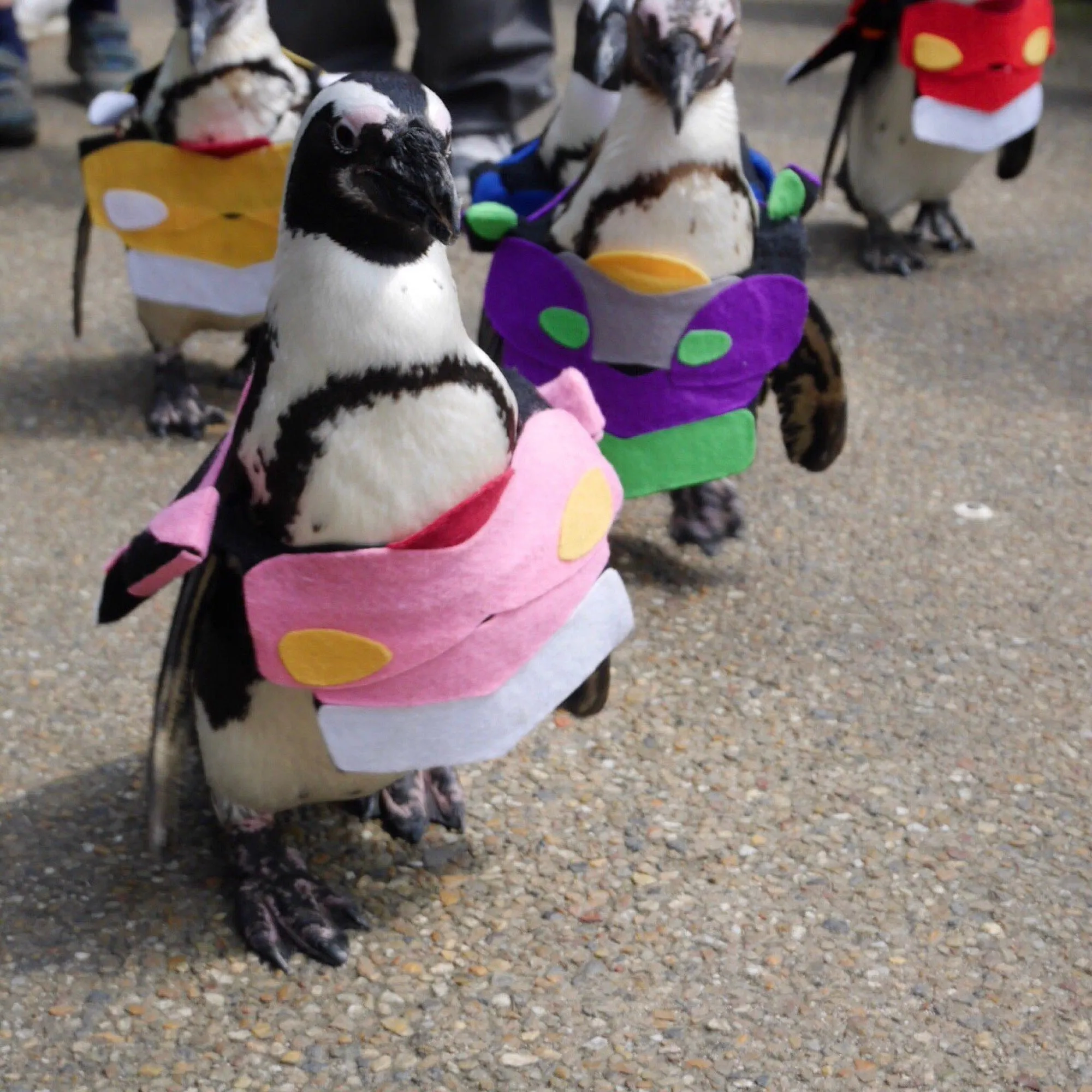
Located at the western end of Lake Shinji, this theme park is centered on birds and flowers. With greenhouses full of vivid begonias, fuchsias, and other flowers, plus experiences like penguin walks and owl flight shows, it’s a great option for family trips or as a backup plan on rainy days.
Recommended Day-Trip Course for Matsue
This is the most straightforward day-trip route for first-time visitors, assuming you start from Matsue Station or Tamatsukuri Onsen.
| Time | Stop | Notes |
|---|---|---|
| 09:00 | Climb Matsue Castle keep | Top priority, about 1.5 hours |
| 11:00 | Horikawa sightseeing boat (50 min) | Experience passing under the bridges |
| 12:30 | Stroll Shiomi Nawate + lunch | Samurai-district atmosphere |
| 14:30 | Shimane Art Museum | Includes the lakeside promenade |
| 17:00 | Watch the Lake Shinji sunset | One of Japan’s 100 best sunsets |
| 19:00 | Overnight at Tamatsukuri Onsen | Wrap up with the beauty bath |
If you’re traveling with family or have extra time, a good variation is to start the morning at Matsue Vogel Park and push Matsue Castle to the afternoon.
Getting to Matsue (From Korea)
The fastest ways to reach Matsue from Korea are either Incheon → Yonago Airport or connecting via Izumo Airport.
Incheon → Yonago Airport (YGJ)
Yonago Airport is about a 45-minute drive from Matsue. When direct flights from Incheon are operating, this is the fastest route, but flight availability varies by season, so it’s safest to double-check the airline’s official website before you leave.
Via Izumo Airport (IZO)
Izumo Airport is also about 45 minutes from Matsue. If there’s no direct flight from Incheon to Izumo, you can connect via a domestic Japanese flight (through Tokyo or Osaka). The airport-to-Matsue-Station shuttle bus takes about 30 minutes and costs around 1,300 yen.
Traveling by JR
From Osaka or Kyoto, the Limited Express Yakumo (やくも) on the JR San’in Main Line gets you to Matsue Station in about 3 hours 30 minutes. Using a JR pass, such as the San’in-San’yo Area Pass, can save you a significant amount on fares.
Pre-Trip Checklist
Matsue is a relatively small city even by Japanese standards, so there are a few things worth preparing in advance.
- Matsue Castle keep admission ticket — available for purchase on-site (800 yen for adults)
- Check the Horikawa sightseeing boat timetable — the last departure varies by season
- Check the sunset time over Lake Shinji — aim to arrive about 30 minutes before sunset on the day
- Getting around town: a 1-day Matsue Lakeline bus pass (loops around the main sights)
- If using connecting flights, confirm whether your baggage is checked through
- Book your Tamatsukuri Onsen accommodation in advance (often fully booked during peak season)
- Bring an umbrella and a light jacket — the San’in region sees frequent rain and wind
Hours, admission fees, and flight schedules can change with the season. Right before you leave, we recommend double-checking the latest information on the Shimane Prefecture official tourism site and the airline’s official website.
Frequently Asked Questions (FAQ)
Q. Is a day trip to Matsue enough?
If you’re covering Matsue Castle, the Horikawa boat tour, and the Lake Shinji sunset, a day trip works fine. However, if you also want to enjoy Tamatsukuri Onsen, we’d recommend an overnight, 2-day trip.
Q. Where’s a good place to stay in Matsue?
For first-time visitors, a business hotel near Matsue Station is convenient for getting around. If you want to enjoy a hot spring, a ryokan at Tamatsukuri Onsen is popular, and if you want a lake view, a ryokan at Lake Shinji Onsen (in downtown Matsue) is a good choice.
Q. Can I visit Matsue and Izumo Taisha together?
Yes — it’s about an hour from Matsue to Izumo Taisha by JR, so many travelers combine the two into one trip. On a 2-night itinerary, a common route is to spend the first day in Matsue and the second day at Izumo Taisha.
Q. Is English or Korean spoken in Matsue?
Major attractions like Matsue Castle, the Shimane Art Museum, and the Horikawa boat tour offer Korean/English information. English may not be widely understood at restaurants or in the smaller back streets, so it’s reassuring to have a translation app installed beforehand.
Q. When’s the best season to visit Matsue?
Cherry blossom season (late March–early April), the fresh greenery of May–June, and the autumn leaves in November are the most beautiful times to visit. Winter (December–February) has its own charm, with misty lake views and matsuba crab (松葉ガニ) dishes, but you’ll need to prepare for cold and wind.