 EasyTicket
 Plan your Takayama day around Miyagawa Morning Market in the morning, Sanmachi Suji by day, and Hida beef in the evening to enjoy the town’s old-world charm and local food in a natural flow.
✅ Starting with Miyagawa Morning Market
What time should I arrive?
Miyagawa Morning Market is open every day: April~November, 7:00~12:00; December~March, 8:00~12:00. To allow for stall setup and early sellouts, aim to arrive around 7:00 in summer and around 8:00 in winter. The market runs for about 700 m along the Miyagawa River, and it’s about a 10-minute walk from Takayama Station. (Source: Hida Takayama Official Travel Guide)
How much should I eat in the morning?
Browse the vegetables, fruit, pickles, and handicrafts first, then limit yourself to one or two snacks. Since dinner is the focus of a Takayama trip, it’s better to take in the market atmosphere and local ingredients than to fill up first thing in the morning.
Sanmachi Suji is next to the market, so you can walk there directly without arranging separate transport.
📌 Recommended walking order for Sanmachi Suji Old Street
Head from Kajibashi to the traditional shopping street
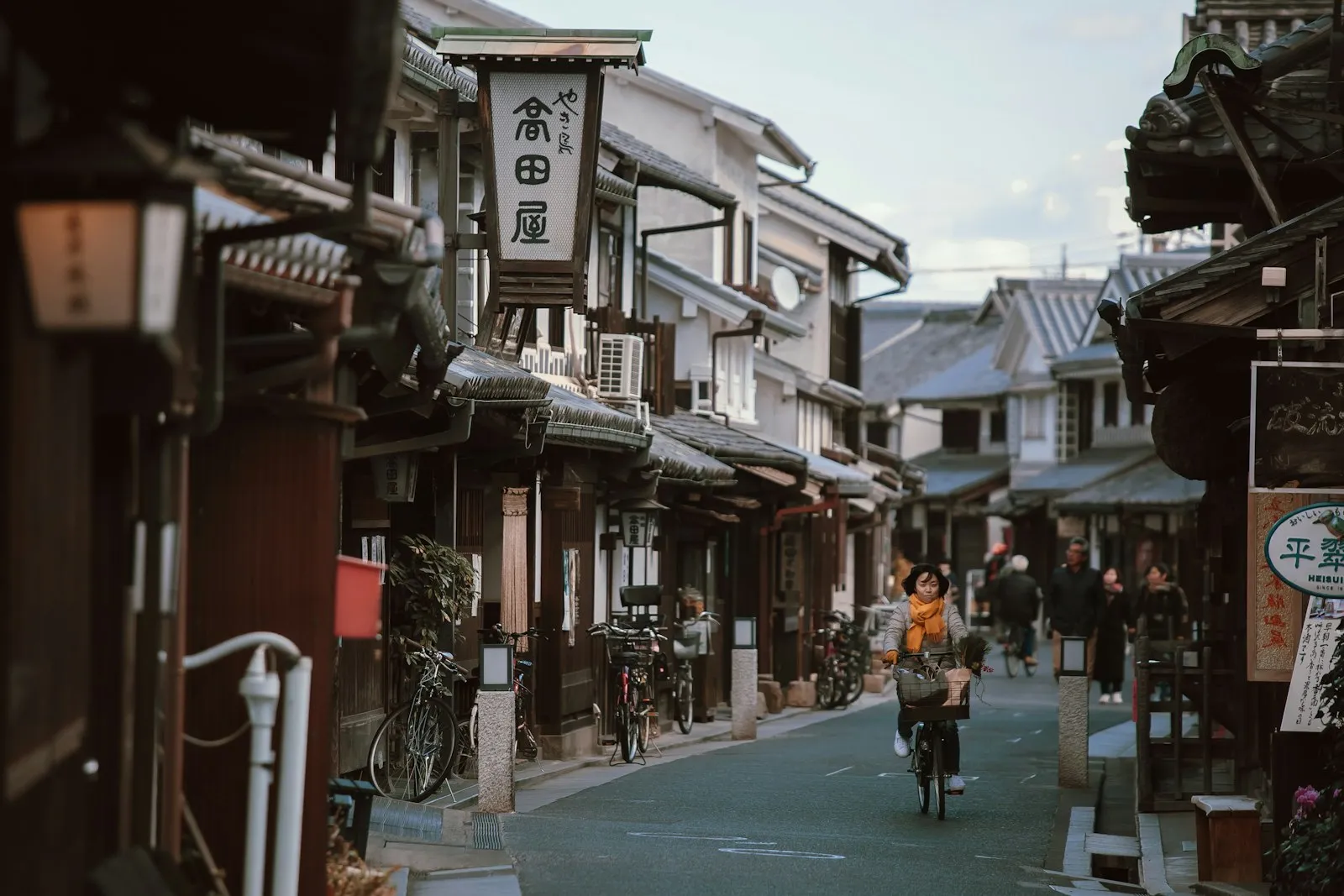
If you leave the market from the Kajibashi side and head into Sanmachi Suji, you won’t double back. This area developed as a merchants’ town and is designated as an Important Preservation District for Groups of Traditional Buildings. Take your time looking at the wooden houses with lattice doors and the water channels beneath the eaves.
Split snacks and breweries between the morning and afternoon
In Sanmachi Suji, you’ll find beef sushi, skewers, dumplings, and soy-sauce dango; the official tourism guide lists seven traditional breweries. If you’re planning Hida beef for dinner, stick to dango or one small snack and perhaps one café during the day.
💰 How to choose Hida beef for dinner and compare prices
Check the official labeling first
Hida beef comes from Japanese Black cattle raised by registered farms. The cattle must spend the longest part of their rearing period in Gifu Prefecture, be raised for at least 14 months, and have a meat-quality grade of 3~5. Meat that meets all four conditions receives a certification label showing its grade and individual identification number.
Set your dinner budget by menu style
Official menu examples checked in September 2026 are below. If you’re watching your budget, choose the braised beef; if you want to compare the meat itself, go for the 150g steak.
| Example dinner menu | Price | With set |
|---|---|---|
| Braised beef | 3,080 yen | 4,180 yen |
| Sirloin steak, 150g | 7,150 yen | 8,250 yen |
| Tenderloin steak, 150g | 8,800 yen | 9,900 yen |
The set add-on is 1,100 yen and includes soup, salad, rice or bread, dessert, and coffee. Recheck each restaurant’s menu and opening days before booking.
💳 Travel prep and costs: passes, currency exchange, cards, and eSIM
Compare a transit pass with individual bus fares
If you’re combining Nagoya, Takayama, Toyama, and Kanazawa, consider the Takayama-Hokuriku Area Tourist Pass. It costs 19,800 yen for adults, is valid for five consecutive days, and can be used for up to six reserved-seat rides. (Source: official Tourist Pass guide)
If you’re only making a Takayama round trip, the express bus from Nagoya costs 3,600 yen one way, or 3,300 yen with the web discount, and takes about 2 hours 45 minutes. Compare that with the 6,600-yen basic web round-trip fare and the pass price before deciding.
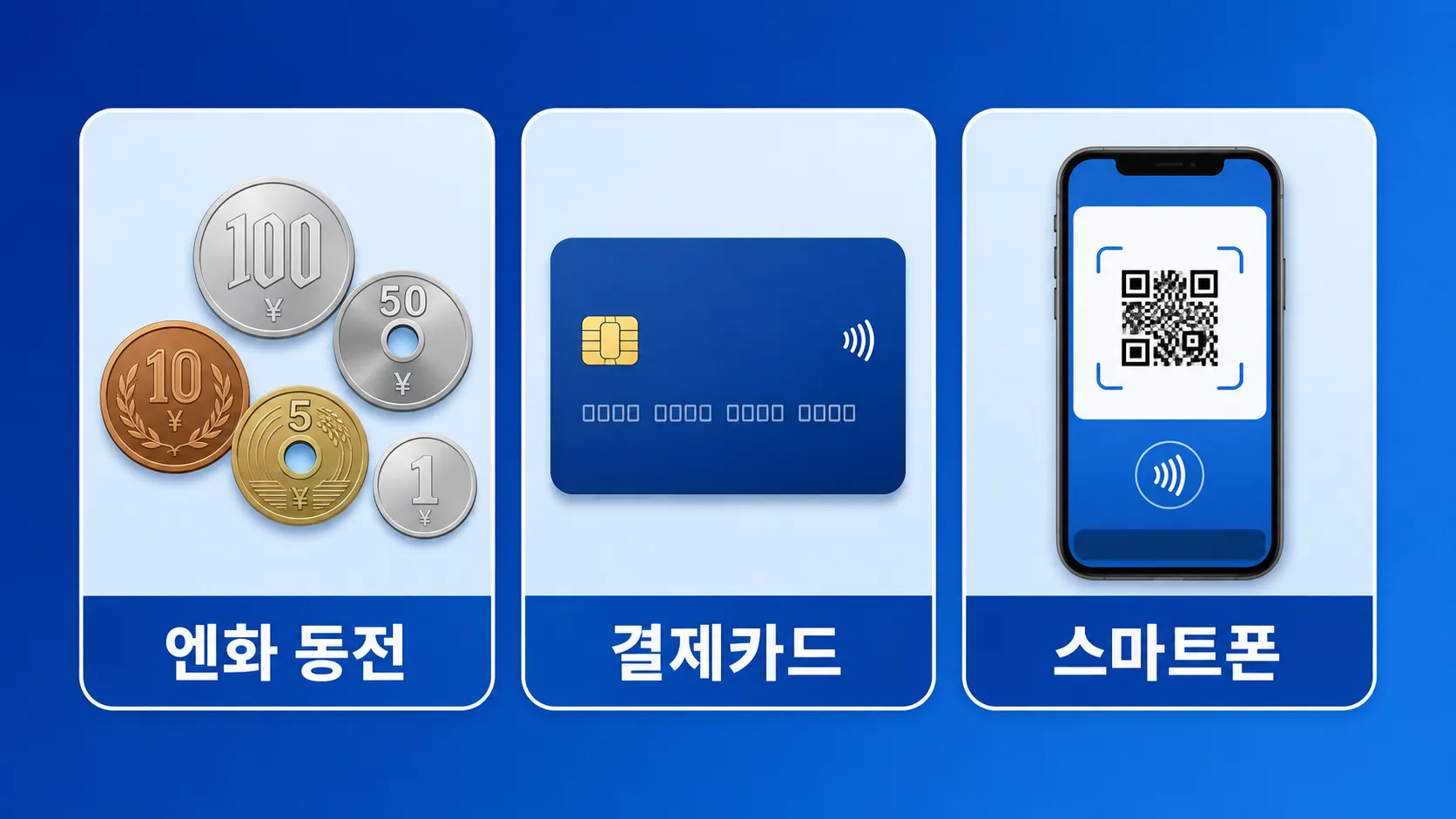
Prepare cash and a travel card
International-brand cards are accepted at major facilities, but some small shops take cash only. In particular, regular-route Nohi Bus vehicles don’t accept credit cards, smartphone payments, or transit IC cards, so keep some small-denomination yen notes on hand. You can withdraw cash at Seven Bank and Japan Post Bank ATMs.
Check whether your device supports eSIM and how to install it before leaving the country, and save the QR instructions offline. Don’t rely on a single travel card; splitting your funds between two cards enabled for overseas payments and cash makes it easier to handle payment errors.
🎯 See the day’s itinerary and costs at a glance
A food-focused route by time of day
| Time | Plan | Recommended stay |
|---|---|---|
| 07:30 or 08:00 | Miyagawa Morning Market | 60 minutes |
| 09:15 | Sanmachi Suji walk | 2 hours |
| 11:30 | Dango and a light lunch | 60 minutes |
| 14:00 | Breweries and a café | 2 hours |
| 17:30 | Reserved Hida beef dinner | 90 minutes |
When planning an itinerary, it’s easy to schedule the restaurant first. This route flows best when you use the market’s opening hours as your anchor.
Pre-departure checklist
- Check the market’s seasonal opening time
- Reserve the dinner restaurant and preferred menu
- Compare the total cost of a pass and individual transit tickets
- Split up small-denomination yen notes and backup cards
- Check eSIM compatibility and save the QR code
⚠️ Takayama travel tips and FAQ
Is it okay to arrive at Miyagawa Morning Market after 11 a.m.?
It stays open until noon, but some stalls close early once they sell out. To see the market properly, arrive no later than 10 a.m.
How can I check whether Hida beef is certified in Sanmachi Suji?
Check the shop’s display and the certification label. The label shows the meat-quality grade, producer, individual identification number, and certification date. You can also look up the list of designated restaurants through the official council.
Can I pay a Nohi Bus fare with Suica?
Regular-route buses don’t accept transit IC cards, including Suica, or credit cards. Prepare cash or a ticket or free pass purchased in advance.
The key to this route is to sample a little at the morning market and old streets while saving room in your budget for dinner. Set your travel range, prepare your transit tickets and cash, and start your day in Takayama with ease.