 EasyTicket
 The basics of feeding a pet snail: mostly vegetables, given once a day, in the evening, plus calcium provided separately to keep the shell strong. If it’s your first time keeping one, it’s easy to get confused about how much to feed and which vegetables are safe — EasyTicket has broken down just the essentials for you.
How Often Should You Feed a Pet Snail?
Snails are nocturnal, so they become active and start feeding after the sun goes down. It’s best to time feedings around that rhythm.
Basic Feeding Rhythm
- Vegetables: once every evening, just a small amount they can’t quite finish
- Feed (snail-specific pellets): 1–2 times a week as a supplement
- Tofu (with the bittern rinsed out): about once a week for extra protein
- Calcium source: keep it available in the enclosure at all times
If food sits out for more than 24 hours, it can grow mold or attract fruit flies. Clear out any leftover vegetables the next morning.
Baby Snails Need More Frequent Feeding
Growing juvenile snails build shell fast, so their nutritional needs are higher. Feed them vegetables daily, and if you keep calcium somewhere they can reach every day, they’ll gnaw on it on their own.
Recommended Vegetables and Foods to Avoid
Snails happily eat most leafy greens and fruiting vegetables, but pungent, spicy aromatics should be avoided.
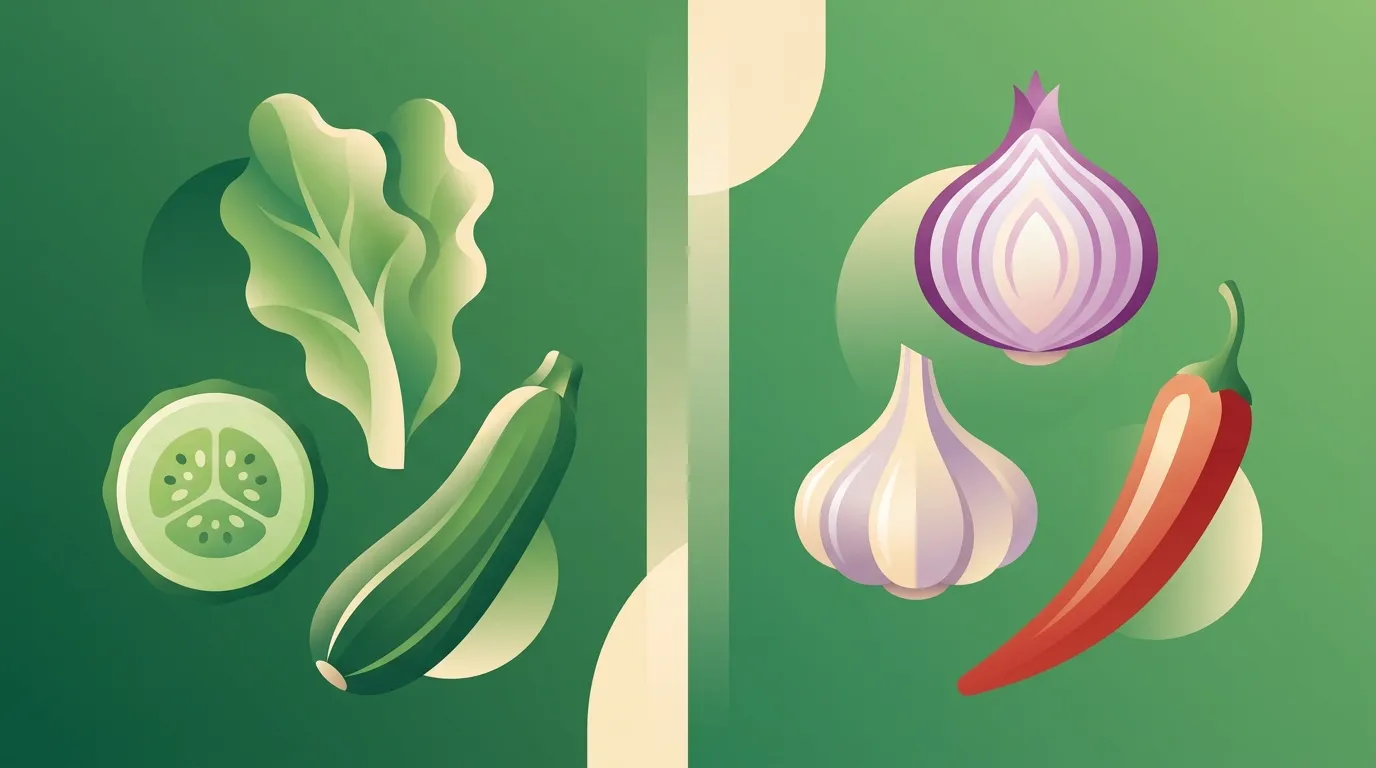
✅ Vegetables Snails Love
| Category | Recommended Vegetables | Notes |
|---|---|---|
| Leafy greens | Lettuce, napa cabbage, bok choy, kale | Safe all-around choice, high moisture |
| Fruiting vegetables | Cucumber, zucchini, squash | Especially well liked |
| Root vegetables | Carrot, sweet potato | Slice thin |
| Fruit | Apple, pear | Occasional small treat |
Rinse vegetables thoroughly under running water to remove pesticide residue, then shake off the excess water before feeding. If a vegetable is cold from the fridge, let it sit at room temperature for a bit first.
⚠️ Foods to Absolutely Avoid
- Onion, garlic, garlic chives, green onion — too pungent, risky
- Chili pepper, black pepper — the spicy compounds are harmful
- Salty or processed food — salt can be fatal to snails
- Citrus fruits (tangerine, lemon) — too acidic, hard on them
Salt causes immediate dehydration in snails. Never feed them seasoned side dishes or anything from your own table.
Calcium: The Key to Healthy Shells
A snail’s shell is made mainly of calcium carbonate. Without enough calcium, the shell grows thin, cracks, or fails to heal. That makes calcium just as important as food.
Recommended Calcium Sources
- Cuttlebone — rinse the salt out before use; the most common option
- Coral calcium / medium-grade calcium carbonate — sold at aquarium and reptile supply stores
- Mungyo carbonate chalk, white — a favorite recommendation in keeper communities
- Ground oyster shell — wash well and grind into powder
Many keepers say eggshell isn’t very effective. If you’re keeping snails seriously, it’s more reliable to keep cuttlebone or coral calcium available in a corner of the enclosure at all times.
Easy-to-Miss Habitat Care Tips
Even with good feeding, a poor environment will kill their appetite. You need to get the basics of the habitat right too.
Temperature and Humidity
- Ideal temperature: 18–25°C
- Humidity: 70–90% (mist once or twice a day with a spray bottle)
- Avoid direct sunlight and direct airflow from an air conditioner
Substrate and Cleaning
- For substrate, organic coco peat or leaf mold is recommended
- Remove waste and leftover food daily
- Replace the substrate entirely every 2–3 weeks
Before Bringing Home a New Snail
Wild-caught snails carry a risk of parasites such as rat lungworm (Angiostrongylus cantonensis). It’s best to get your snail from a breeder or shop; if you do bring in one you found outdoors, quarantine it separately and observe it closely for a while first.
Beginner Keeper Checklist
- Vegetables once every evening; clear leftovers the next morning
- Onion, garlic, chili pepper, and salt are absolutely off-limits
- Keep cuttlebone or coral calcium available in the enclosure at all times
- Maintain 70–90% humidity with a spray bottle
- Replace the substrate every 2–3 weeks
- Rinse new vegetables thoroughly under running water
- Never put human food or snacks in the enclosure
Frequently Asked Questions (FAQ)
Q1. My snail hasn’t eaten in days
Temperature or humidity may be out of range, or it could be about to molt. Start by checking the habitat, and try misting to raise the humidity. If it goes without eating for more than a week, you should also consider possible shell damage or illness.
Q2. Can I just feed pellets instead of vegetables?
You can, but it isn’t recommended. Fresh vegetables supply moisture and trace nutrients, so a combination of mostly vegetables plus pellets as a supplement works best.
Q3. Do I need to give calcium every day?
For adults, free-choice access (keeping it available at all times) is enough. That said, for growing juveniles or snails that have just laid eggs, it’s better to place it somewhere they can reach every day.
Q4. How often should I give tofu or fruit?
Tofu once a week (with the bittern thoroughly rinsed out) is enough, and fruit only needs to be an occasional small treat. Fruit is high in sugar, so feeding it too often can attract fruit flies.
In the end, feeding a pet snail comes down to balancing three things: a variety of vegetables, consistent calcium, and a stable habitat. It can feel a little fussy when you’re just starting out, but snails don’t take much hands-on care once you settle into a routine — so start with the simple habit of setting aside a piece of vegetable every evening.