 EasyTicket
 The real star of Dumulmeori at dawn isn’t the 400-year-old zelkova tree — it’s the river mist that slowly rises off the water. The short version: to capture both the mist and the sunrise together, the key is arriving 30 minutes before sunrise, and the mist forms best on spring and fall mornings when the day-night temperature swing is wide. You can get there without a car, and if you have half a day, you can add Semiwon to the trip too.
When Does the River Mist Form? (Best Time to Shoot)
This is where most people go wrong. The mist doesn’t form just any day. It rises off the surface of the water when there’s a big temperature difference between the river and the dawn air.
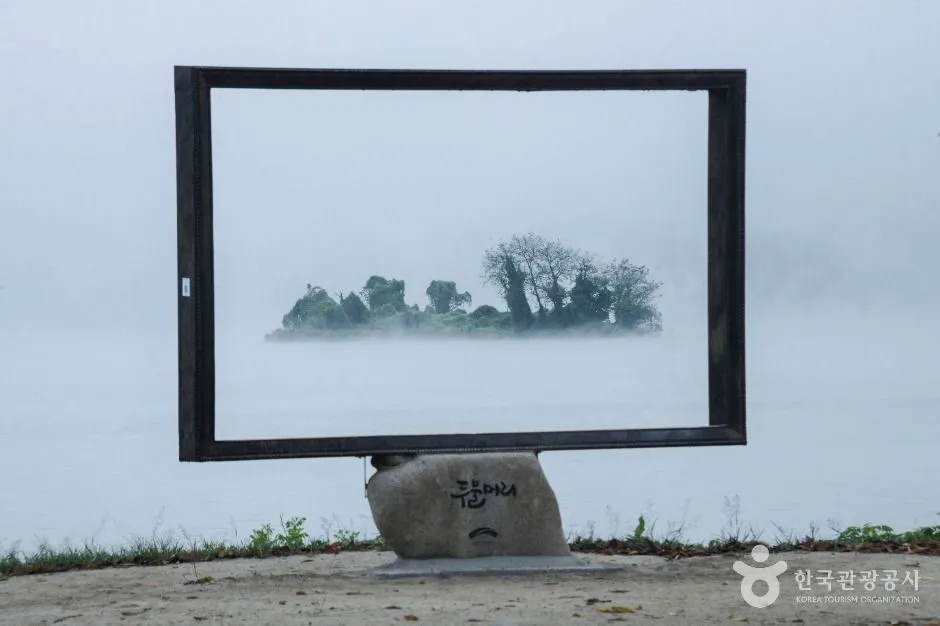
- Best season: Spring and fall mornings, when the day-night temperature swing is wide. September–November in particular has the highest odds of mist.
- Summer (July–August): Humidity is high, but the temperature swing is small, so the mist tends to be thin or barely form at all. This season pairs better with the lotus flowers at Semiwon instead.
- Weather conditions: The best days are when it rained the day before or humidity is high, followed by a clear morning with a sharp drop in dawn temperature. Strong wind scatters the mist.
Check the forecast the night before for dawn temperature, humidity, and wind speed. When all three line up — “clear skies + low dawn temperature + light wind” — the odds of mist go way up.
On days with a wide temperature swing, the thick mist lingers longer, so you can keep capturing that dreamlike scene for a while even after the sun comes up.
Dawn Shooting Timeline (Arrive 30 Minutes Before Sunrise)
In summer, the sun rises over Dumulmeori around 5:30 a.m.; in winter, it’s after 7 a.m. Since it shifts by 30 minutes to an hour depending on the season, it’s best to check the sunrise time for your visit date first and work backward from there.
| Time (relative to sunrise) | What to Do | Shooting Notes |
|---|---|---|
| -40 min | Arrive, set up tripod | Dark blue hour, long exposure |
| -30 min | Check the mist, frame your shot | Zelkova tree + mist silhouette |
| -10 min | Sky starts turning red | Magic-hour gradient |
| Sunrise–+20 min | Sun rises | Backlit silhouette, golden light |
| +30 min and after | Mist thins out | Hwangpo sailboat, still water |
In practice, by around 6:40 a.m. professional photographers have often already claimed the best spots — competition for prime real estate is real. If you want a good spot, aim to arrive 30 minutes before sunrise.
Where to Shoot (3 Photo Spots)
Dumulmeori isn’t large, so the good spots are clear-cut. Just remember these three.
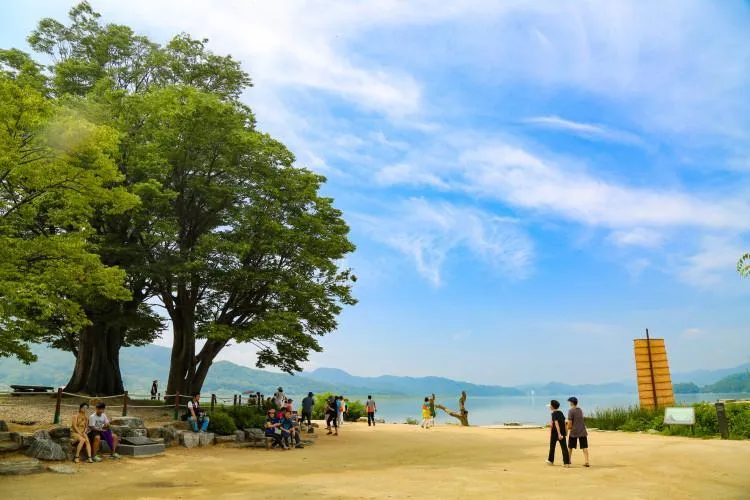
In Front of the 400-Year-Old Zelkova Tree
This is the symbol of Dumulmeori. Position the tree in the left or right of the frame and shoot its silhouette against the river and mist. When the tree lines up with the direction of sunrise (east), you get a backlit silhouette.
The Hwangpo Sailboat & Wish Tree Deck
The traditional yellow-sailed boat (hwangpo-dotbae) moored on the riverbank makes for a signature shot when paired with the mist. You can also use the line of the deck to frame a vanishing-point composition.
The Low Ground Along the Riverside Path
This low point lets you get down to eye level with the water. It’s a great spot to capture reflections on the surface when the mist settles in.
A wide-angle lens (16–35mm) is great for capturing the whole tree and sky, while a telephoto (70–200mm) compresses the boat and sun in the mist nicely. A tripod is essential for long exposures during the blue hour.
Getting There & Parking (Car-Free Friendly)
Dumulmeori is located at 145 Dumulmeori-gil, Yangseo-myeon, Yangpyeong-gun. Since you’ll be heading out before dawn, it’s important to sort out your transportation in advance.
- Public transit: Get off at Yangsu Station on the Gyeongui-Jungang Line → about a 15-minute walk. That said, the first train’s schedule can make it tight for a summer sunrise. Fall and winter, when sunrise comes later, actually work better if you’re going car-free.
- Parking (if driving):
- Public Parking Lot No. 5 (under the bridge piers): Free, close to Dumulmeori.
- Zelkova Tree Parking Lot: ₩3,000 per day, paid upfront.
- Public parking lot (7-2 Dumulmeori-gil): About a 10-minute walk to Dumulmeori.
Parking fees and whether it’s free can change depending on the season, so it’s worth checking before you go.
Pairing It with Semiwon for a Half-Day Trip
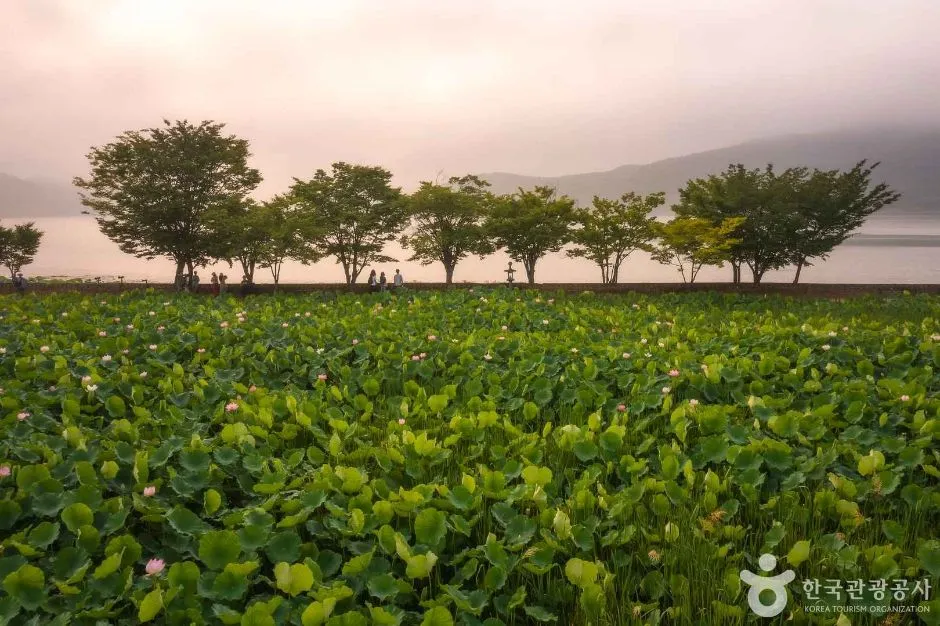
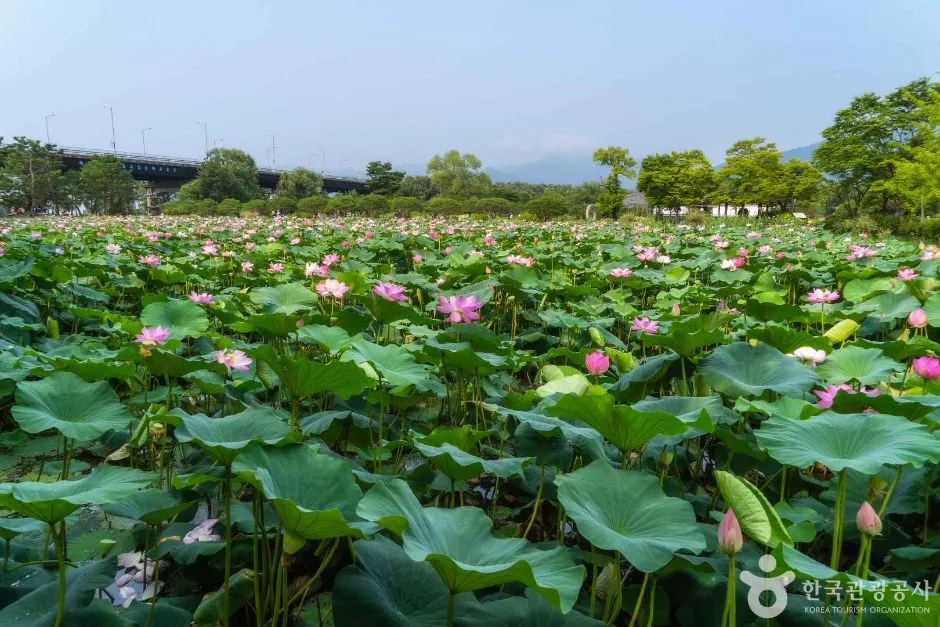
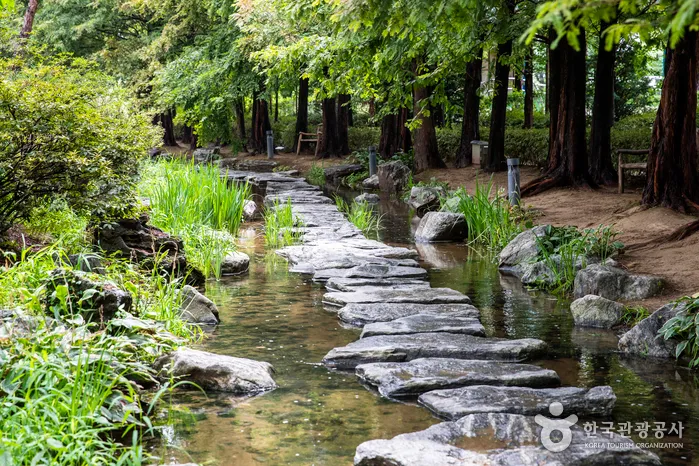
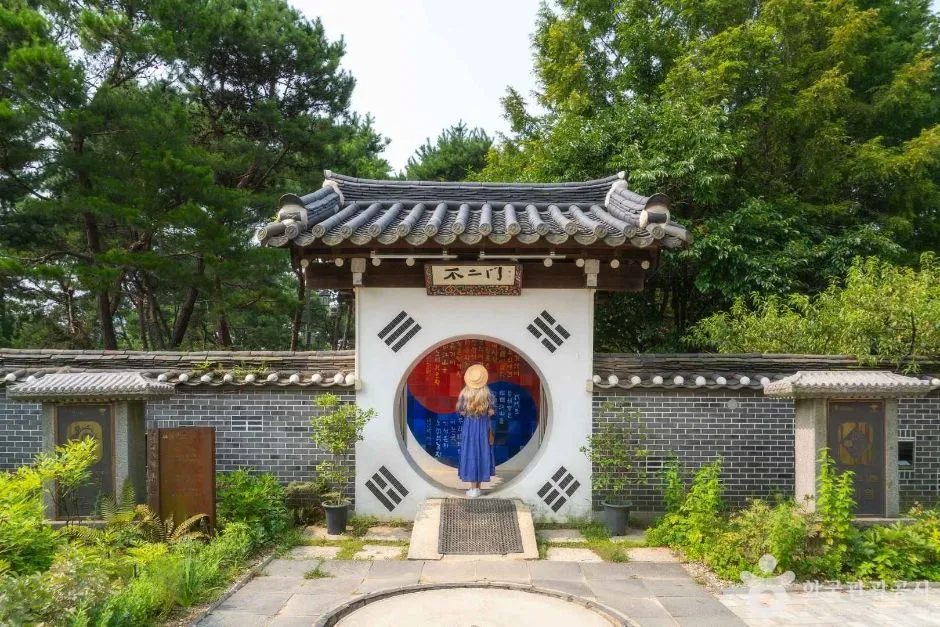
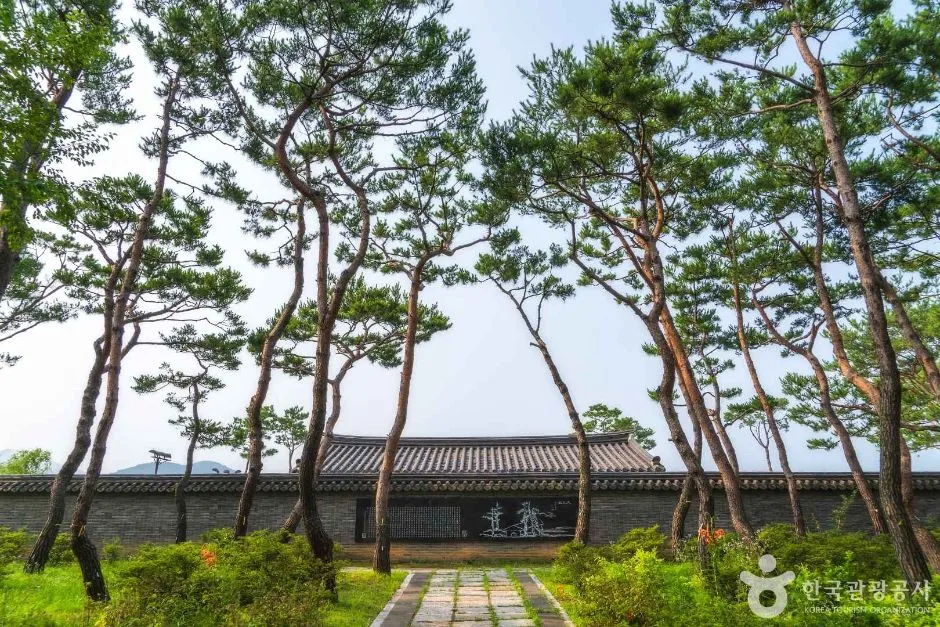
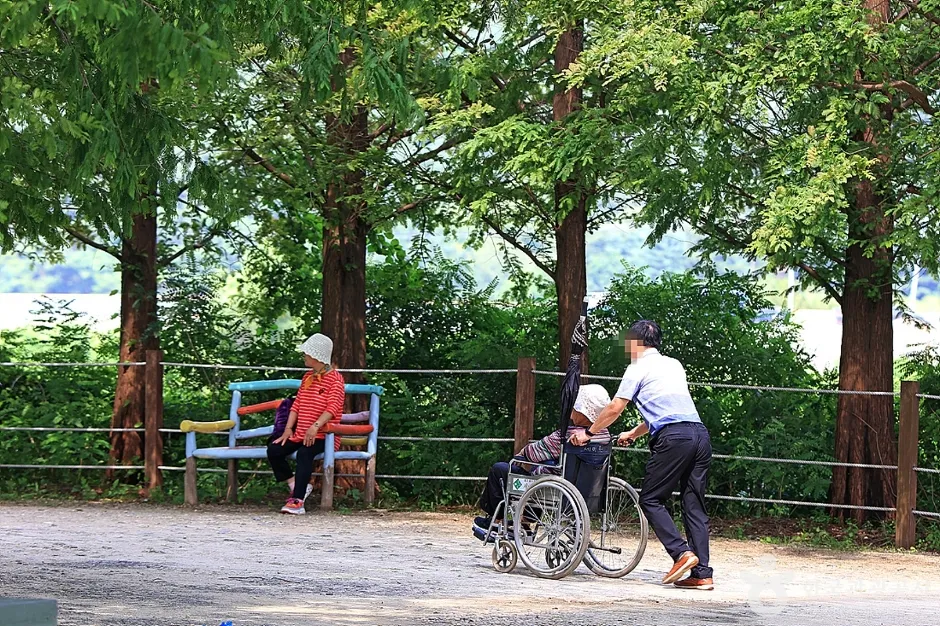
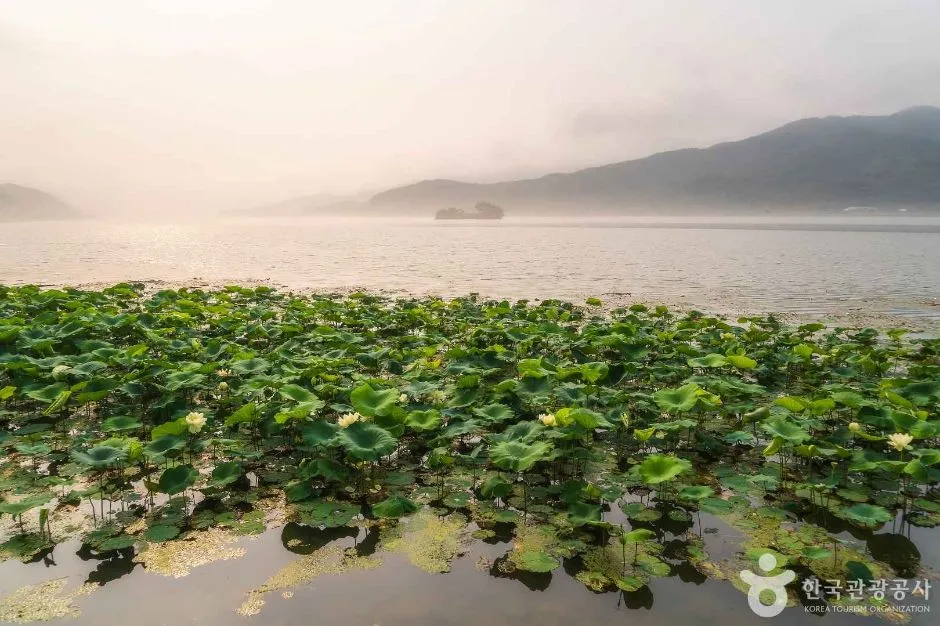
Once you’ve captured the mist at Dumulmeori, you’ll still have the whole morning left. Pairing it with Semiwon, which you can walk to, rounds out a half-day photo trip. Semiwon opens at 9:00 a.m. (8:00 a.m. during the Lotus Flower Festival), so it flows naturally right after your sunrise shoot.
| Category | Regular Season | Lotus Flower Festival |
|---|---|---|
| Hours | 09:00–18:00 | 08:00–20:00 (last admission 19:30) |
| Adult admission | ₩5,000 | ₩7,000 |
| Discounted (youth, seniors, etc.) | ₩3,000 | ₩4,000 |
The Lotus Flower Festival runs roughly from late June to mid-August, so in summer, switching your angle to lotus close-ups instead of the mist is also an option (source: Semiwon). On the other hand, if the mist is your main goal, a fall-morning Dumulmeori visit followed by Semiwon’s autumn foliage and ponds works well.
Pre-Visit Checklist
- Check the sunrise time for your visit date → work backward to arrive 30 minutes early
- Check dawn temperature, humidity, and wind speed the night before (mist conditions)
- Bring a tripod (essential for blue-hour long exposures)
- The riverside is chilly before dawn → pack a jacket
- Lenses: having both a wide-angle and a telephoto gives you more options
- If you’re continuing on to Semiwon, check the opening hours and admission fee in advance
Frequently Asked Questions (FAQ)
Will I miss the river mist if I visit in summer?
In summer, the small temperature swing means the mist is often thin or doesn’t form at all on many days. If the mist is your main goal, aiming for spring or fall mornings, when the temperature swing is wide, is the safer bet. In summer, switching your subject to Semiwon’s lotus flowers is a good alternative.
If I arrive at dawn, will the best spots still be free?
By 30 minutes before sunrise, professional photographers have often already set up their tripods. The spot in front of the zelkova tree in particular sees some competition, so if you want a good composition, arriving 40 minutes before sunrise is recommended.
I don’t have a car — can I still catch the dawn sunrise?
In summer, sunrise is around 5:30 a.m., which makes it tight even on the first train. In fall and winter, when sunrise shifts to around 7 a.m., the first train to Yangsu Station gets you there in plenty of time — making those seasons actually better if you’re going without a car.
Since the mist only forms when conditions align, don’t be discouraged if you don’t succeed on the first try. Aim for that trio of weather conditions — clear skies, low dawn temperature, and light wind — and try two or three times, and one of those mornings you’ll capture that scene: the mist lying low over the river as the red sun rises above it.
References
- Semiwon - Garden of Water and Flowers (Official Website)
- Tourist Attractions - Yangpyeong Tourism - Yangpyeong County Office
Image credits8
- 두물머리 (4) - 한국관광공사 (출처표시)
- 대표 이미지 - 한국관광공사 (출처표시)
- 세미원 (4) - 한국관광공사 (출처표시)
- 세미원 - 한국관광공사 (출처표시+변경금지)
- 세미원 (2) - 한국관광공사 (출처표시)
- 세미원 (3) - 한국관광공사 (출처표시)
- 세미원_8 - 한국관광공사 (출처표시+변경금지)
- 세미원 (5) - 한국관광공사 (출처표시)