 EasyTicket
 You can absolutely make the most of a 2-day, 1-night trip to Sokcho without a car. It’s about 2 hours 20 minutes from Seoul by express bus, and the key sights in downtown Sokcho are all connected by gaetbae (a rope-pulled ferry boat), city buses, and walking. This guide is built around getting there by public transit (car-free travel), with no wasted movement along the way — perfect for office workers who want to get away without the hassle of driving.
Getting to Sokcho — If You’re Going Car-Free, the Express Bus Is the Answer
The KTX doesn’t run directly into Sokcho, so if you’re relying on public transit, the express bus is the fastest and most convenient option. It takes about 2 hours 20 minutes from Seoul Express Bus Terminal (Central City) to Sokcho Express Bus Terminal, and about 2 hours 10 minutes from Dong Seoul Bus Terminal.
Fares vary by seat class. From Seoul, standard class runs about 16,400 KRW, deluxe class about 21,300 KRW, and premium class about 27,600 KRW, with a surcharge on late-night departures. Seoul Express Bus Terminal (Gyeongbu and Yeongdong lines) runs roughly 40 departures a day, with the first bus at 06:00 and the last at 23:30; Dong Seoul Bus Terminal runs about 14 departures a day.
Seats fill up fast on weekends and holidays. Booking ahead through the ‘Express Bus Integrated Reservation’ website or the ‘Bus T-money’ app will save you the stress.
| Departure Point | Travel Time | Fare (Standard/Deluxe) | Departures |
|---|---|---|---|
| Seoul Express Bus Terminal | About 2 hr 20 min | 16,400 KRW / 21,300 KRW | ~40/day |
| Dong Seoul Bus Terminal | About 2 hr 10 min | Varies by class | ~14/day |
Once you get off at the Sokcho terminal, you can cover most of the route on foot or by city bus — exactly why it’s such a great place to visit car-free.
Day 1 Afternoon — Starting with Dakgangjeong at the Tourist & Fisheries Market
If you’re arriving around lunchtime, your first stop should be the Sokcho Tourist & Fisheries Market (formerly Jungang Market). It’s close to the terminal, and with Sokcho’s food scene concentrated in one place, it’s ideal for a car-free route.
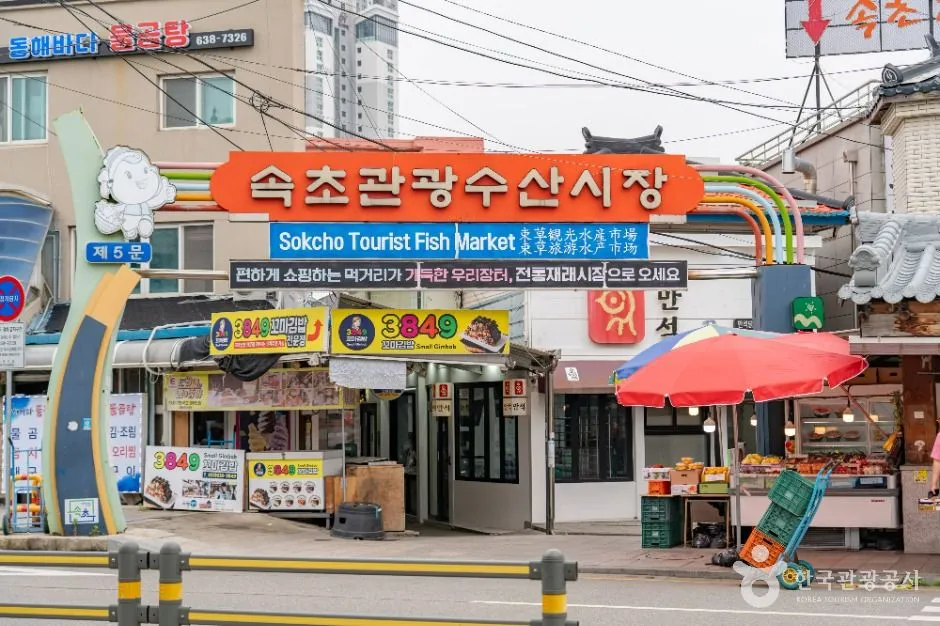
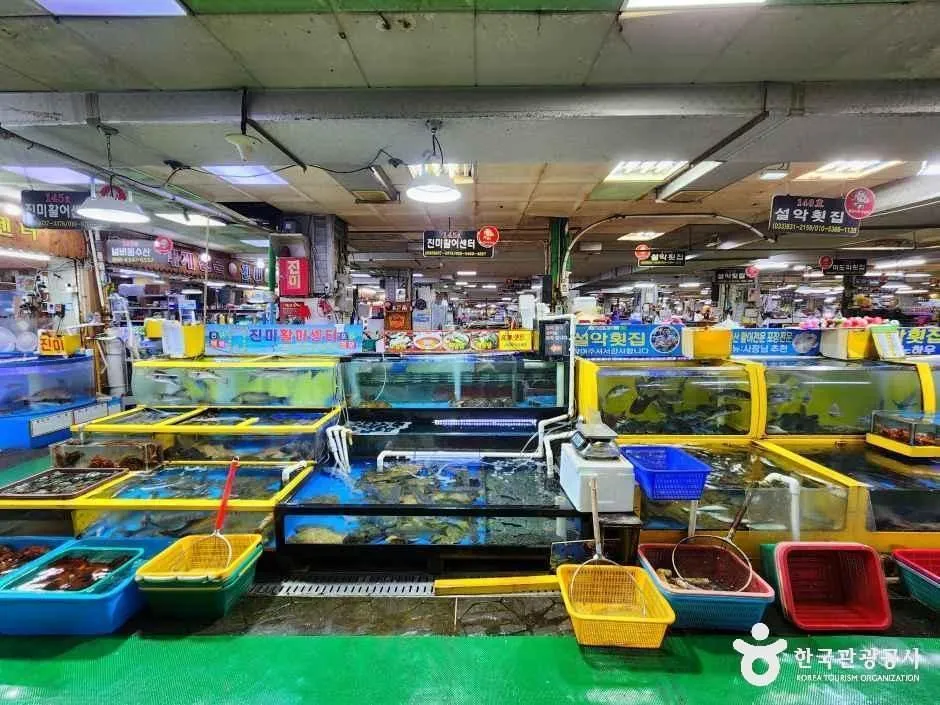
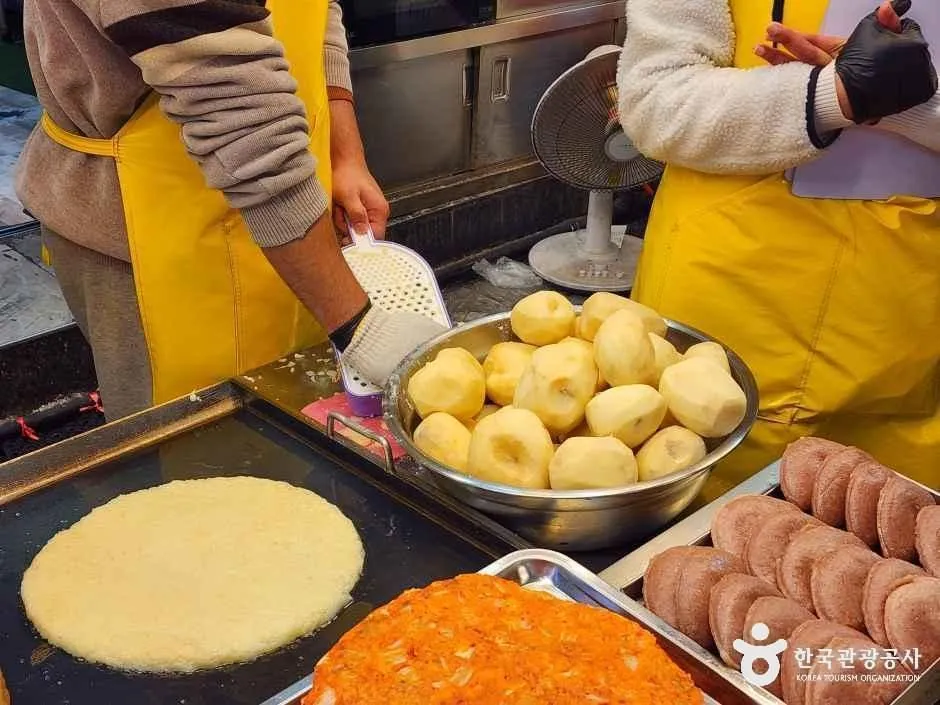
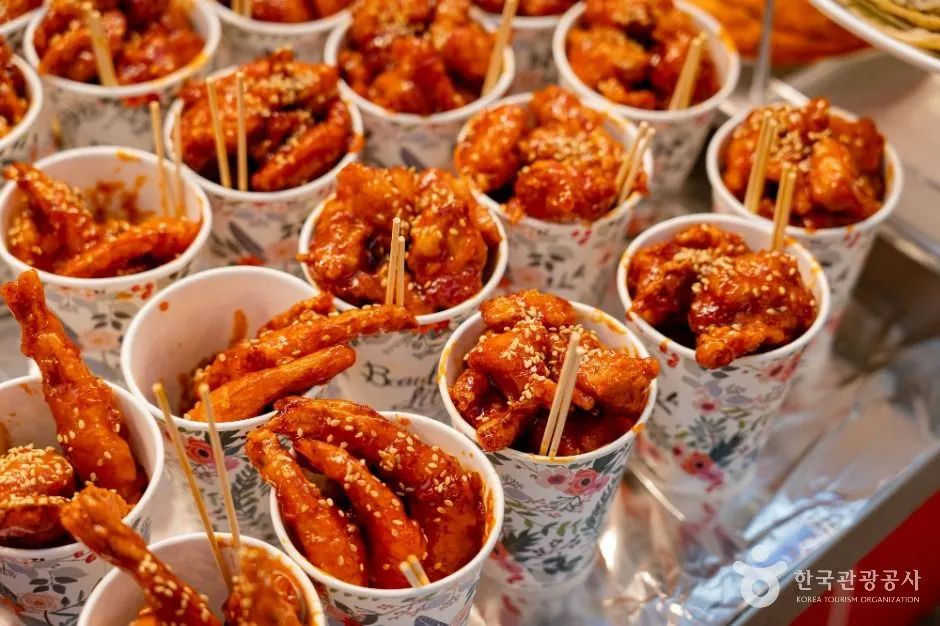
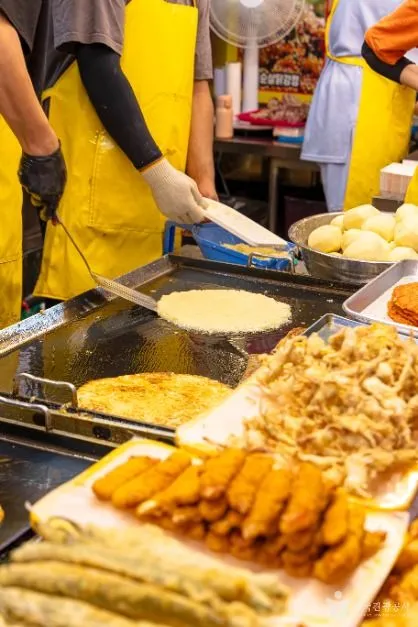
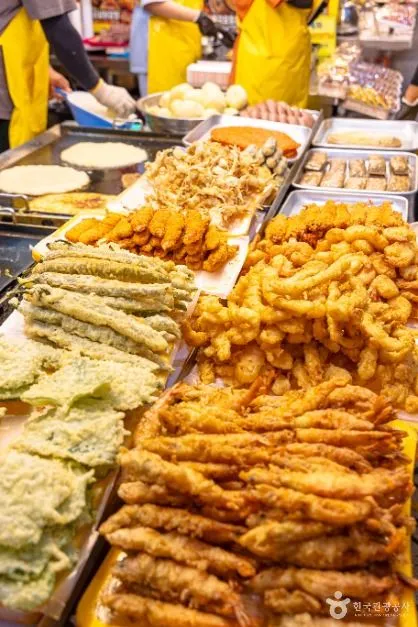
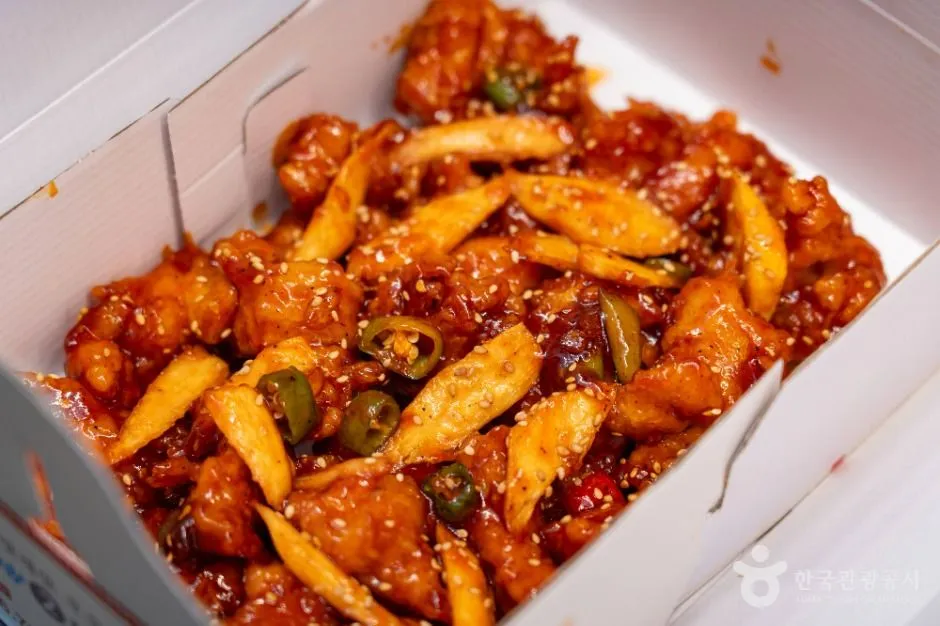
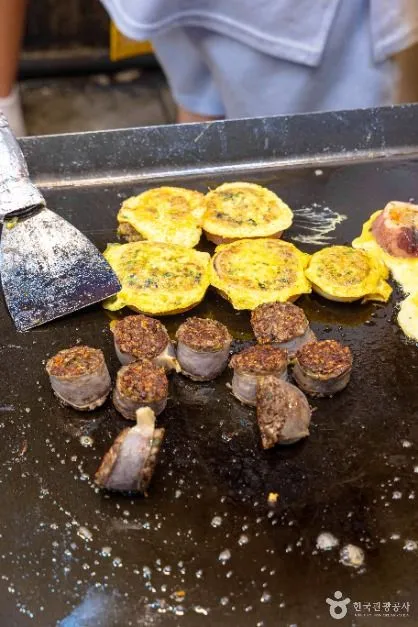
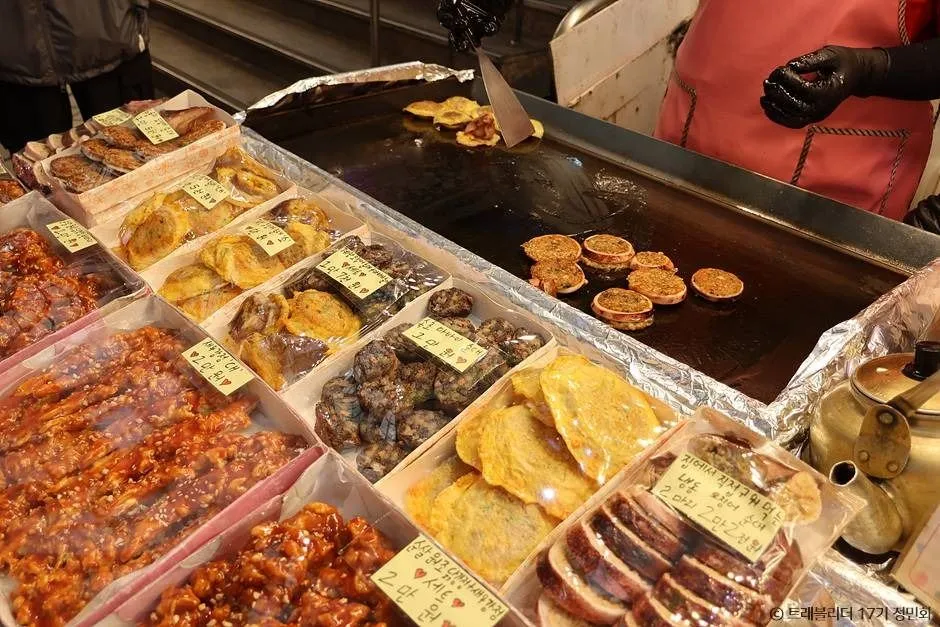
The market generally operates from 08:00 to midnight (hours vary slightly by stall). Its unmistakable highlight is Dakgangjeong Alley. Crispy, sweet-and-spicy Sokcho-style dakgangjeong (a glazed fried chicken snack) is famous nationwide, so even with a long line, you’ll likely end up buying a box. Snacks like sulppang (rice yeast cake), ojingeo sundae (stuffed squid sausage), and hoe (raw fish) are also great to try along the way.
Once you’ve explored the market, continuing on foot to the nearby gaetbae dock keeps the route flowing naturally.
Crossing to Abai Village by Gaetbae
The gaetbae is practically a symbol of a Sokcho trip. It’s an engine-free boat that passengers pull across a narrow channel — where Cheongcho Lake meets the sea — by hand, using a steel cable, and it reaches Abai Village (Cheongho-dong) in just a few minutes.
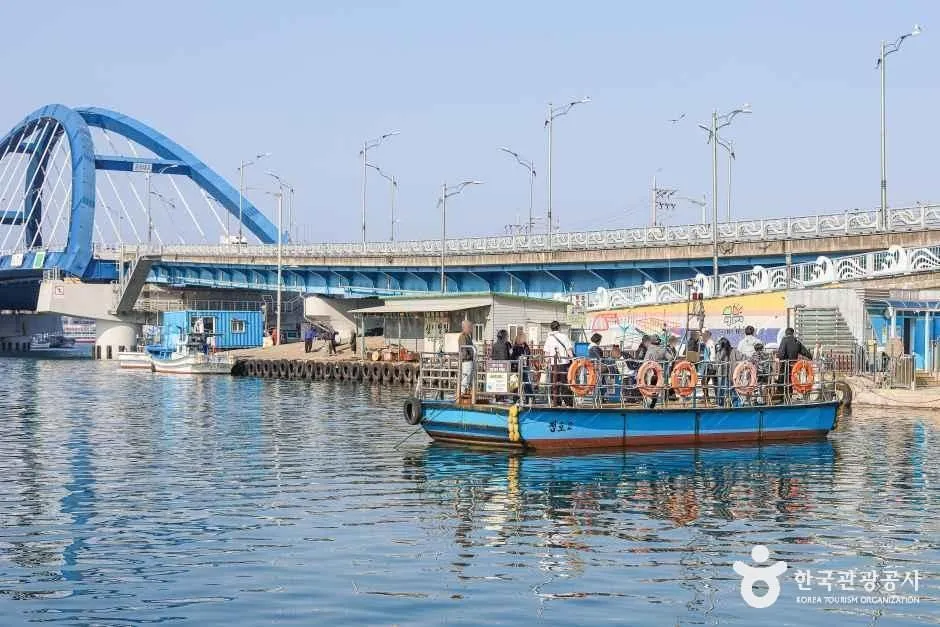
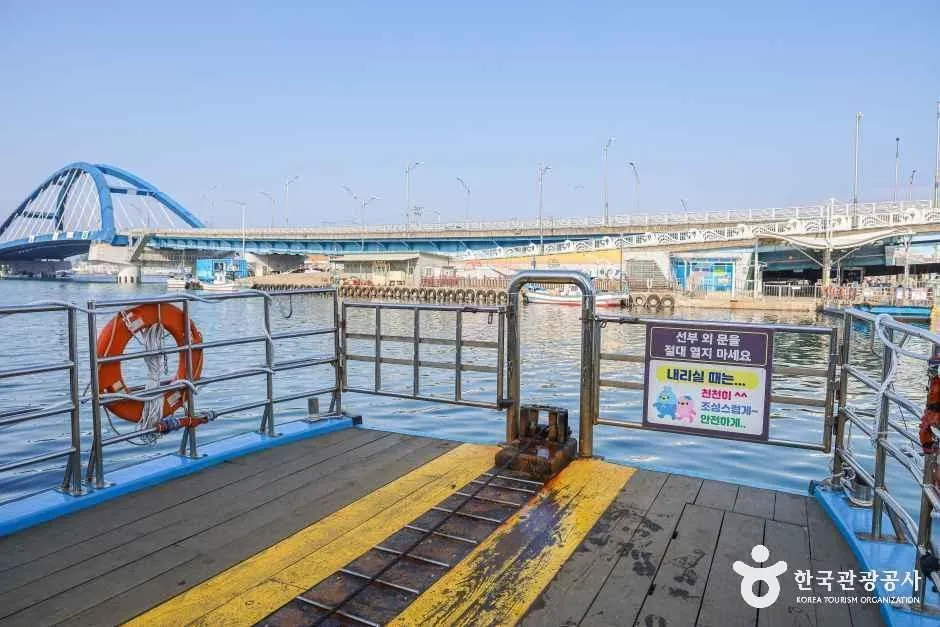
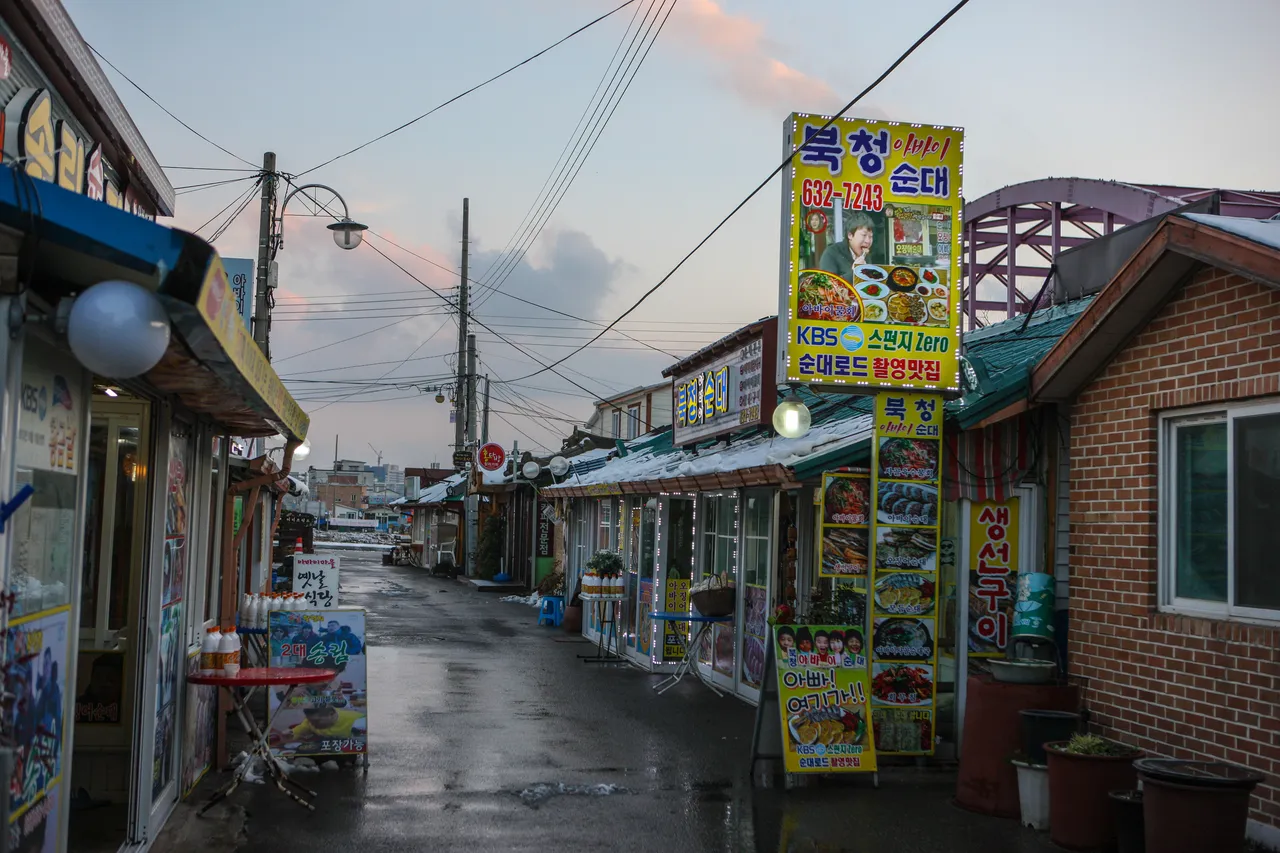
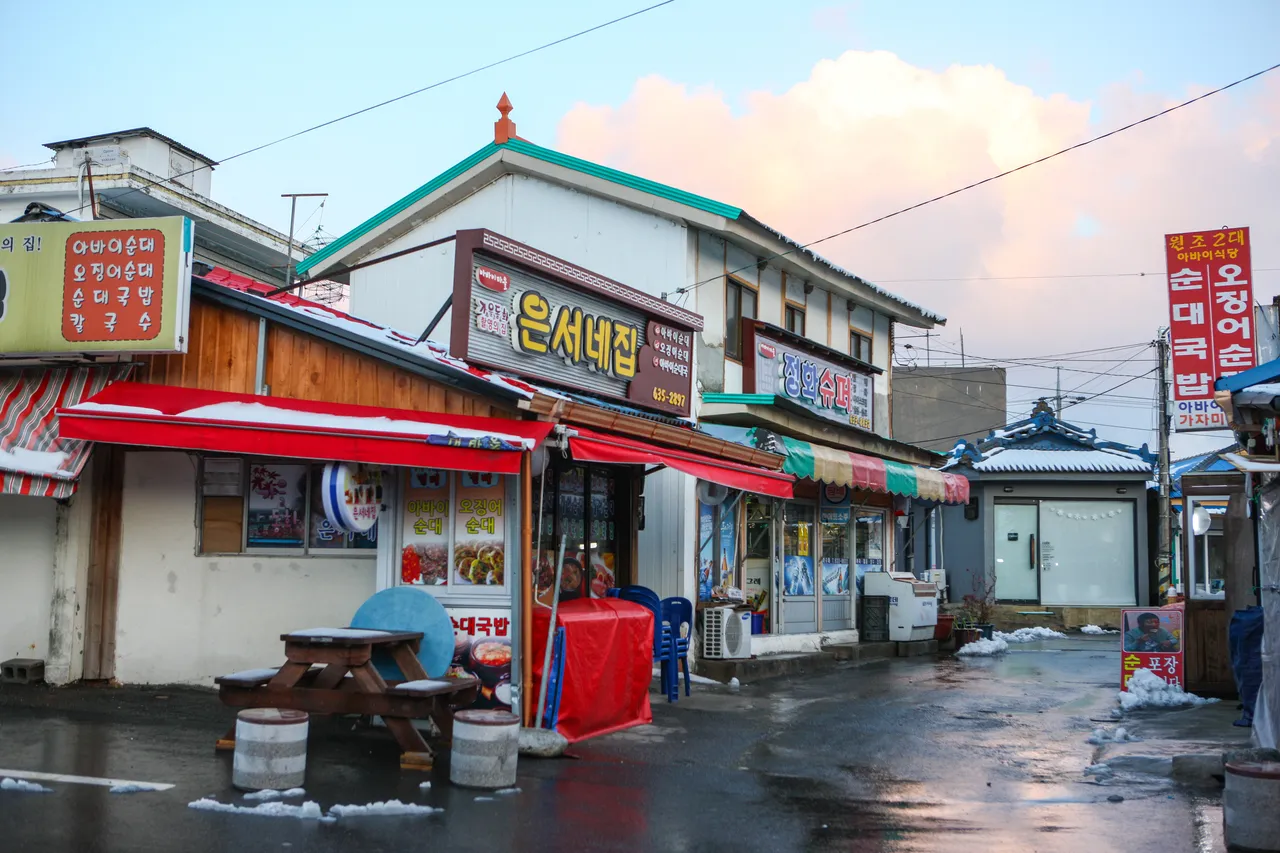
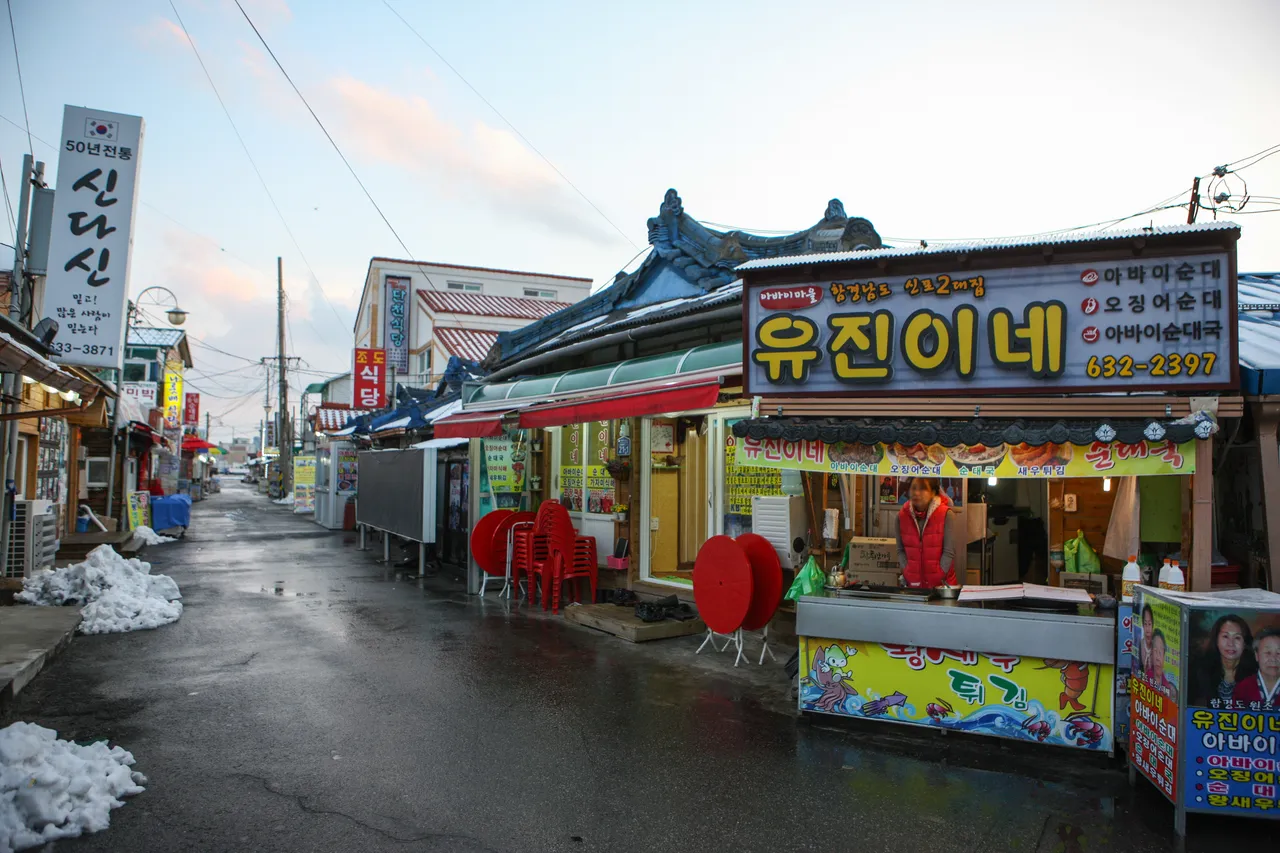
The fare is genuinely cheap. One-way is 500 KRW for adults and 300 KRW for children (elementary school age), with bikes and handcarts also priced at 500 KRW each. Operating hours are 05:00–23:00 from May to October, and 05:30–22:30 from November to April. That said, service can stop depending on the weather, so it’s safer to check ahead on days when conditions look bad.
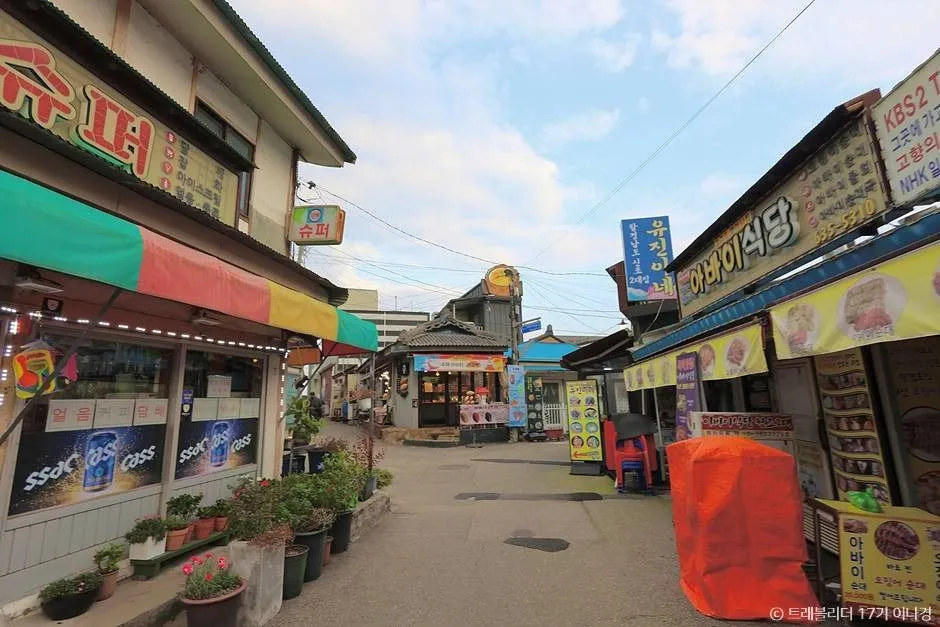
Abai Village was settled by displaced people from Hamgyong Province during the Korean War. Dishes like abai sundae (a local blood-sausage specialty), ojingeo sundae (squid sausage), and gajami hoe-naengmyeon (flounder sashimi cold noodles) — recipes carried over by those displaced families — are the real draw here. One ride on the gaetbae, and you’ll find flavors quite different from what’s at the market.
Have dinner in Abai Village before heading to your accommodation, and Day 1 wraps up nicely.
Day 2 Morning — Sunrise at Yeonggeumjeong, Then the Seoraksan Cable Car
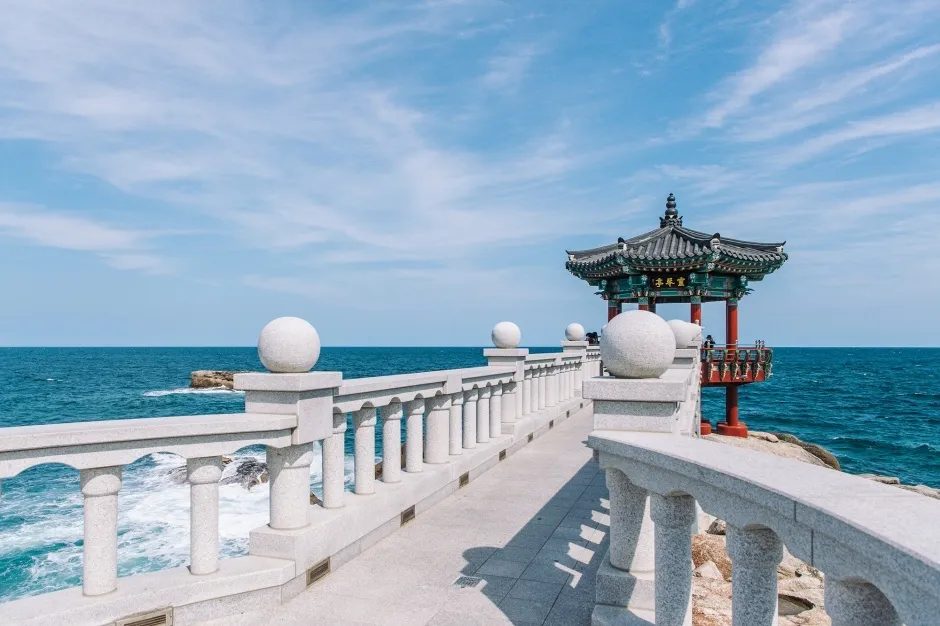
We’d recommend getting an early start on Day 2. Yeonggeumjeong is a rocky coastal area beneath Sokcho Lighthouse, named for the way waves crashing against the rocks are said to sound like a geomungo (a traditional Korean zither). It’s open 24 hours, making it a popular pre-dawn sunrise spot for photographers too. If your accommodation is in town, you can reach it on foot or with a short bus ride.
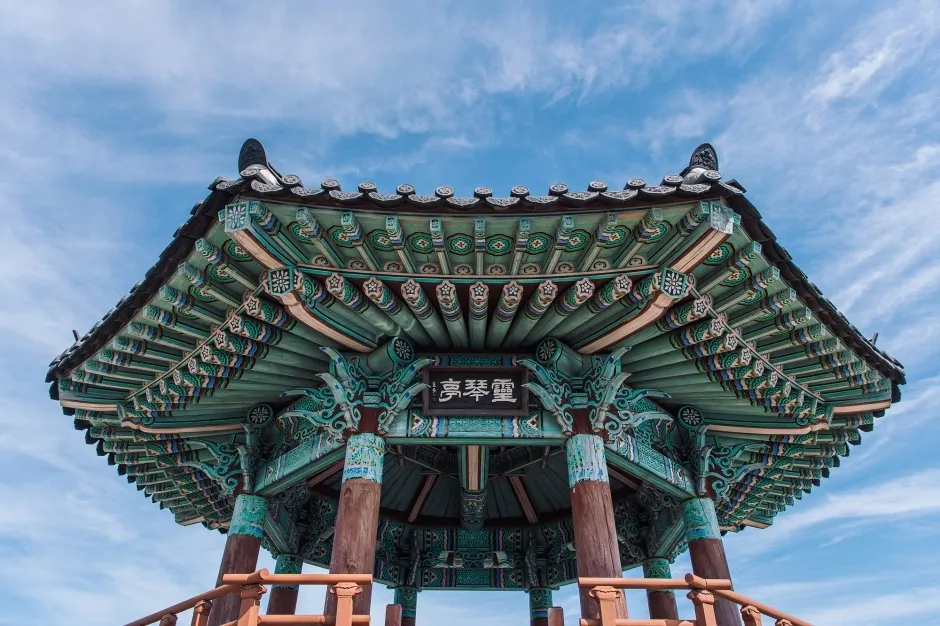
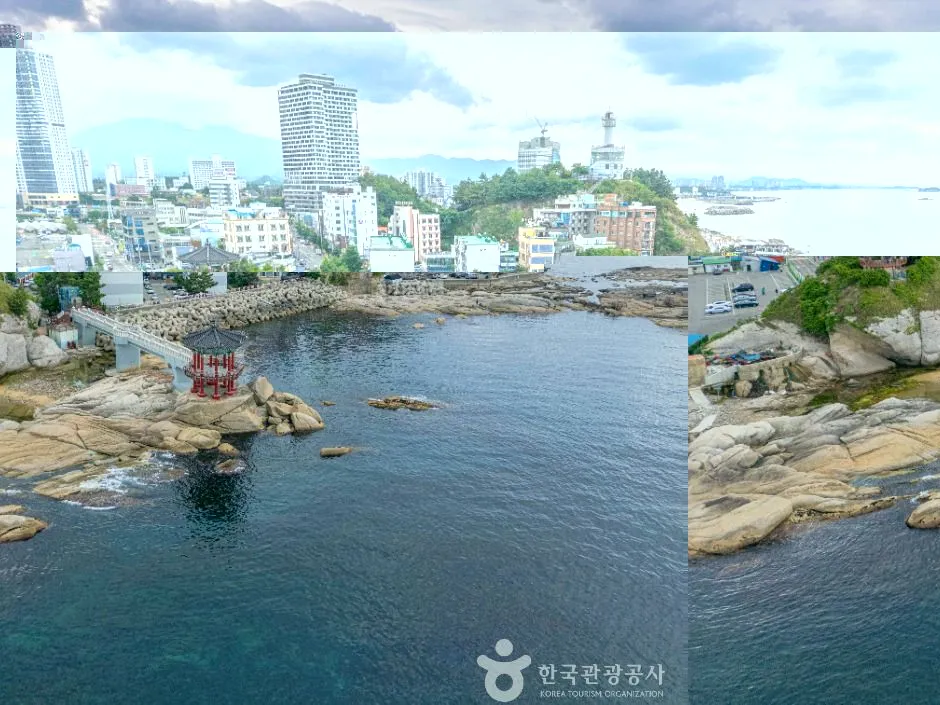
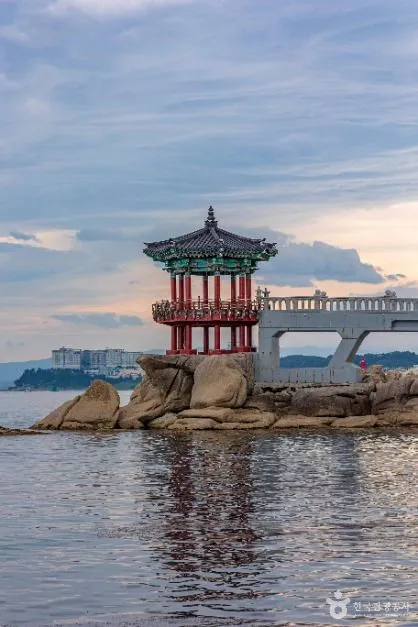
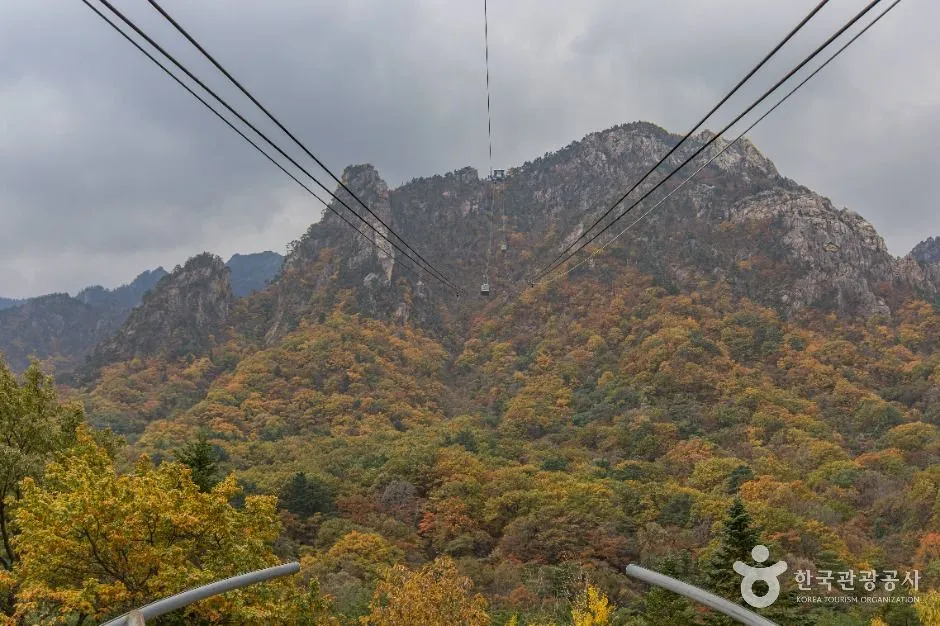
After watching the sunrise and grabbing breakfast, head over to the Seoraksan Cable Car. It departs from Sogongwon (Small Park) and climbs to Gwongeumseong at 700m elevation in about 10 minutes, with an open view of the East Sea and mountain ridgelines that’s simply outstanding.
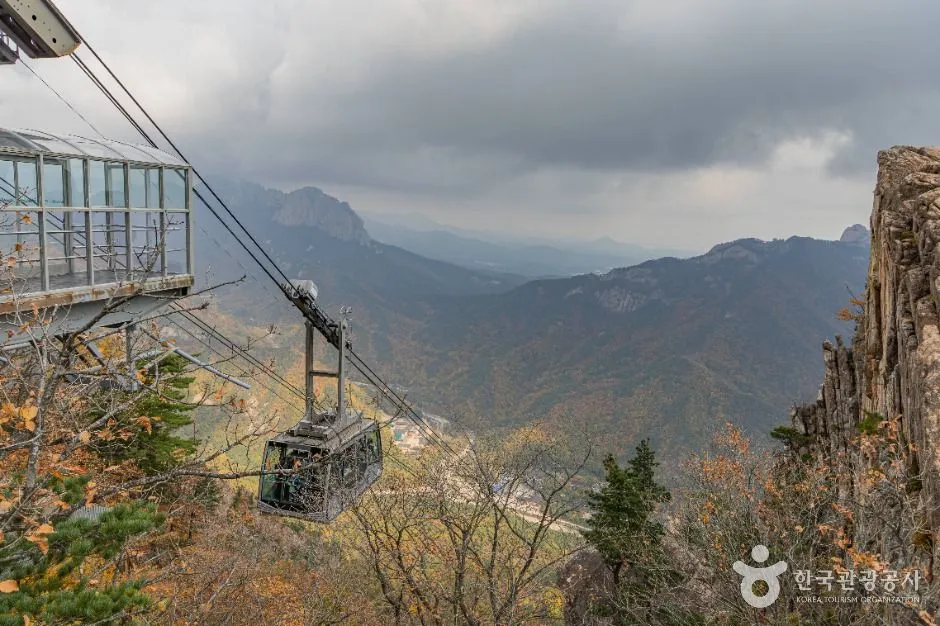
| Item | Details |
|---|---|
| Fare | Adult round-trip 13,000 KRW (no one-way tickets) |
| Hours | Weekdays & Sunday 08:00–17:30 / Saturday 08:30–17:30 |
| Duration | About 10 minutes to Gwongeumseong |
Tickets for the cable car are mainly sold on-site, and on clear days it can sell out after 10 AM. If you’re going on a weekend or during fall foliage season, plan to arrive early in the morning.
After exploring Seoraksan, head back into town for a late lunch, then catch the express bus home, and your 2-day, 1-night trip wraps up neatly. If you’d like to put together a similar car-free itinerary for other cities, Jeonju Hanok Village 2-Day, 1-Night Course or Gunsan Modern Streets & Seonyudo 2-Day, 1-Night Course are worth a look too.
Comparing Car-Free Courses — How to Put Them Together
Even with the same attractions, how you group your route changes how tiring the trip feels. When traveling car-free, the most efficient approach is to split your days between the walkable downtown area (market, gaetbae, Yeonggeumjeong) and one outlying spot (Seoraksan), one per day.
| Course Type | Recommended Route | Pros | Watch Out For |
|---|---|---|---|
| Downtown-Focused | Market → Gaetbae → Abai Village → Yeonggeumjeong | Getting around on foot and by gaetbae, lowest cost | Skips Seoraksan |
| Balanced (Recommended) | Day 1 downtown + Day 2 Seoraksan | Both sea and mountains | Need to move fast on Day 2 morning |
| Nature-Focused | Half-day Seoraksan + a short downtown visit | Satisfying hike and views | Cable car sellout risk |
The balanced course is the safest bet for a 2-day, 1-night trip. Getting around downtown costs next to nothing — 500 KRW for the gaetbae and free walking through the market — so budgeting is easy once you set aside just the Seoraksan cable car fare (13,000 KRW).
Frequently Asked Questions (FAQ)
If the gaetbae isn’t running due to weather, does that mean I can’t get to Abai Village?
Even if the gaetbae stops running because of the weather, Abai Village is still connected by road (via Seorak Bridge and Geumgang Bridge). If you’re going car-free, though, you’ll need to take a city bus or taxi around instead, which takes longer. Check whether the gaetbae is running before you set out, and switch to a bus route if it isn’t.
Can I go to the Seoraksan Cable Car without a reservation?
Since tickets are mainly sold on-site, you can ride without a reservation, but it can sell out by late morning on clear days. On weekends or during fall foliage season, we’d recommend arriving right at opening time (08:00 on weekdays).
When’s the best time to buy dakgangjeong at the market?
The market opens at 08:00, but the popular dakgangjeong stalls get long lines in the afternoon. If you buy it right before your bus home, it’ll go cold, so we’d recommend buying it partway through your downtown itinerary to eat right away, or bringing a cooler bag.
Roughly how much does transportation cost for 2 days, 1 night?
A round-trip express bus from Seoul runs roughly 30,000–50,000 KRW depending on class, while the gaetbae and city buses cost just a few thousand won per person. Add the 13,000 KRW Seoraksan cable car fare, and you’ve got a rough picture of your transportation costs (meals and lodging not included).
Sokcho is a city where you can fill your days with the sea, the mountains, and market food, one day each, all without a car. Just lock in your express bus times ahead of time — after that, 500 KRW for the gaetbae and your own two feet will get you everywhere else. Take a light weekend trip there.
References
- Sokcho Tourist & Fisheries Market - Korea Every Corner (Korea Tourism Organization)
- Seorak Cable Car Official Website - Visitor Guide
- Seoraksan Cable Car - Korea Every Corner (Korea Tourism Organization)
Image credits19
- 속초_속초관광수산시장 닭강정골목 (2) - 한국관광공사 (출처표시)
- 강원_속초_속초관광수산시장_내부_2.jpg - 한국관광공사 (출처표시)
- 강원_속초_속초관광수산시장_음식_2.jpg - 한국관광공사 (출처표시)
- 속초_속초관광수산시장 닭강정골목 (8) - 한국관광공사 (출처표시)
- 속초관광수산시장 (6) - 한국관광공사 (출처표시)
- 속초관광수산시장 (5) - 한국관광공사 (출처표시)
- 속초_속초관광수산시장 닭강정골목 (7) - 한국관광공사 (출처표시)
- 속초관광수산시장 (7) - 한국관광공사 (출처표시)
- 대표 이미지 - 한국관광공사 (출처표시)
- 속초_아바이마을 갯배 (5).jpg - 한국관광공사 (출처표시)
- 서울에서 강원도 속초 당일치기 여행 버스노선 뮤지엄엑스 아바이마을 맛집 수험생 할인_아바이마을_3-11 - 한국관광공사 (출처표시)
- 서울에서 강원도 속초 당일치기 여행 버스노선 뮤지엄엑스 아바이마을 맛집 수험생 할인_아바이마을_3-10 - 한국관광공사 (출처표시)
- 아바이마을 촬영:한국관광공사 김지호 / 한국관광공사 포토코리아 (공공누리 제1유형)
- 영금정_7 - 한국관광공사 (출처표시+변경금지)
- 영금정_4 - 한국관광공사 (출처표시+변경금지)
- 영금정 (5) - 한국관광공사 (출처표시)
- 영금정 (7) - 한국관광공사 (출처표시)
- 속초_설악산 케이블카 (5) - 한국관광공사 (출처표시)
- 속초_설악산 케이블카 (2) - 한국관광공사 (출처표시)