 EasyTicket
 Job hunting? If you make the most of the government support programs available, you could receive KRW 600,000–1,000,000 every month. From the National Employment Support System to Extended Training Benefits, the Long-Distance Job Search Allowance, and the Employment Success Incentive, here’s a side-by-side comparison of eligibility and amounts for 6 government job-seeker support programs, so you can quickly find the one that fits your situation.
Government Job-Seeker Support at a Glance
Here’s a table comparing all 6 programs first. We’ll break down the detailed eligibility and amounts in the sections below.
| Program | Summary | Amount | Key Eligibility |
|---|---|---|---|
| National Employment Support System Type I | Living costs + job support for low-income jobseekers | KRW 600,000–1,000,000/month × 6 months | 60% of median income or below |
| National Employment Support System Type II | Job-seeking activity costs for youth and vulnerable groups | Activity allowance, etc. | 100% of median income or below (no income requirement for youth) |
| Long-Distance Job Search Allowance | Transportation/lodging costs for travel of 25 km or more | Actual expenses | Referred by an employment center |
| Extended Training Benefits | Up to 2 years while on unemployment benefits + training | 100% of daily job-seeking benefit amount | Currently receiving job-seeking benefits |
| Job Seeker Employment Capability Program | Counseling, coaching, lectures | Free | All jobseekers |
| Employment Success Incentive | Incentive for credit recovery participants who find work | Up to KRW 500,000 | Credit recovery program participants |
Of the six, the National Employment Support System and Extended Training Benefits offer the largest amounts. Start by checking your income level and whether you’re currently receiving unemployment benefits.
National Employment Support System — Your Strongest Main Option
Run by the Ministry of Employment and Labor, the National Employment Support System provides jobseekers aged 15–69 with both job-search support services and living cost assistance. It’s split into Type I and Type II, with the amount you receive depending on your eligibility.
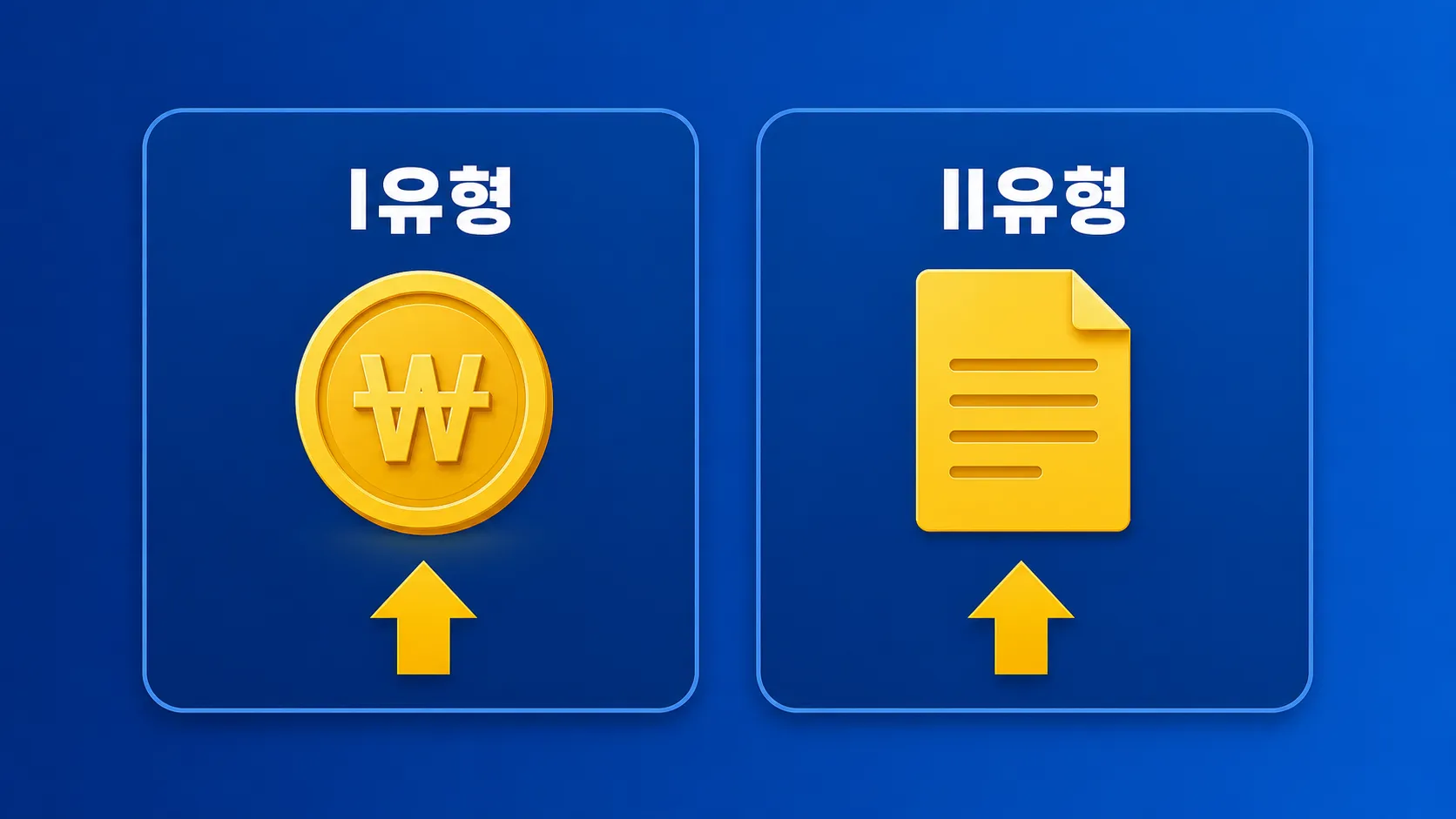
Type I — KRW 600,000–1,000,000/Month Job-Seeking Promotion Allowance
- Eligibility (requirement-review track): Ages 15–69, median income 60% or below, assets of KRW 400 million or less (500 million for youth), at least 100 days or 800 hours of work experience within the last 2 years
- Eligibility (selection track): For youth who don’t meet the work-experience requirement above (median income 120% or below, assets of KRW 500 million or less)
- Benefit: Job-Seeking Promotion Allowance of KRW 600,000/month, paid for 6 months (source: Ministry of Employment and Labor)
- Dependent supplement: An extra KRW 100,000/month per dependent, up to KRW 1,000,000/month total
- Requirement: Monthly reporting of job-seeking activities is mandatory
Type II — No Income Requirement for Youth, Job-Seeking Activity Costs Covered
- Eligibility: For those who don’t qualify for Type I, if household median income is 100% or below. Youth applicants have no income requirement
- Support: Participation allowance for setting up a job-seeking activity plan, and more
- Shared benefits: Access to vocational training, work experience programs, and welfare program referrals
You can apply anytime, either in person at the employment center with jurisdiction over your residence, or online via Employment24 (work24.go.kr).
For Unemployment Benefit Recipients Only — Extended Training Benefits and the Long-Distance Job Search Allowance
If you’re currently receiving unemployment benefits (job-seeking benefits), there are two more programs you can take advantage of.
Extended Training Benefits — Extend Job-Seeking Benefits for Up to 2 Years
If you’re deemed likely to find re-employment more easily by taking vocational skills development training, the head of the employment center can issue a training directive — and while the training lasts, you’ll receive 100% of your daily job-seeking benefit amount. The limit is up to 2 years.
4 conditions to qualify:
- Must be assessed as having a high chance of re-employment through vocational skills development training
- Have no national technical qualification, or hold one for a field where market demand has sharply declined
- Have not received vocational skills development training within the past year
- Have participated in 3 or more job referrals or in-depth counseling sessions at an employment center without finding work
To apply, submit an unemployment recognition application and a certificate of training enrollment to your local employment center on your unemployment recognition date.
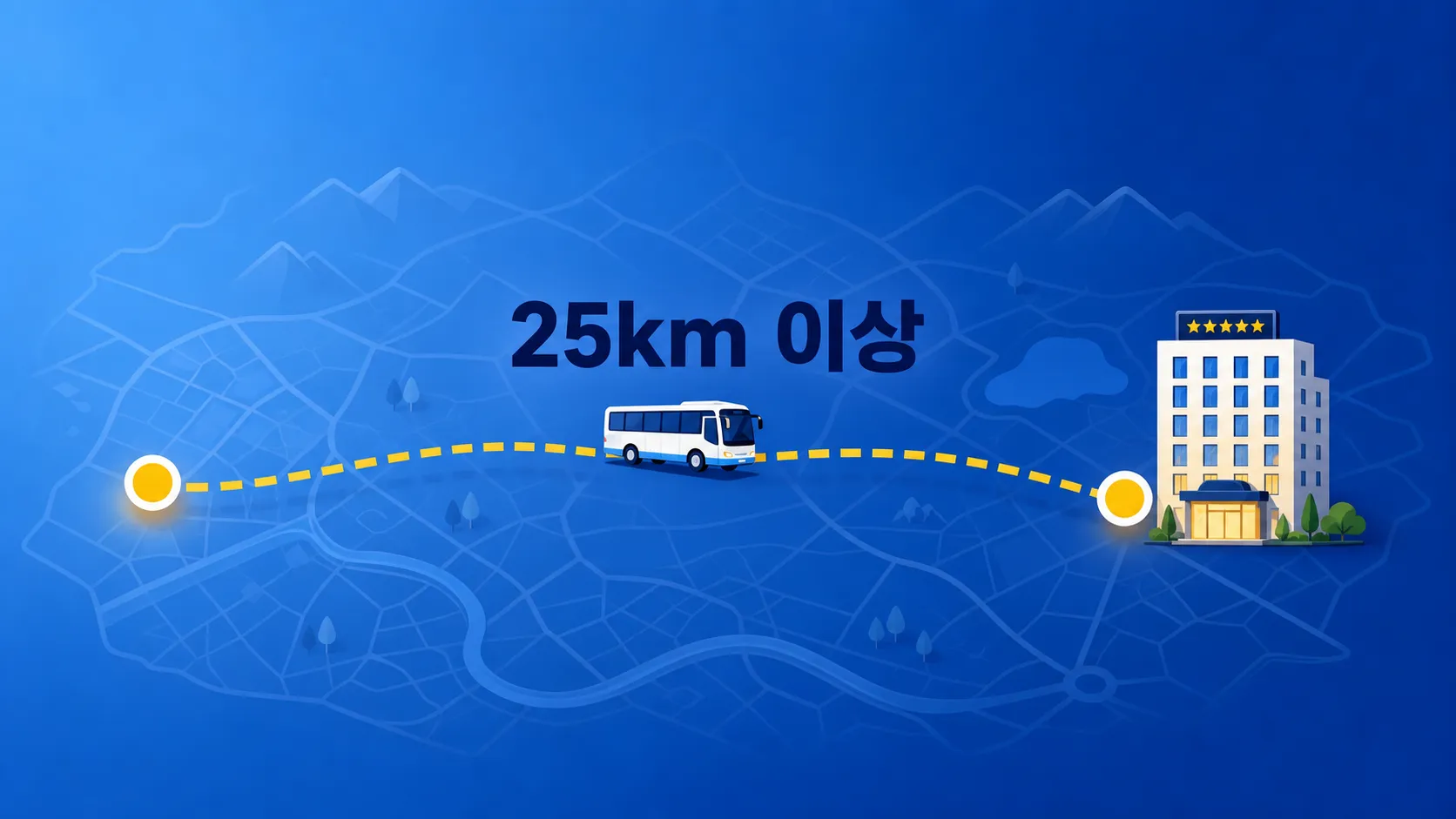
Long-Distance Job Search Allowance — Covers Actual Costs for Trips of 25 km or More
If an employment center refers you to a job-seeking activity (such as an interview) at a location 25 km or more from your residence, you can be reimbursed for your actual transportation and lodging costs.
| Item | Details |
|---|---|
| Eligibility | Referred by a job placement agency + travel of 25 km or more from your residence |
| Support | Actual transportation and lodging costs |
| Application deadline | Within 14 days of the end of the long-distance job-seeking activity |
| Documents to submit | Long-Distance Job Search Allowance claim form + proof of fare and lodging costs |
| Where to apply | Your local employment center (in person, by mail, or by fax) |
If you miss the 14-day deadline, you won’t be able to receive it. Right after your interview trip, be sure to keep your receipts and transit card usage history.
Free Programs to Help You Prepare for Employment
These won’t put cash in your pocket right away, but if you’re stuck on interviews, resumes, or your career direction, these free programs are a great place to start.
Job Seeker Employment Capability Enhancement Program
- Who it’s for: Jobseekers who are still deciding on a career direction, or who need a boost in job-seeking motivation or skills
- What’s included: Group counseling, employment lectures, job/task exploration
- Youth-specific: Tailored programs such as the Youth Career Guidance Program (CAP@)
- How to apply: Ask your employment center counselor about the schedule, then submit a participation application
Job Seeker Employment Support Service (1:1 Matching, Accompanied Interviews)
This is a comprehensive employment support service offered by employment centers. All of the following are free.
- 1:1 job matching: Job referrals tailored to your requirements
- Job Matching Day: 48 employment centers run a “Job Demand Day” at least twice a month, with on-site hiring interviews
- Accompanied interviews: A staff member visits the company together with jobseekers who find interviews stressful
- Group counseling: Small groups of around 12 people, focused over 3–5 days on boosting job-seeking motivation and skills
- Employment lectures: 2–3 hour lecture-style sessions
Some employment centers also run industry-specific online small-group consulting (remote), covering fields such as semiconductors and shipbuilding.
If You’re in Credit Recovery — Employment Success Incentive of Up to KRW 500,000
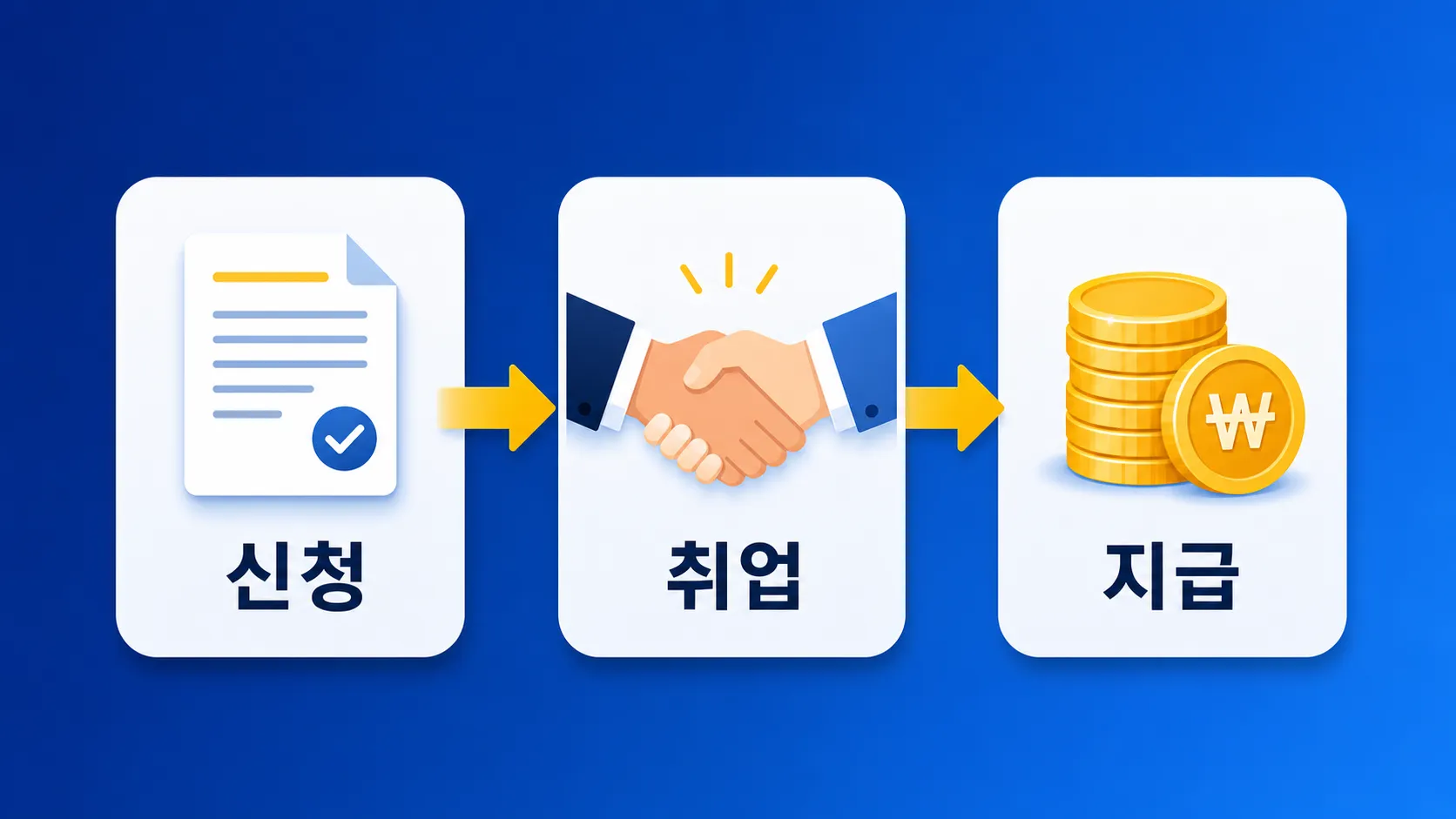
The Korea Inclusive Finance Agency (KINFA) pays an Employment Success Incentive of up to KRW 500,000 to credit recovery program participants — people with a debt restructuring agreement through KINFA, the Credit Counseling & Recovery Service (CCRS), or the Korea Asset Management Corporation (KAMCO) — when they find employment.
Who Qualifies
- Credit recovery program participants who found employment within 1 month through a job placement agency referral
- Credit recovery program participants who found employment on their own after completing a government employment support program
Timing and Amount
- Paid once, after 3 months have passed since your start date
- Up to KRW 500,000
- Must be applied for together with the employment subsidy (the Employment Success Incentive cannot be paid on its own; a worksite inspection is also conducted)
Application Process
- Submit an online job-seeking application with KINFA (kinfa.or.kr)
- Submit documents to your assigned job counselor in person, by fax, or by email (joconsultant@kinfa.or.kr)
- Complete any additional documentation → final submission is sent to KINFA headquarters
Required documents: Application form + copy of employment contract + certificate of employment + ID + 3 months of pay stubs (or deposit records) + copy of a bank passbook in your own name
For inquiries, call the Inclusive Finance Call Center at 1397.
How to Choose the Right Support Program for You
Six programs at once can get confusing. Just find the one-line description that matches your situation and start there.
- 💰 Low income and have work experience → National Employment Support System Type I (KRW 600,000–1,000,000/month)
- 🎯 Youth, regardless of income → National Employment Support System Type II
- 📋 Receiving unemployment benefits + want training → Extended Training Benefits (up to 2 years)
- 🔍 Traveled out of the area for an interview → Long-Distance Job Search Allowance (within 14 days)
- 💡 Stuck on interviews or resumes → Job Seeker Employment Capability Enhancement Program (free)
- ✅ In credit recovery + found a job → KINFA’s Employment Success Incentive
Checklist Before You Apply
- Check your household median income and asset thresholds (National Employment Support System)
- Check your days/hours of work experience over the last 2 years
- Keep your unemployment benefit eligibility certificate on hand (for Extended Training Benefits / Long-Distance Job Search Allowance)
- Keep interview transportation receipts and transit card usage records
- Sign up on Employment24 (work24.go.kr) and prepare your resume
- Check the location of the employment center for your residence
Frequently Asked Questions (FAQ)
Can I receive the National Employment Support System and unemployment benefits at the same time?
No, you can’t receive both at the same time. It’s common to apply for the National Employment Support System after your unemployment benefits end, or to go straight to the National Employment Support System from the start if you don’t qualify for unemployment benefits.
How do I receive the Job-Seeking Promotion Allowance?
Once you report your monthly job-seeking activities (submitting resumes, attending interviews, participating in vocational training, etc.) and they’re approved, payment is made the following month. The base amount is KRW 600,000 per month for 6 months, and if you have dependents, you can receive up to KRW 1,000,000.
How is the 25 km distance for the Long-Distance Job Search Allowance calculated?
It’s the distance from your residence to the location of the job-seeking activity, such as an interview. It only counts if the job was referred by an employment center — interviews you applied to on your own don’t qualify.
Is it difficult to qualify for Extended Training Benefits?
You need to meet all four conditions — likelihood of re-employment, no qualification (or one with declining demand), no training within the last year, and 3 or more job referrals without finding work. Since it only starts once the head of the employment center issues a training directive, check your chances during the counseling stage first.
Can I apply for everything online?
You can apply online for the National Employment Support System and the Job Seeker Employment Support Service through Employment24 (work24.go.kr). For the Long-Distance Job Search Allowance and Extended Training Benefits, an in-person visit to the employment center is typical, since you need to submit receipts and supporting documents.
Policy details and amounts are subject to change. Right before you apply, it’s safest to double-check the latest standards through Employment24 (work24.go.kr) or by calling 1350 (the Ministry of Employment and Labor Customer Service Center).