 EasyTicket
 You’ve probably heard that going back to work after retirement can shrink your old-age pension. Well, that’s about to change — the amended National Pension Act takes effect on June 17, 2026, and it significantly eases the standard for this reduction. If your monthly income is under 5.19 million won, your pension stays exactly as it is. Here’s a clear rundown of what’s changing and who benefits.
✅ What Changes Starting June 17?
Let’s start with the headline. Earned or business income below the A-value (the average monthly income of all National Pension subscribers) plus 2 million won is now completely exempt from the reduction. Converted to 2026 figures, that’s under 5.19 million won a month.
Previously, exceeding the A-value by even 1 won triggered a 5% reduction. After the amendment, you won’t lose a single won until you go over A-value + 2 million won.
- Effective date: June 17, 2026
- Who it applies to: Old-age pension recipients who are also earning income
- Brackets eliminated: Brackets 1 and 2 of the previous 5-bracket system (0–2 million won over the A-value)
- Who benefits: About 65% of everyone subject to the reduction — roughly 98,000 people (as of 2023) (Source: Ministry of Health and Welfare)
📊 Comparing the Old and New Reduction System
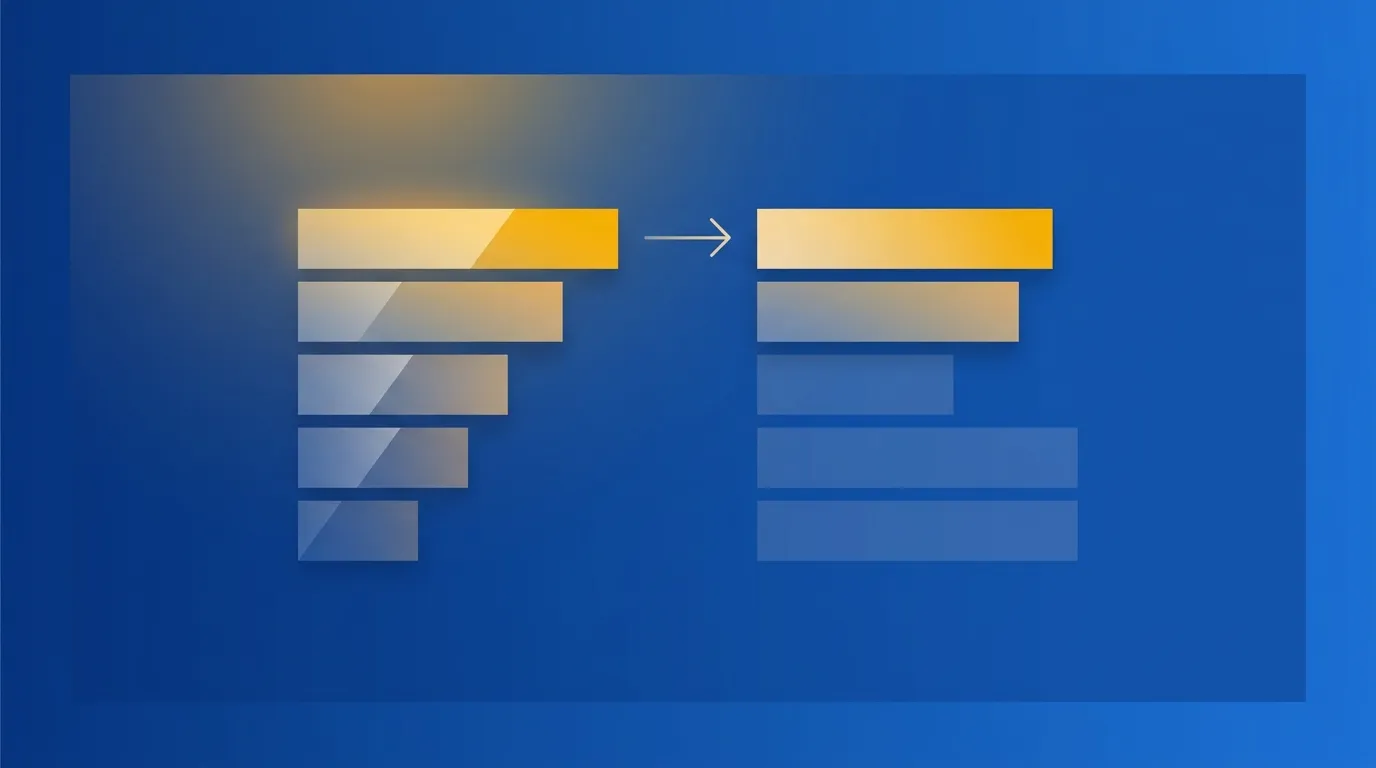
Under the old rules, any income exceeding the A-value was split into five 1-million-won brackets, with reductions ranging from 5% up to 25%. After the amendment, the two lowest brackets disappear entirely.
| Excess Income Bracket (Amount Over A-value) | Previous Reduction Rate | After the Amendment |
|---|---|---|
| Under 1 million won | 5% (up to 50,000 won) | No reduction |
| 1–2 million won | 10% (up to 150,000 won) | No reduction |
| 2–3 million won | 15% | Unchanged |
| 3–4 million won | 20% | Unchanged |
| 4 million won or more | 25% | Unchanged |
📌 Anyone who used to fall into brackets 1 or 2 now receives 100% of their old-age pension. Even those in bracket 3 or higher benefit, since the first 2 million won of excess income is no longer counted — effectively increasing their take-home pension.
💡 How Is the 5.19 Million Won Threshold Calculated?
The A-value that this threshold is based on changes every year. It’s defined as “the average monthly income of all National Pension subscribers over the three years immediately before benefits begin,” and it was 3.09 million won in 2025. Since it rises slightly each year, the 2026 A-value plus 2 million won is expected to come to roughly 5.19 million won.
- A-value (2025) + 2 million won = 5.09 million won → the threshold if applied in 2025
- A-value (2026) + 2 million won = approx. 5.19 million won → applies from June 17, 2026 onward
The National Pension Service announces the new A-value around April each year. To check exactly where you stand, compare that year’s A-value with your own earned or business income.
Only earned income and business income count toward this calculation. Interest, dividends, and rental income are not included. In other words, even substantial rental income or savings interest won’t reduce your old-age pension.
🎯 Who Benefits?
These are the people who stand to gain the most from this National Pension amendment:
- People in their 60s who returned to work after retirement age, whether rehired or on new contracts
- Old-age pension recipients who cut back on their main job and switched to part-time or freelance work
- Retirees who continue earning income as self-employed individuals or sole proprietors
- Anyone who hesitated to work more out of fear that “even a little extra income” would shrink their pension
Under the old system, earning just a bit more than the A-value while receiving your old-age pension meant losing around 50,000 won a month — a real psychological burden. Now, as long as you stay within A-value + 2 million won, you can work more and still get your full pension.
📋 Getting Ready to Return to Work After Retirement
Now that you know what’s changing, it’s time to check how it applies to your own situation.
- Check your monthly old-age pension amount (via the “My Pension” website or app)
- Roughly estimate your expected salary or business income from your new job
- Compare it against the A-value + 2 million won threshold
- If you’re over the threshold, check which bracket (3, 4, or 5) you fall into
- Check whether your National Health Insurance dependent status might change
- Keep records ready in case you need to file a comprehensive income tax return
Even if your old-age pension reduction disappears, health insurance premiums and comprehensive income tax are assessed separately. When figuring out your real take-home amount, factor in taxes and premiums too.
⚠️ Things to Watch Out For (Easy to Miss)
This is good news, but there are a few points you shouldn’t misread.
- The reduction system itself hasn’t been abolished. Go over A-value + 2 million won, and you’ll still lose 15–25%.
- The obligation to report earned income while receiving your old-age pension hasn’t changed. If you earn income, you still have to report it to the National Pension Service.
- Early old-age pension recipients are subject to separate adjustment rules on top of the reduction. It’s safest to consult the National Pension Service about your specific case.
- Income earned before the amendment takes effect is still assessed under the old reduction standard. The new standard only applies to income earned from June 17, 2026 onward.
🔍 Frequently Asked Questions (FAQ)
Q. Can I get back the amount that was deducted before June 17?
The new standard applies to income earned after the effective date. Whether previously deducted amounts will be refunded may be addressed in separate guidance from the National Pension Service, so check for updates.
Q. Does high rental income reduce my old-age pension?
No. Only earned income and business income are counted for the reduction. Rental income, interest, and dividends aren’t included.
Q. Is the reduction cap (maximum 25%) still the same?
Yes. The reduction rates for brackets 3, 4, and 5 (15%, 20%, and 25%) and the rule capping the reduction at “a maximum of 50% of the basic pension amount” remain unchanged. This amendment only eliminates the two lowest brackets.
Q. What happens after age 65?
The earned-income-based reduction of the old-age pension only applies for 5 years after your pension payments begin. Once those 5 years have passed, your old-age pension won’t be reduced no matter how much you earn.
Q. Do I need to apply separately?
There’s no separate application process. As long as you report your income normally, the National Pension Service applies the new standard automatically.
This National Pension amendment reflects a broader goal: not discouraging working seniors from staying active in the workforce. Rather than relying on a single source of retirement income, retirees now have more room to combine an old-age pension with earned or business income. Compare your own income against the A-value threshold, and you’ll have a good sense of how your monthly take-home amount will change after June 17.